Dayana Yastremska’s Odesa flat hit by Russian missile, only Roland Garros towel survives – what it means for her 2026 season
Background: A rising Ukrainian star in a war‑torn nation
Dayana Yastremska burst onto the WTA Tour in 2018, quickly becoming one of Ukraine’s most promising tennis talents. By 2026 she has claimed several titles, broken into the top‑20 rankings and earned a reputation for a powerful baseline game that translates well on hard courts and clay alike. Her success has made her a frequent face on sports channels across Europe and a source of pride for a country that has been under siege since Russia’s full‑scale invasion in February 2022.
The war has forced many Ukrainian athletes to relocate, train abroad, or compete under the banner of a neutral flag. Yet Yastremska chose to stay in her hometown of Odesa, a bustling Black Sea port that has endured repeated shelling and missile attacks. Her decision was driven by a desire to keep her roots visible and to inspire fellow Ukrainians who are coping with daily danger while trying to maintain a sense of normalcy.
The missile strike: What happened on the night of the attack
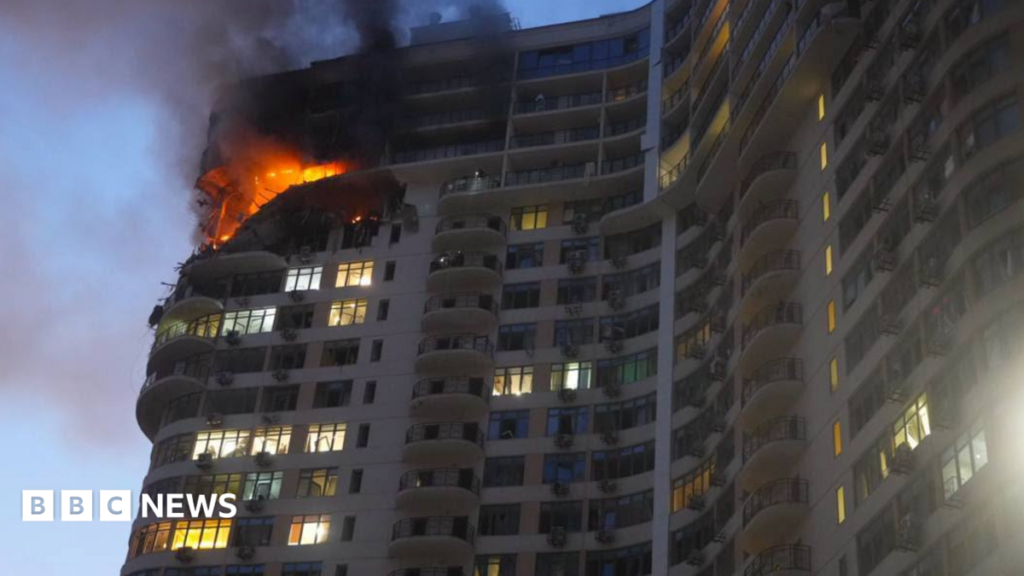
On the evening of 12 September 2026, a Russian Kh‑59 cruise missile reportedly struck a residential block in Odesa’s central district, according to local authorities. Yastremska’s flat, located on the fourth floor of the building, was among the units that sustained direct impact. She posted a video on social media showing the shattered façade, smoke curling from the wreckage and a lone, red‑striped towel draped over a broken window frame.
In a brief statement, the Ukrainian tennis player said the missile hit her flat “directly” and that she was lucky to escape with only minor injuries. She added that the only thing that survived the blast was the towel she uses at the French Open, a symbol that has now taken on a deeper, almost defiant meaning. Emergency services confirmed that the building suffered extensive structural damage, and several neighbours were evacuated for safety.
The Roland Garros towel: From court accessory to wartime emblem
Yastremska’s towel is not just a piece of cloth; it is the same red‑and‑white strip she carries onto Centre Court each year. The towel, emblazoned with the tournament’s iconic logo, has become a personal talisman for the Ukrainian player, representing both her ambition to compete at the sport’s highest level and her connection to the global tennis community.
When she posted the image of the lone towel fluttering amid the wreckage, fans worldwide responded with an outpouring of support. The hashtag #TowelForYastremska trended across several platforms, prompting fellow athletes, sponsors, and even French tennis officials to send messages of solidarity. For many observers, the towel now stands as a visual reminder that sport can survive, and even thrive, in the face of armed conflict.
Wider impact: How the strike reverberates through sport and society
The attack underscores a growing pattern of civilian infrastructure being caught in the cross‑fire of the Russia‑Ukraine war. While the missile was not aimed at a sports venue, the fact that a top‑ranked athlete’s home was destroyed highlights how the conflict permeates every facet of Ukrainian life, including the world of elite sport. Analysts note that such incidents can have a chilling effect on athletes’ mental health, training routines and travel plans, especially as the WTA calendar heads into the European clay‑court swing.
For African and diaspora athletes, Yastremska’s ordeal resonates deeply. Players from nations that have experienced civil unrest—such as Kenya’s doubles specialists or South Africa’s rising juniors—often cite Yastremska’s resilience as a source of inspiration. Moreover, the incident raises questions about the safety of hosting international tournaments in regions adjacent to conflict zones, a concern that could affect future events in North Africa or the Middle East where security guarantees are increasingly scrutinised.
From a commercial perspective, sponsors are forced to weigh the optics of backing athletes whose personal safety is compromised. Brands that have historically invested in Ukrainian talent, like sportswear giant Asics and tech partner Rakuten, are now navigating a delicate balance between supporting the player’s recovery and managing reputational risk in markets that are sensitive to the war’s political dimensions.
What comes next: Recovery, the upcoming French Open and the broader fight for Ukrainian sport
Yastremska has indicated that she will travel to Paris for the French Open, planning to compete in the second week of the tournament. Her team is reportedly arranging temporary accommodation in the city and securing a training base that can accommodate her recovery needs. While the physical damage to her home is extensive, medical reports suggest she suffered no serious injuries, allowing her to focus on getting back on court.
Beyond her personal comeback, the incident has spurred Ukrainian sports officials to call for greater international protection for athletes. The National Olympic Committee of Ukraine is lobbying the International Olympic Committee and the WTA to establish a “safe‑zone” protocol for players residing in conflict‑affected areas, a move that could set a precedent for future crises. If adopted, such measures would grant athletes access to emergency housing, medical care and psychological support, regardless of where they live.
The symbolic power of the surviving towel may also shape Yastremska’s narrative for the rest of 2026. Should she perform well in Paris, the story could evolve into a rallying cry for all athletes confronting adversity, echoing the way African footballers have used their platforms to highlight social issues back home. In that sense, the towel is poised to become a global icon of perseverance, transcending borders and reminding the world that sport endures even when war threatens to tear it apart.
Quick Answers
What happened to Dayana Yastremska's flat in Odesa?
A Russian missile struck her residential building on 12 September 2026, leaving the structure badly damaged and only her Roland Garros towel intact.
Will the missile strike affect Yastremska's participation in the French Open?
She plans to compete in Paris, but she will need temporary housing and a training base to recover from the disruption caused by the attack.
Why does Yastremska's surviving towel matter?
The towel, a symbol of her presence at Roland Garros, has become a visual emblem of resilience, drawing global support and highlighting how the war reaches even elite athletes.
Source: www.bbc.co.uk



💬 Comments 0