Disney-owned ABC sues FCC over 2026 broadcast license renewal, citing First Amendment breach
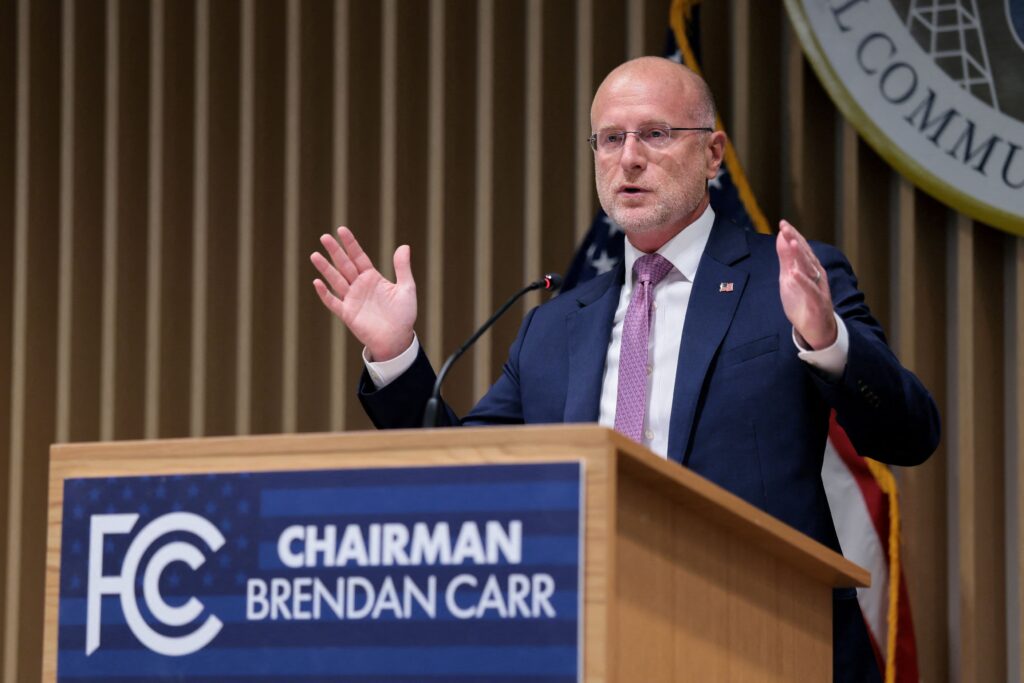
Background: FCC licensing and ABC’s growing clash with regulators
The Federal Communications Commission (FCC) controls the airwaves that broadcast television and radio in the United States. Every broadcast station must periodically renew its license, and the FCC can attach conditions or even deny renewal if it believes a station has violated its public‑interest obligations. In recent years, the agency has intensified scrutiny of large media conglomerates, especially after the 2020 election cycle, when several networks were accused of partisan bias.
ABC, owned by Disney, has been a frequent target of FCC inquiries because of its high‑profile political coverage and its willingness to air shows that challenge the status quo. In 2025 the commission opened an investigation into ABC’s compliance with the Equal Employment Opportunity (EEO) reporting rules and its handling of political advertising. ABC’s management argued that the probe was sparked not by regulatory breaches but by the network’s decision to air investigative pieces that were critical of the administration.
The lawsuit: ABC’s First Amendment claim and the legal strategy
In July 2026 ABC filed a complaint in the U.S. District Court for the District of Columbia, alleging that the FCC’s investigation and the pending renewal of its broadcast licenses constitute a "retaliatory campaign" aimed at silencing the network’s editorial choices. The complaint invokes the First Amendment, arguing that the government cannot punish a broadcaster for the content it chooses to air, even if that content is politically sensitive.
ABC’s lawyers point to a 2021 FCC decision that upheld the agency’s authority to enforce technical standards, but they say that standard does not extend to punishing speech. The suit seeks a preliminary injunction that would halt any adverse action on the license renewal until a court can determine whether the FCC’s actions breach constitutional protections. If successful, the case could set a precedent that limits the commission’s leverage over content‑heavy broadcasters.
Why it matters for U.S. media freedom and regulatory precedent
The outcome of this case could reshape the balance of power between the FCC and major broadcasters. A ruling in ABC’s favor would reinforce the principle that content decisions are protected speech, curbing the agency’s ability to use licensing as a pressure tool. Conversely, a decision that upholds the FCC’s investigative authority could embolden regulators to pursue more aggressive oversight of newsrooms deemed hostile to the government.
Media analysts note that the lawsuit arrives at a moment when the United States is grappling with a broader debate over “media accountability” versus “press freedom.” Recent congressional hearings have called for stricter oversight of misinformation, while civil‑liberties groups warn that such oversight could become a veil for political retaliation. ABC’s case is therefore a litmus test for how that tension will be resolved in the courts.
Ripple effects for African broadcasters and the diaspora audience
African media markets watch U.S. regulatory battles closely because many of their own licensing frameworks were modeled on the FCC’s structure. If the court limits the FCC’s ability to penalise broadcasters for their editorial line, it could inspire similar legal challenges in countries like Nigeria, Kenya and South Africa, where governments have occasionally used licensing renewals to curb dissenting voices.
The diaspora community also stands to feel the impact. ABC’s news programming is widely streamed on platforms such as Disney+ and local African satellite providers, serving as a primary source of U.S. political news for African‑born audiences abroad. A chilling effect on ABC’s willingness to air hard‑hitting investigative pieces could reduce the diversity of perspectives available to those viewers, narrowing the informational ecosystem that connects the continent to global debates.
Industry reactions and what could happen next
Major broadcasters, including CBS and NBC, have issued statements supporting ABC’s claim that the FCC should not weaponise licensing for political ends. The National Association of Broadcasters (NAB) filed an amicus brief urging the court to reaffirm First Amendment protections for all over‑the‑air stations. Meanwhile, some Republican lawmakers have praised the FCC’s scrutiny, suggesting that the agency is merely enforcing compliance with longstanding rules.
The court is expected to schedule a hearing on the preliminary injunction by early 2027. If the judge grants ABC’s request, the FCC would be forced to pause any adverse action on the network’s renewal, potentially prompting the commission to revisit its investigative approach. A denial, however, could push ABC toward a prolonged legal battle that might culminate in a Supreme Court review, turning a domestic licensing dispute into a landmark constitutional case.
Quick Answers
What is ABC accusing the FCC of in its lawsuit?
ABC alleges the FCC is retaliating against the network's programming by investigating it and threatening its broadcast license renewal, violating the First Amendment.
How could this case affect African media regulators?
A ruling that limits the FCC's power to punish broadcasters for content could encourage African regulators to adopt similar safeguards against using licensing as a political weapon.
When is the court expected to hear ABC's request for an injunction?
The preliminary injunction hearing is slated for early 2027, according to the filing schedule.
Source: www.cnbc.com




💬 Comments 0