Ebola in Kenya 2026: Nine Confirmed Cases, US Travel Advisory & What Comes Next
Background: Ebola’s recent footprint in East Africa
Ebola Virus Disease (EVD) has resurfaced in East Africa several times over the past decade, most notably the 2018‑2020 outbreak that swept through the Democratic Republic of Congo and spilled into Uganda. While Kenya has never recorded a large‑scale epidemic, its proximity to affected neighbours and porous borders have kept health officials on high alert. The World Health Organization (WHO) classifies the current strain as a variant of the Sudan‑type virus, which historically carries a higher case‑fatality rate than the West African strain that dominated the 2014 crisis.
Kenya’s public‑health infrastructure has been bolstered since the 2014 West African outbreak, with the establishment of the Kenya Medical Research Institute (KEMRI) Ebola Treatment Centres and a national rapid‑response team. Nonetheless, the country’s dense urban centres—Nairobi, Mombasa, and Kisumu—present unique challenges for containment, especially when informal settlements lack basic sanitation and health‑care access.
What happened: Nine cases confirmed and the government’s response
On 12 October 2026, the Ministry of Health announced that nine individuals had tested positive for Ebola, all linked to a single index case that returned from a business trip in Uganda. The patients, ranging in age from 22 to 58, were admitted to the newly built isolation unit at Kenyatta National Hospital. Contact tracing teams have identified 112 close contacts, of whom 48 have already begun a 21‑day monitoring period under the national protocol.
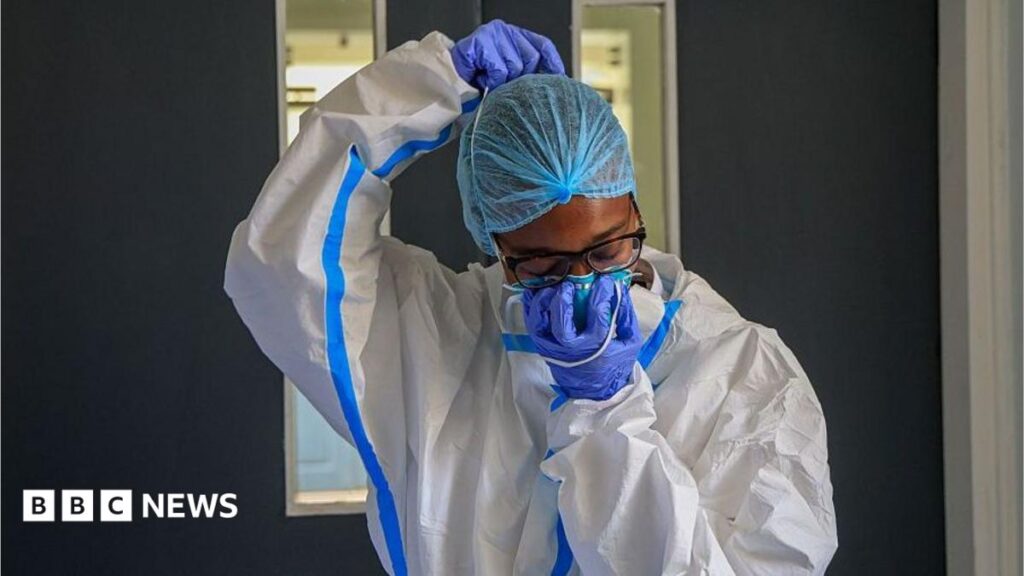
The Kenyan government swiftly deployed over 200 health‑care workers, equipped the isolation unit with personal protective equipment (PPE) supplied by the United Nations, and activated the Emergency Operations Centre (EOC). Simultaneously, the Ministry of Tourism issued a statement urging travelers not to panic, while the Ministry of Health launched a public‑information campaign on radio, TV, and social media, emphasizing that Ebola spreads through direct contact with bodily fluids, not through casual interaction.
Why it matters: Health, economy, and the diaspora
Beyond the immediate health threat, the outbreak threatens Kenya’s fragile tourism sector, which contributed roughly $1.9 billion to GDP in 2025. A US travel advisory—issued on 14 October—recommends citizens reconsider non‑essential travel to Kenya, a move that could deter high‑spending tourists from Europe and North America. The advisory also echoes concerns from airlines that may suspend flights to Nairobi’s Jomo Kenyatta International Airport if the situation escalates.
For the Kenyan diaspora, especially the 2.5 million Kenyans living in the United States, the outbreak raises personal safety concerns and may affect remittance flows. Remittances account for about 25 % of Kenya’s foreign exchange earnings; any slowdown in migrant earnings could ripple through rural economies that depend on this cash. Moreover, diaspora health professionals are being called upon to volunteer in the response, echoing the volunteer surge seen during the 2014‑15 Ebola crisis in West Africa.
Reactions: From Washington to Nairobi’s streets
The United States Department of State’s advisory has sparked debate within Kenya’s political circles. Opposition leader Raila Odinga labelled the warning “an overreaction that will hurt our image,” while the ruling party’s health spokesperson Dr. Mercy Kinyua defended the decision as “precautionary, not punitive.” Civil‑society groups such as the Kenya Human Rights Commission have urged the government to protect vulnerable communities from stigma, noting that fear‑driven discrimination can undermine contact‑tracing efforts.
On the ground, residents of the affected neighbourhoods have reported mixed feelings. Some express confidence in the government’s swift isolation of patients, recalling the successful containment of a Lassa fever cluster in 2023. Others remain wary, recalling rumors from past outbreaks that health workers sometimes failed to follow safety protocols. Local NGOs have begun distributing educational leaflets in Swahili and local dialects to counter misinformation.
What’s next: Vaccination, regional coordination, and market implications
The Ministry of Health has secured 10,000 doses of the experimental rVSV‑Sudan vaccine from the WHO’s Emergency Use Listing program, enough to immunise frontline workers and close contacts. The first vaccination round is slated for 20 October, with priority given to health‑care staff at Kenyatta and Moi Hospitals. Experts warn that the limited supply means Kenya must coordinate with neighboring Uganda and Tanzania to ensure equitable distribution across the region.
Economically, analysts at Standard Bank predict a short‑term dip of 0.4 percentage points in Kenya’s GDP growth for Q4 2026 if travel restrictions tighten. However, they also note that the swift containment could preserve investor confidence in the long run. For African tech startups, the crisis has sparked interest in digital health solutions—apps that automate symptom reporting and contact tracing are already being piloted in Nairobi’s informal settlements.
Broader pattern: Africa’s growing capacity to manage Ebola
Kenya’s response reflects a larger trend across the continent: the gradual shift from reactive panic to proactive preparedness. Since the 2014 West African epidemic, the African Union’s Africa Centres for Disease Control (Africa CDC) has built a continent‑wide network of laboratories, stockpiled PPE, and instituted joint training programmes for rapid‑response teams. Kenya’s ability to mobilise resources within days contrasts sharply with the delayed reactions seen in earlier outbreaks, suggesting that the continent’s health security architecture is finally bearing fruit.
Nevertheless, gaps remain. Vaccine production still relies heavily on external manufacturers, and supply chains can be disrupted by geopolitical tensions. The current outbreak underscores the need for a home‑grown African vaccine platform, a goal championed by the African Vaccine Manufacturing Initiative (AVMI). If Kenya and its neighbours can secure a reliable vaccine pipeline, future Ebola scares could be contained before they ever reach the headlines.
Quick Answers
How many Ebola cases have been confirmed in Kenya as of October 2026?
Nine cases have been confirmed, all linked to a single index case returning from Uganda.
What does the US travel advisory mean for people planning to visit Kenya?
The advisory advises U.S. citizens to reconsider non‑essential travel to Kenya, but it does not ban travel outright.
Is there an Ebola vaccine available for Kenya’s health workers?
Yes, Kenya has obtained 10,000 doses of the experimental rVSV‑Sudan vaccine, with roll‑out beginning in late October.
Source: www.bbc.co.uk



💬 Comments 0