Ebola outbreak DR Congo 2026: 5,000+ dead, 10,000 infected – regional impact
The scale of the crisis
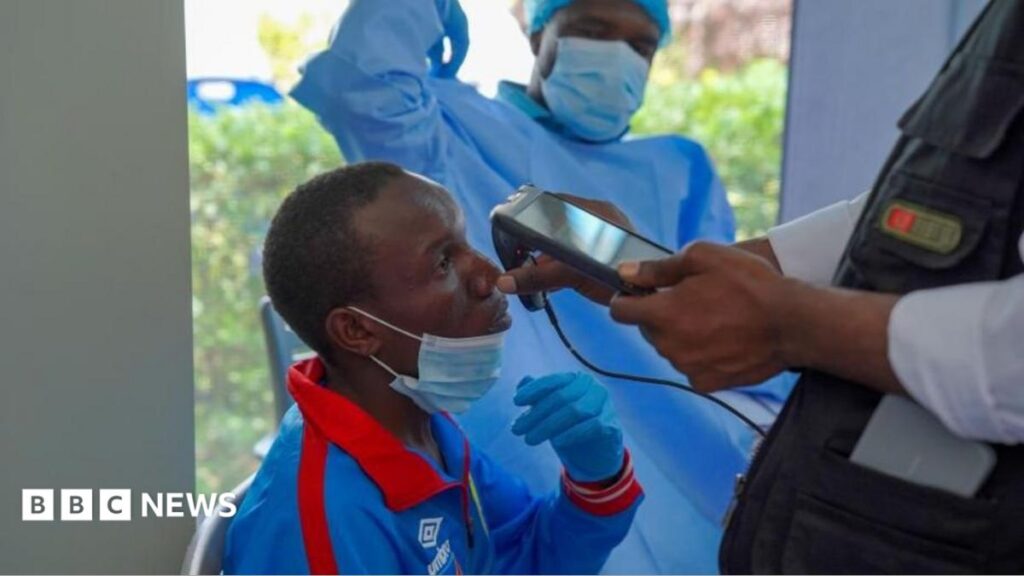
Official figures released by the Congolese Ministry of Health in early October confirm that more than 5,000 people have died from the latest Ebola virus disease (EVD) wave, while over 10,000 cases have been recorded. The numbers dwarf the 2018‑2020 outbreak in the same provinces, which peaked at roughly 2,300 infections. The current surge has spread across North Kivu, Ituri and the newly affected provinces of Haut-Uélé and Tanganyika, stretching health‑care capacities to the brink.
The World Health Organization (WHO) has declared the situation a Public Health Emergency of International Concern (PHEIC) for the second time in the DRC’s history. In its latest situation report, WHO warned that the case‑fatality ratio now sits at about 48 %, a grim rise that reflects delayed detection, limited contact‑tracing and ongoing insecurity that hampers rapid response teams. The virus’s genetic sequencing shows it belongs to the Makona‑like strain that emerged in West Africa in 2014, but with mutations that may increase transmissibility, according to a virology brief from the Institut Pasteur.
Beyond the raw numbers, the outbreak is reshaping daily life for millions. Schools in affected districts have been closed for weeks, markets operate at half‑capacity, and cross‑border traffic with Uganda and Rwanda has been heavily restricted. The economic toll is already evident in the informal sector, where traders report a 30 % drop in earnings compared with the same period last year.
Why this outbreak is different
Unlike earlier waves, the 2026 episode is unfolding amid a fragile political transition. President Félix Tshisekedi’s administration, which took office in early 2024, is still consolidating authority over the eastern provinces, where armed groups maintain de facto control over large swathes of territory. This fragmentation has forced WHO and partners to negotiate access with multiple militia leaders, a process that can take days or weeks and inevitably delays the deployment of vaccination teams.
The outbreak also coincides with a severe drought that has pushed thousands of families into food insecurity. Malnutrition weakens immune systems, making communities more vulnerable to infection and complicating clinical management of Ebola patients. Health‑care workers, many of whom are already overstretched by cholera and COVID‑19, are facing burnout and a shortage of personal protective equipment, reports from Médecins Sans Frontières (MSF) indicate.
A notable development is the accelerated use of the rVSV‑ZEBOV vaccine, which was first rolled out in the 2018‑2020 crisis. The current campaign, led by the DRC’s national immunisation programme, aims to vaccinate 300,000 contacts and contacts‑of‑contacts, but logistical bottlenecks—such as cold‑chain failures in remote villages—have slowed progress. According to UNICEF, only 45 % of the target population has received at least one dose so far.
Regional ripple effects
The outbreak’s proximity to the borders of Uganda, Rwanda, and South Sudan has triggered a wave of precautionary measures across the Great Lakes region. Uganda, which successfully contained a separate Ebola flare‑up in 2022, has re‑imposed mandatory temperature checks at all land crossings and issued travel advisories that discourage non‑essential movement into the DRC. Rwanda’s Ministry of Health has activated its national emergency operation centre, preparing isolation facilities in the border town of Goma should cases be imported.
Trade routes that link the DRC’s mineral‑rich interior to the ports of Dar es Salaam and Durban have been disrupted, raising concerns for African exporters of cobalt, coltan and copper. Analysts at the African Development Bank warn that a prolonged slowdown could shave off as much as $2 billion from the region’s GDP in 2027, especially if mining companies are forced to suspend operations to protect staff.
Diaspora communities in Europe and North America are also feeling the impact. Remittance flows to the DRC, which accounted for roughly 12 % of household income in the affected provinces last year, have dipped by an estimated 8 % according to data from the World Bank’s migration and development brief. Families dependent on these funds are now facing a double shock of health crises and reduced financial support.
Humanitarian response and gaps
International aid has poured in, but coordination remains a challenge. The United Nations Office for the Coordination of Humanitarian Affairs (OCHA) has earmarked $200 million for emergency health services, food assistance and psychosocial support. However, only about half of that amount has been disbursed, according to a recent OCHA financial summary, because donors are waiting for clearer security guarantees before releasing the remainder.
Local NGOs, such as the Congolese Red Cross and the community‑based group Santé Ensemble, are filling critical gaps by conducting door‑to‑door sensitisation campaigns. These groups report that misinformation—spreading through WhatsApp and local radio—still fuels fear of vaccination, with some residents believing that the vaccine is a covert population‑control tool. To counter this, the Ministry of Health has enlisted popular musicians and footballers to broadcast public‑service messages in Lingala, Swahili and French.
Despite these efforts, gaps persist in mental‑health services. A joint assessment by WHO and the International Committee of the Red Cross (ICRC) highlighted that only 12 % of Ebola survivors have access to post‑recovery counselling, even though up to 70 % experience lasting psychological trauma. The shortage of trained counsellors is especially acute in remote health zones where the disease first took hold.
What comes next for the DRC and Africa
Looking ahead, experts say the outbreak will not subside until a comprehensive “ring‑vaccination” strategy is fully operational and security conditions improve. The WHO’s Emergency Committee has urged the DRC government to negotiate humanitarian corridors with armed groups, a step that could unlock faster vaccine delivery and more reliable contact‑tracing. If successful, the epidemic could be contained within the next six months, according to a modelling study by the London School of Hygiene & Tropical Medicine.
For Africa at large, the crisis underscores the continent’s need for stronger regional health‑security mechanisms. The African Centres for Disease Control (Africa CDC) is drafting a new protocol that would allow rapid deployment of mobile labs and shared vaccine stockpiles across member states, a lesson learned from the fragmented response to the 2024 Lassa fever surge in West Africa. Implementation of such a framework could reduce response times by up to 40 % in future emergencies.
Finally, the economic fallout may accelerate diversification efforts in the DRC’s eastern provinces. Investors are increasingly looking at renewable‑energy projects and agricultural value chains as alternatives to mining, a shift that could create jobs and reduce the region’s vulnerability to health shocks. If the international community backs these initiatives with targeted financing, the legacy of the 2026 Ebola outbreak could be a more resilient, diversified economy rather than a prolonged humanitarian disaster.
Quick Answers
How many people have died in the 2026 Ebola outbreak in the DRC?
More than 5,000 deaths have been confirmed by the Congolese Ministry of Health as of October 2026.
What countries are affected by the DRC Ebola outbreak?
Neighbouring Uganda, Rwanda and South Sudan have tightened border controls, and the crisis is also impacting regional trade and diaspora remittances.
When is the Ebola outbreak expected to be under control?
Health experts estimate containment could be achieved within six months if vaccination and security measures are fully implemented.
Source: www.bbc.co.uk



💬 Comments 0