Eiffel Tower Shut After Staff Protest Over Workers’ Religious Visit, Paris Investigates
Background: The Eiffel Tower’s workforce and French labor norms
The Eiffel Tower, a symbol of French engineering and a magnet for more than seven million visitors a year, employs roughly 1,200 staff across hospitality, maintenance and security roles. Most of these workers are on permanent contracts governed by France’s strong labour protections, which include the right to collective bargaining and strict rules on workplace discrimination.
In recent years, the tower’s management has faced pressure to modernise its operations, including tighter scheduling of staff shifts to accommodate peak tourist periods. At the same time, France’s secular tradition, laïcité, continues to shape public debates about visible religious symbols in the workplace, especially for Muslim women who wear headscarves.
What happened: Relocation, protest and a temporary shutdown
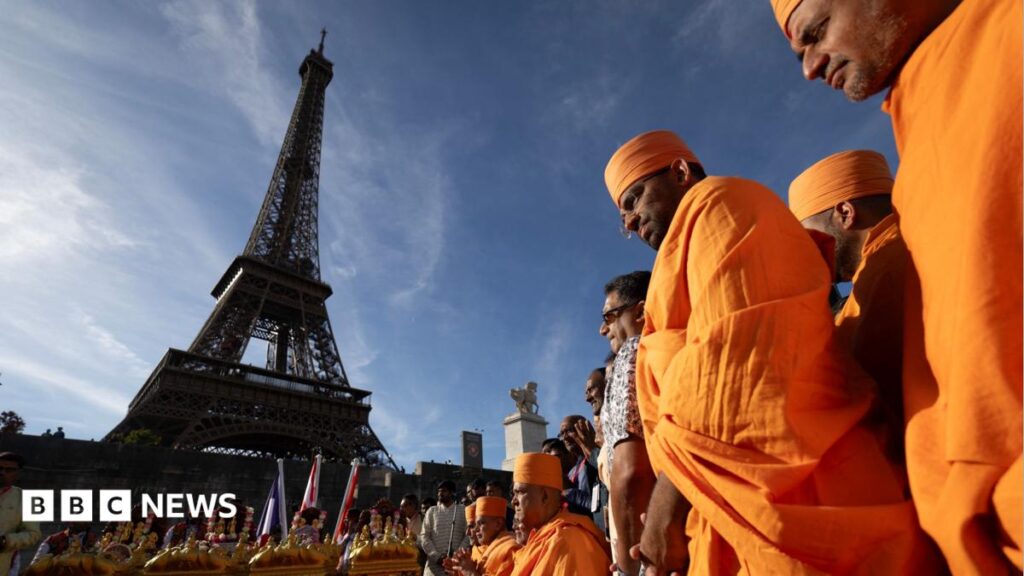
On Monday morning, a group of female employees was asked to move from a historic viewing platform to a lower‑level service area so that a senior manager could attend a private religious gathering at the top of the tower. Union representative Aïcha Diarra said the women were told the relocation was “necessary for a religious visit” and that they were left feeling “humiliated and singled out”.
The staff, backed by the CGT union, staged a walk‑out that halted ticket sales and closed the attraction for several hours. Security footage released by the union shows a handful of workers gathering near the Eiffel Tower’s main entrance, chanting slogans about respect for religious freedom. The protest ended only after the tower’s director promised a review of the decision.
Why it matters: Labor rights, religious freedom and tourism revenue
The incident spotlights a clash between two core French values: the protection of workers’ dignity and the principle of laïcité. If the relocation is deemed discriminatory, the tower could face legal action under the 2004 law that bans workplace discrimination based on religion. Such a case would set a precedent for other high‑profile sites that host diverse workforces.
From an economic perspective, the temporary closure cost the city an estimated €250,000 in lost ticket sales, according to a preliminary report from the Paris tourism board. More importantly, the episode risks tarnishing the tower’s reputation as a welcoming destination for international visitors, many of whom come from Muslim‑majority African countries.
A broader pattern: Religious discrimination across Europe and the African diaspora
France is not alone in grappling with workplace accommodation for religious practices. Similar disputes have erupted in Belgium, the Netherlands and the United Kingdom, where Muslim women have been barred from wearing headscarves or prayer breaks. These cases often attract media attention in African diaspora communities, who see them as reflections of how Europe treats their compatriots.
For African entrepreneurs and tour operators, the Eiffel Tower’s image matters. A 2023 survey by the African Tourism Association found that 42 % of African travellers consider a destination’s respect for cultural and religious diversity when planning trips to Europe. Incidents like the Paris protest can therefore influence booking patterns and the willingness of African investors to partner with French hospitality firms.
Reactions and the mayor’s investigation
Paris mayor Anne Hidalgo announced an immediate inquiry, stating that the city will “ensure that the rights of all municipal employees are respected without compromising the secular nature of public spaces”. The mayor has ordered an independent audit by the French Ministry of Labour, which will examine whether the relocation breached anti‑discrimination statutes.
Human‑rights NGOs, including the Ligue des Droits de l’Homme, have called for broader reforms, urging the government to clarify guidelines for religious accommodation in state‑run monuments. Meanwhile, the CGT union has filed a formal complaint with the French Labour Court, seeking compensation for the affected workers and a guarantee that similar relocations will not occur again.
What’s next: Potential policy shifts and the tower’s future operations
If the investigation confirms that the relocation was discriminatory, the Eiffel Tower could be required to adopt a written protocol for handling religious requests, similar to the one introduced at Paris‑Charles de Gaulle airport in 2022. Such a protocol would outline clear steps for managers, protect employee dignity, and provide a transparent appeals process.
Beyond the tower, the case may accelerate a wider legislative push in France to balance laïcité with individual religious rights. Lawmakers from the centre‑right have already proposed amendments that would make it easier for employees to request reasonable accommodations, while still preserving the secular character of public institutions. For African and diaspora workers in France, the outcome could reshape everyday workplace interactions across the country.
Quick Answers
Why was the Eiffel Tower closed on September 8, 2026?
The tower was shut after staff protested the forced relocation of female workers for a religious visit, prompting a walk‑out that halted ticket sales.
What legal consequences could the Eiffel Tower face over the incident?
If the relocation is found to breach France’s anti‑discrimination laws, the tower could face fines and be required to adopt new workplace accommodation protocols.
How might this protest affect African tourists visiting Paris?
African travellers often consider a destination’s respect for religious diversity; negative publicity could deter bookings and affect partnerships with African tour operators.
Source: www.bbc.co.uk




💬 Comments 0