El Salvador Deploys Troops to Haiti in 2026 Military Intervention Amid Crisis
Background: Haiti’s Turmoil and the Search for Stability
Haiti has been in political chaos since the 2021 assassination of President Jovenel Moïse, followed by a power vacuum and widespread violence. The country’s fragile institutions have struggled to provide basic services, and the economy has collapsed, leaving millions in dire need of humanitarian assistance. Amid this turmoil, regional leaders and international actors have debated whether external intervention could restore order and safeguard civilians. The decision by President Nayib Bukele to send Salvadoran troops signals a shift in how Latin American states view collective security responsibilities.
The Salvadoran Mission: Scope, Mandate, and Logistics
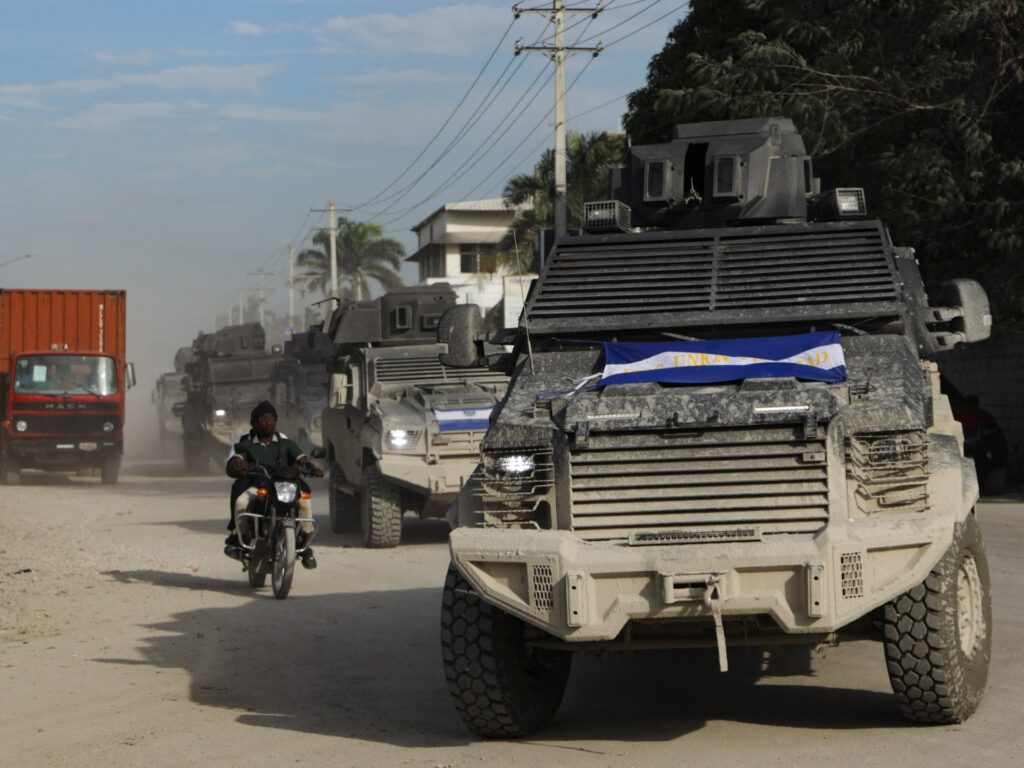
El Salvador’s contingent consists of approximately 400 soldiers, primarily from the Army’s Rapid Response Units, equipped for peacekeeping operations. Official statements from the Salvadoran Ministry of Defense indicate that the mission aims to support local security forces, protect critical infrastructure, and assist in restoring law and order. The troops will operate under a joint command with Haitian police and will be supervised by a UN liaison officer to ensure compliance with international norms. While the Salvadoran government claims the deployment is purely humanitarian, analysts suggest it also serves to strengthen President Bukele’s domestic and regional standing.
The Missing Technicians: A Humanitarian Puzzle
Police in Haiti recovered a vehicle linked to four Salvadoran technicians who had disappeared in late 2025. The technicians were reportedly working on a telecommunications project funded by the Salvadoran government to improve internet connectivity across rural Haiti. Their disappearance raised concerns about the safety of foreign workers in conflict zones. While the Salvadoran authorities have not confirmed the technicians’ fate, the discovery of the vehicle underscores the risks that accompany foreign-led development initiatives in unstable environments.
Regional and Global Implications: A New Precedent for Peacekeeping
El Salvador’s intervention marks one of the first instances of a Central American country deploying forces to another sovereign state outside its region. This move could influence future peacekeeping frameworks, prompting other small states to consider military contributions to UN-led missions. The deployment also tests the limits of the UN’s authority, as the operation lacks a formal Security Council mandate. Critics argue that unilateral interventions risk undermining international law and could set a precedent for extra‑regional militaries to intervene in domestic conflicts. Conversely, proponents highlight the urgent need for on‑the‑ground support to prevent further humanitarian collapse.
Reactions Across the Caribbean and Beyond
Haitian officials have expressed cautious optimism, acknowledging the Salvadoran troops’ potential to bolster security. However, some Haitian civil society groups worry that foreign soldiers may exacerbate tensions if not properly integrated. The United Nations has urged all parties to coordinate closely with its peacekeeping arm to avoid duplication of efforts. In neighboring Cuba, officials have called for a regional coalition to address Haiti’s crisis, citing the Salvadoran deployment as a catalyst. Meanwhile, the Salvadoran diaspora in the United States has reacted with mixed feelings, balancing pride in national service with concern over the soldiers’ safety.
What Comes Next: Possible Outcomes and Future Scenarios
If the Salvadoran mission succeeds in stabilizing key districts, it could pave the way for a broader international peacekeeping force. However, the lack of a UN mandate may limit the operation’s longevity and could invite diplomatic pushback from countries wary of setting precedents. The disappearance of the technicians remains unresolved; their families await clarification, and the incident could prompt stricter safety protocols for foreign workers in conflict zones. In the long term, Haiti’s political future will hinge on whether external assistance can create conditions for democratic governance and economic recovery.
Quick Answers
What is the main purpose of El Salvador’s troops in Haiti? The Salvadoran military aims to support Haitian police, protect infrastructure, and assist in restoring order amid the country’s political crisis. Why were four Salvadoran technicians found in a vehicle in Haiti? The technicians were working on a telecommunications project, and their disappearance raised concerns about foreign worker safety in unstable regions. How does this intervention affect international peacekeeping norms? It challenges traditional UN-led frameworks by introducing a non‑regional, unilateral military presence in a sovereign nation.
Quick Answers
What is the main purpose of El Salvador’s troops in Haiti?
The Salvadoran military aims to support Haitian police, protect infrastructure, and assist in restoring order amid the country’s political crisis.
Why were four Salvadoran technicians found in a vehicle in Haiti?
The technicians were working on a telecommunications project, and their disappearance raised concerns about foreign worker safety in unstable regions.
How does this intervention affect international peacekeeping norms?
It challenges traditional UN-led frameworks by introducing a non‑regional, unilateral military presence in a sovereign nation.
Source: www.aljazeera.com



💬 Comments 0