Kenya and DR Congo Re‑establish Ties in 2026 After Conflict Rift – Impacts on East Africa
Historical ties and the flashpoint that strained them
Kenya and the Democratic Republic of Congo (DRC) have shared a porous border for decades, facilitating trade, migration, and cultural exchange. Both countries are members of the Intergovernmental Authority on Development (IGAD) and the African Union, and they have traditionally cooperated on issues ranging from wildlife conservation to cross‑border infrastructure.
Relations soured in early 2025 when armed groups operating in eastern DRC were accused of launching incursions into Kenya’s Turkana region. Nairobi alleged that the militias were receiving logistical support from factions within the DRC’s armed forces, a claim the Kinshasa government denied. The dispute escalated to a diplomatic freeze, with Kenya recalling its ambassador and DRC suspending visa‑free travel for Kenyan nationals.
The tension coincided with a broader surge of insecurity in the Great Lakes region, where competition over mineral resources and ethnic grievances have repeatedly ignited cross‑border violence. Analysts warned that a prolonged diplomatic rupture could jeopardise regional peace‑building initiatives that have been in place since the 2014 Nairobi Peace Accord.
The 2026 diplomatic breakthrough
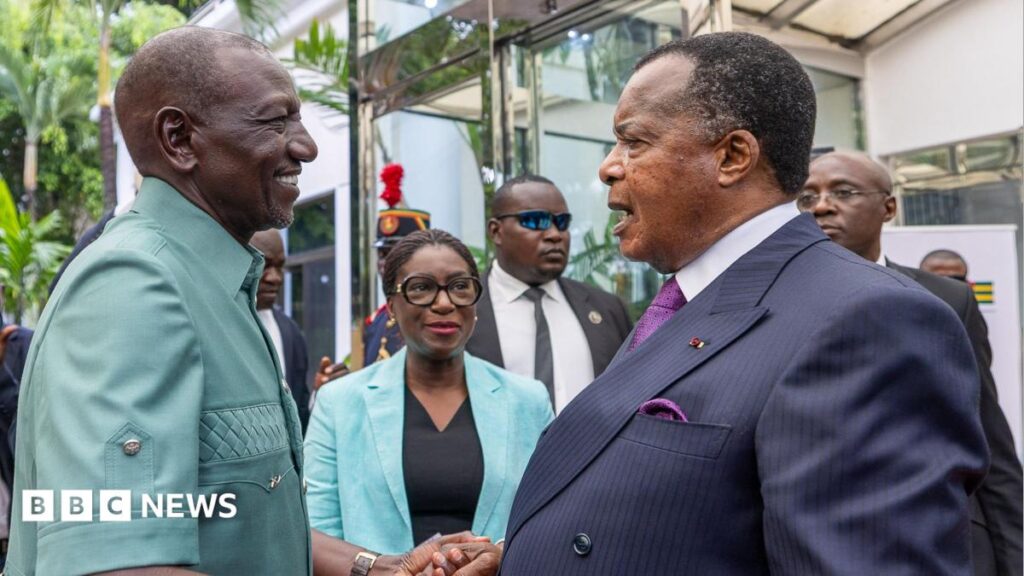
In a joint press conference in Nairobi on 22 November 2026, President William Ruto and President Félix Tshisekedi announced a formal agreement to restore full diplomatic relations. Both leaders pledged to respect each other’s sovereignty and to refrain from interference in internal affairs, echoing language first used in the 2015 African Union Charter on Non‑Interference.
The accord includes a three‑phase roadmap: (1) the immediate reopening of embassies, (2) a joint commission to investigate the 2025 border incidents, and (3) a ten‑year cooperation framework on security, trade, and energy. The commission will be chaired by a neutral African Union envoy, a move intended to assure both sides that investigations will be impartial.
According to a statement from Kenya’s Ministry of Foreign Affairs, the agreement also calls for the establishment of a “Rapid Response Task Force” that will coordinate border patrols and share intelligence on armed groups. DRC officials said the task force will be staffed by officers from the DRC’s Integrated Police and Kenya’s Directorate of Criminal Investigations.
Why the reconciliation matters for regional stability
The Great Lakes region has long been a tinderbox where local disputes can quickly become continental crises. Restoring Kenya‑DRC ties removes a diplomatic vacuum that armed groups could exploit to move weapons, recruit fighters, or smuggle conflict minerals across the border.
Security experts note that the joint commission could set a precedent for resolving similar disputes elsewhere, such as the lingering tensions between Uganda and the DRC over the LRA remnants. A coordinated approach may also strengthen the African Union’s “Continental Early Warning System,” which relies on timely information sharing between neighboring states.
Moreover, the agreement signals to external powers—particularly China, the United States, and the European Union—that African nations are capable of managing their own security challenges. This could influence future foreign‑military assistance packages, steering them toward capacity‑building rather than direct intervention.
Economic and humanitarian stakes for Kenya, the DRC and the diaspora
Cross‑border trade between Kenya and the DRC accounts for roughly $1.2 billion annually, according to the East African Community’s 2024 trade report. The diplomatic freeze had already cut cargo flows by an estimated 30 %, hurting Kenyan exporters of tea, coffee, and horticultural products that rely on Congolese transit routes to the Indian Ocean ports of Mombasa and Lamu.
For the Congolese diaspora in Kenya—estimated at 120,000 people by Kenya’s Immigration Department—the rupture meant tighter visa restrictions and reduced access to social services. The restoration of visa‑free travel is expected to revive remittance flows, which the World Bank estimates contribute about 4 % of the DRC’s GDP.
Investors are also watching the development closely. The Nairobi‑Goma railway project, a flagship of the African Continental Free Trade Area (AfCFTA), had stalled due to security concerns. With the new security task force and a commitment to non‑interference, the railway could receive renewed funding from the African Development Bank, potentially creating thousands of jobs on both sides of the border.
What comes next – challenges and opportunities
Implementation will be the true test of the agreement. The joint commission’s first mandate—identifying the actors behind the 2025 incursions—requires access to contested territories where both governments have limited control. Human rights groups warn that without transparent investigations, accusations of “cover‑ups” could reignite mistrust.
Nonetheless, the roadmap offers concrete milestones. The rapid‑response task force is slated to be operational within six months, and the ten‑year cooperation framework includes annual ministerial meetings that will be streamed publicly, a move aimed at enhancing accountability. If these mechanisms work, they could become a model for other African states grappling with cross‑border insurgencies.
For the African diaspora, especially entrepreneurs and NGOs operating in the region, the renewed diplomatic climate opens doors for new partnerships. Tech hubs in Nairobi have already expressed interest in collaborating with Kinshasa’s emerging startup scene, hoping to tap into the DRC’s vast pool of young talent and natural‑resource‑based investment opportunities.
Quick Answers
When did Kenya and the DRC agree to restore diplomatic relations?
The two countries announced the restoration of ties on 22 November 2026 during a joint press conference in Nairobi.
What are the main components of the Kenya‑DRC reconciliation agreement?
The pact includes reopening embassies, a three‑phase joint commission to investigate border incidents, and a ten‑year framework for security, trade, and energy cooperation.
How will the agreement affect trade between Kenya and the DRC?
Restored diplomatic ties are expected to revive cross‑border trade worth about $1.2 billion a year and could unlock funding for stalled infrastructure projects like the Nairobi‑Goma railway.
Source: www.bbc.co.uk




💬 Comments 0