Eleven dead, including a pregnant woman, in Cape Town house shooting – South Africa 2026
Background: South Africa’s worsening gun violence crisis
South Africa has been grappling with a steady climb in firearm‑related homicides for the past decade. 2024 saw 21,500 murders, of which roughly 12,000 involved a gun, according to Statistics South Africa. The figure nudged higher in 2025, with police reporting a 6% increase in illegal‑firearm seizures, suggesting that more weapons are circulating on the streets than ever before.
Experts link the surge to a mix of organized crime syndicates, porous borders with neighboring countries, and a booming black‑market for small‑arms. The legacy of the apartheid‑era weapons stockpiles, combined with weak enforcement of the Firearms Control Act, has allowed illegal guns to flood informal settlements and suburban neighborhoods alike.
For ordinary South Africans, the statistics translate into daily anxiety. Communities in the Western Cape, Gauteng and KwaZulu‑Natal have reported a rise in ‘home invasions’ and ‘targeted killings’, eroding the sense of safety that once defined middle‑class suburbs. The latest shooting adds another painful chapter to a story that many citizens feel is being ignored by policymakers.
The Cape Town house shooting: what police reported
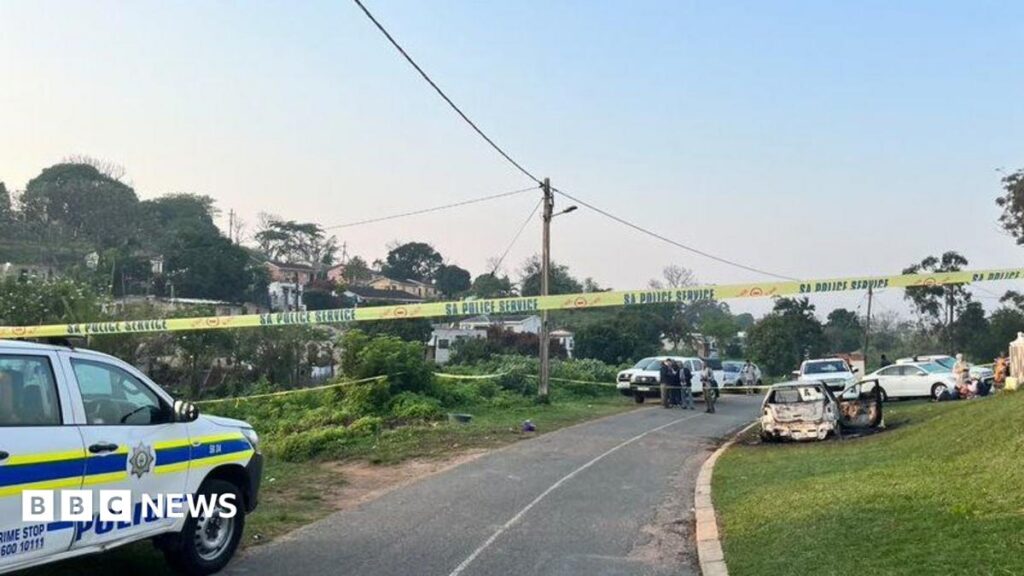
In the early hours of 22 September 2026, emergency services were called to a residential property in the Sea Point area of Cape Town after gunfire was heard. Police arrived to find eleven bodies inside the house, among them a woman who was believed to be pregnant, according to a statement released by the South African Police Service (SAPS).
SAPS spokesperson Lieutenant Colonel Thabo Mokoena said that a group of heavily armed assailants entered the home, opened fire, and fled in a black sedan. No arrests have been made yet, and investigators are still trying to establish a motive, though sources close to the case have hinted at a possible gang‑related dispute over territory.
The incident is the deadliest single‑location shooting in Cape Town since the 2019 Keurboom massacre, and it has reignited public fears about the spread of high‑profile gun attacks beyond the usual hotspots of township crime.
Why this incident matters beyond the immediate tragedy
Beyond the loss of life, the shooting underscores a disturbing trend: mass shootings are moving from public spaces into private homes, where families expect the highest level of protection. This shift threatens to erode confidence in the state’s ability to guarantee personal security, a cornerstone of any stable society.
For the South African economy, the fallout could be tangible. Tourism, which contributed roughly 4% of GDP in 2025, relies on the perception of safety in major cities like Cape Town. A spike in high‑profile violence can deter visitors, affect hotel occupancy, and ultimately reduce foreign exchange earnings that many South Africans depend on.
The presence of a pregnant victim also brings gendered dimensions to the fore. According to the Gender-Based Violence (GBV) Coalition, women account for 35% of all homicide victims in the country, and the inclusion of a expectant mother highlights how indiscriminate gun violence can exacerbate already high rates of GBV.
Globally, the Cape Town attack mirrors a pattern of mass shootings that have become more frequent in the United States, Brazil and the Philippines. While the motivations differ, the common denominator is the easy availability of illegal firearms and a failure of law‑enforcement agencies to stem the flow.
Public reaction and political fallout
Social media lit up within minutes of the police bulletin, with hashtags like #StopTheViolence and #CapeTownMourning trending on Twitter and Instagram. Civil‑society groups such as the South African Human Rights Commission (SAHRC) issued statements condemning the attack and calling for urgent action to curb illegal weapons.
President Cyril Ramaphosa, speaking at a press conference two days later, pledged a “zero‑tolerance” approach to illegal firearms and promised that the National Prosecuting Authority would fast‑track any charges related to the case. The Minister of Police, Bheki Cele, announced a special task force to investigate the incident, but opposition parties accused the government of politicising the tragedy ahead of the upcoming municipal elections.
Protests were organised in several townships across the Western Cape, where residents demanded better street lighting, more patrols, and a transparent audit of the police’s response time. While the demonstrations remained peaceful, they signalled a growing impatience with a system many feel has become complacent.
What could come next: policy, security and community response
In the short term, lawmakers are expected to revisit the Firearms Control Act, which has been criticised for lax licensing procedures and weak penalties for illegal possession. A draft amendment tabled in Parliament this week proposes harsher sentences for repeat offenders and a mandatory audit of gun‑dealer inventories.
Neighbourhoods are also turning to private security solutions. The Western Cape Security Association reported a 22% surge in contracts for residential patrols after the shooting, a trend that could widen the gap between affluent areas that can afford such services and poorer communities that cannot.
Long‑term experts argue that policing alone will not solve the problem. Dr. Lindiwe Mthembu, a criminology professor at the University of Pretoria, stresses the need for socio‑economic interventions: “Job creation, youth empowerment programs, and improved education are the only sustainable ways to reduce the demand for illicit firearms,” she told the Mail & Guardian.
The diaspora community, which sends roughly $5 billion in remittances each year, is watching closely. South Africans abroad have begun circulating petitions urging the government to act, and some prominent diaspora business leaders have pledged to fund community safety initiatives in Cape Town’s most vulnerable suburbs.
Quick Answers
How many people were killed in the Cape Town house shooting?
Eleven people, including a pregnant woman, were confirmed dead by police.
What is the South African government doing in response to the shooting?
President Ramaphosa has called for a zero‑tolerance policy on illegal firearms, and a special police task force is investigating the attack.
Why does this shooting matter for South Africa’s economy?
It threatens tourism and foreign investment by damaging the country’s reputation for safety, which contributes significantly to GDP.
Source: www.bbc.co.uk



💬 Comments 0