UN Population Fund reports surge in violence against women in Gaza, early forced marriages rise 2026
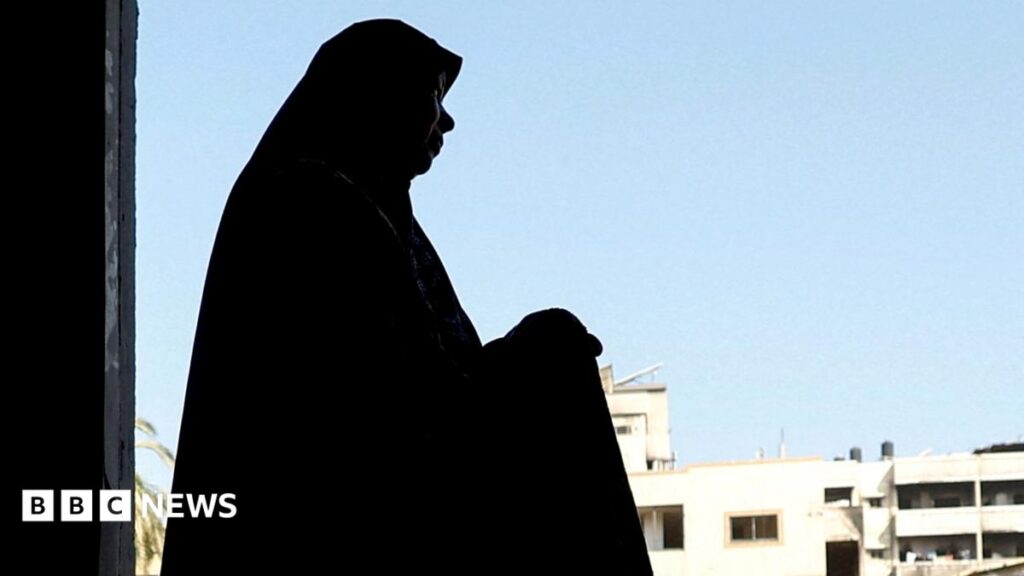
Conflict backdrop and gender-based violence
The Gaza Strip has endured intermittent wars and blockades for more than a decade, creating an environment where basic services are scarce and civilian life is constantly under threat. In such protracted crises, women and girls often bear a disproportionate share of the suffering, facing not only the direct impacts of air strikes but also a steep rise in gender‑based violence. Human‑rights groups have long warned that the stress of siege conditions, displacement, and economic collapse fuels abuse within households and communities.
During the latest escalation in early 2026, UN agencies reported a spike in incidents ranging from intimate‑partner violence to public harassment. The United Nations Population Fund (UNFPA) highlighted that the intensity of the conflict has pushed many families into desperate coping strategies, including early and forced marriages, as a way to secure perceived protection or financial relief. These patterns mirror what researchers have observed in other war‑torn societies, where the breakdown of legal oversight creates a vacuum for harmful practices to flourish.
UNFPA’s 2026 findings: numbers and new trends
In a briefing released in September 2026, UNFPA disclosed that reports of violence against women in Gaza had risen by roughly 40 % compared with the same period in 2025. The agency’s field teams documented over 12,000 new cases of intimate‑partner abuse, a figure that includes both physical assaults and psychological coercion. The report also flagged a “severe escalation” in early and forced marriages, with the number of girls under 18 entering marriage contracts jumping from an estimated 3,200 in 2025 to more than 5,600 in the first half of 2026.
While exact percentages are difficult to verify amid the chaos, UNFPA’s data collection relied on a mix of hotline calls, community health worker reports, and hospital admissions. The agency warned that many cases remain unreported, especially in densely populated neighborhoods where fear of retaliation or stigma discourages victims from seeking help. According to the report, the surge is most acute in the northern governorates, where displacement camps are overcrowded and basic services are most limited.
Why the surge matters for health, education and stability
Early and forced marriages carry immediate health risks, including higher rates of maternal mortality, complications during childbirth, and increased vulnerability to sexually transmitted infections. For girls who are still in their early teens, pregnancy can be life‑threatening, especially when prenatal care is intermittent or unavailable due to the blockade. These health outcomes strain Gaza’s already fragile medical system, which is operating with limited supplies and understaffed facilities.
Beyond the medical dimension, forced marriage truncates education for thousands of girls, undermining a generation’s human capital. UNESCO estimates that each year a girl leaves school for marriage, the region loses roughly $1.5 billion in potential earnings. The long‑term effect is a widening gender gap in the labor market, which can entrench poverty cycles and limit Gaza’s capacity for post‑conflict reconstruction. Moreover, the normalization of gender‑based violence erodes social cohesion, making it harder to build a resilient civil society after hostilities subside.
African links: diaspora, aid, and shared challenges
Palestinian communities have long been present across Africa, from sizable populations in South Africa and Kenya to smaller enclaves in Nigeria and Ghana. Many of these diaspora groups run charitable foundations that funnel resources to Gaza’s health and education sectors. The UNFPA surge has prompted calls from African‑based NGOs, such as the African Women’s Development Fund, to allocate emergency grants specifically for psychosocial support and safe spaces for women and girls affected by forced marriage.
The pattern of conflict‑driven gender‑based violence is not unique to Gaza. African conflict zones such as the Democratic Republic of Congo, Sudan’s Darfur region, and parts of the Sahel have reported similar spikes in early marriage as families seek coping mechanisms under duress. Experts note that the Gaza data offers a comparative case study for African policymakers and humanitarian actors, highlighting the need for early‑warning systems that track marriage trends alongside displacement statistics.
Funding channels also intersect. European donors, who traditionally support UNFPA’s work in Gaza, are increasingly coordinating with African development banks to co‑finance gender‑focused programs. The African Development Bank’s recent “Gender Resilience in Conflict‑Affected Areas” initiative cites the Gaza findings as a catalyst for expanding its pilot projects in the Horn of Africa, where early marriage rates have risen by 25 % since 2022.
International and local reactions
UN Secretary‑General António Guterres condemned the rise in gender‑based violence as a “war crime against humanity,” urging all parties to respect international humanitarian law that protects civilians, especially women and children. UNFPA’s Executive Director Natalia Kanem called for an immediate scaling up of safe‑house networks and for the removal of legal barriers that allow child marriage under emergency statutes.
Local NGOs in Gaza, such as the Gaza Women’s Center, have mobilised volunteers to operate clandestine counseling hotlines and to distribute discreet information leaflets on legal rights. However, they face severe restrictions on movement and funding, as Israel’s permit system often delays the entry of humanitarian supplies. In response, several European Union member states announced a supplemental €150 million package earmarked for gender‑based violence prevention, a portion of which is slated for direct transfers to Palestinian NGOs operating on the ground.
The diaspora response has been swift as well. Social media campaigns using hashtags like #EndViolenceInGaza have trended across Nigeria, Kenya and South Africa, prompting community leaders to host webinars that educate supporters on how to donate safely and advocate for policy changes at the United Nations.
What comes next: policy, protection and prevention
UNFPA recommends a three‑pronged approach: first, strengthen data‑collection mechanisms by integrating gender‑based violence indicators into existing humanitarian dashboards; second, expand safe‑housing and legal assistance services for victims, ensuring that they are accessible even under curfew conditions; third, launch community‑based awareness campaigns that challenge the cultural acceptance of early marriage, using religious leaders and local teachers as messengers.
For African stakeholders, the next step involves leveraging the existing diaspora networks to channel expertise and resources. Partnerships between African NGOs and Gaza‑based women’s groups could facilitate remote training for counselors, while also creating a pipeline for scholarship programs that allow young Palestinian women to study in African universities, thereby breaking the cycle of early marriage.
Finally, the international community must address the root causes that make forced marriage an “appealing” survival strategy. This means pushing for a durable ceasefire, reopening humanitarian corridors, and ensuring that economic assistance reaches the most vulnerable households. Without a stable environment, any protective measures risk being temporary band‑aid rather than lasting solutions.
Quick Answers
How many early marriages were reported in Gaza in 2026?
UNFPA recorded over 5,600 girls under 18 entering marriage contracts in the first half of 2026, up from about 3,200 the previous year.
Why are forced marriages rising in conflict zones like Gaza?
Families facing displacement, poverty and insecurity often view early marriage as a way to secure economic relief or perceived protection for their daughters.
What role does the African diaspora play in addressing this issue?
African‑based NGOs and diaspora groups are mobilising funds, advocacy, and expertise to support safe‑houses, counseling services, and gender‑focused programs in Gaza.
Source: www.bbc.co.uk




💬 Comments 0