Elon Musk says SpaceX cut Ukraine’s Starlink for military use, impact on African users 2026
Background: Starlink’s role in Ukraine and Africa
Since the Russian invasion began in 2022, SpaceX’s Starlink satellite internet has become a lifeline for Ukraine’s civilian infrastructure, schools, hospitals and even some government services. The service was provided under a special emergency licence that prohibited any use for offensive military operations, a clause that has been reiterated in every public statement from SpaceX’s legal team.
Beyond the war zone, Starlink has been expanding across Africa, offering connectivity in remote areas of Kenya, Nigeria, South Africa and the Democratic Republic of Congo where terrestrial broadband is scarce. By early 2026, more than 1.2 million African subscribers were paying for the service, and several regional telecoms were negotiating wholesale agreements to resell Starlink capacity to small‑business customers.
What happened: Musk’s accusation and the service restriction
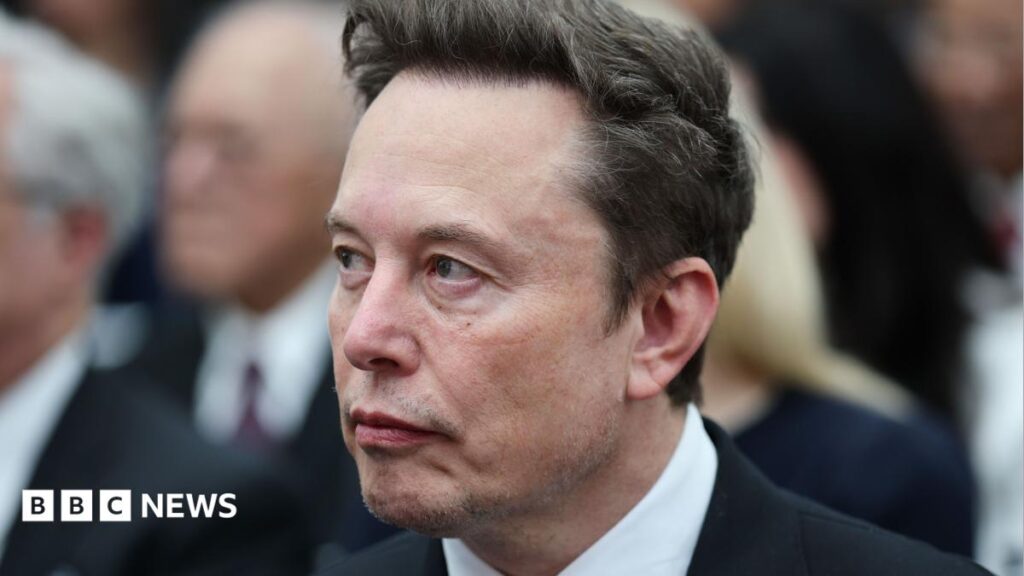
In a post on X on October 24, Elon Musk claimed that Ukrainian officials had breached the Starlink terms of service by using the network to coordinate artillery fire and drone strikes. He said SpaceX had therefore “temporarily restricted” access to the Ukrainian segment of the constellation, though the company continued to provide a “limited, non‑military” bandwidth for civilian users.
Musk’s statement was quickly echoed by a SpaceX spokesperson, who said the restriction was a “necessary compliance step” and that the company was working with the Ukrainian Ministry of Digital Transformation to restore full civilian service. The Ukrainian government, however, denied any wrongdoing, insisting that all military use was conducted through separate, encrypted channels that did not involve Starlink.
Why it matters: Private tech power and geopolitical precedent
The episode underscores a growing tension between private technology firms and sovereign states in conflict zones. By enforcing its own usage policy, SpaceX is asserting a de‑facto authority over a critical communications infrastructure that many governments treat as strategic national assets. This could set a precedent for other companies that operate global satellite constellations, such as Amazon’s Project Kuiper or OneWeb, to intervene in future conflicts.
For African users, the incident raises questions about the reliability of a service that is increasingly woven into national digital strategies. If SpaceX can suspend or limit access in Ukraine on policy grounds, African regulators may fear similar actions during political unrest, election disputes or cross‑border tensions, potentially jeopardising broadband continuity for millions.
Reactions on the ground: Governments, NGOs and the African telecom sector
The Ukrainian Ministry of Digital Transformation called Musk’s claim “misleading” and urged SpaceX to restore the full service immediately, warning that any prolonged outage could hamper emergency medical logistics and civilian communications. International NGOs such as the Red Cross echoed the concern, noting that satellite links are often the only way to reach besieged communities.
In Africa, telecom regulators in Kenya and Nigeria issued statements reminding satellite providers that national licensing frameworks require a “stable and non‑discriminatory” service. The Kenya Communications Authority warned that any abrupt service change could trigger a review of Starlink’s operating licence, while the Nigerian Communications Commission signalled it would consult with the Ministry of ICT on contingency plans.
What’s next: Legal battles, market shifts and the future of satellite internet in Africa
Legal experts predict that Ukraine may file a breach‑of‑contract suit against SpaceX, arguing that the emergency licence granted in 2022 implicitly allowed for wartime usage. Meanwhile, SpaceX is expected to seek a judicial clarification of its terms of service, a move that could create a new body of case law on private‑sector control of wartime communications.
For African markets, the controversy could accelerate diversification away from a single satellite provider. Companies like Eutelsat, SES and the Chinese firm China Satcom are already courting African governments with “sovereign‑grade” satellite solutions that promise greater regulatory oversight. In the medium term, the incident may also prompt African Union members to draft a continent‑wide framework governing the use of foreign satellite constellations during emergencies.
Quick Answers
Why did Elon Musk say SpaceX restricted Ukraine’s Starlink?
Musk said Ukraine breached Starlink’s terms by using the network for military coordination, prompting a temporary restriction.
How could the Starlink restriction affect African users?
The move raises concerns that SpaceX could limit service during political unrest, threatening broadband continuity for millions of African subscribers.
What are the possible next steps for Ukraine and SpaceX?
Ukraine may sue for breach of contract while SpaceX is likely to seek a court ruling on its usage policy, setting a legal precedent for private satellite providers.
Source: www.bbc.co.uk




💬 Comments 0