Enable Google Pixel’s 2026 Emergency SOS, Crash Detection & Location Sharing – 7 Must‑Have Features
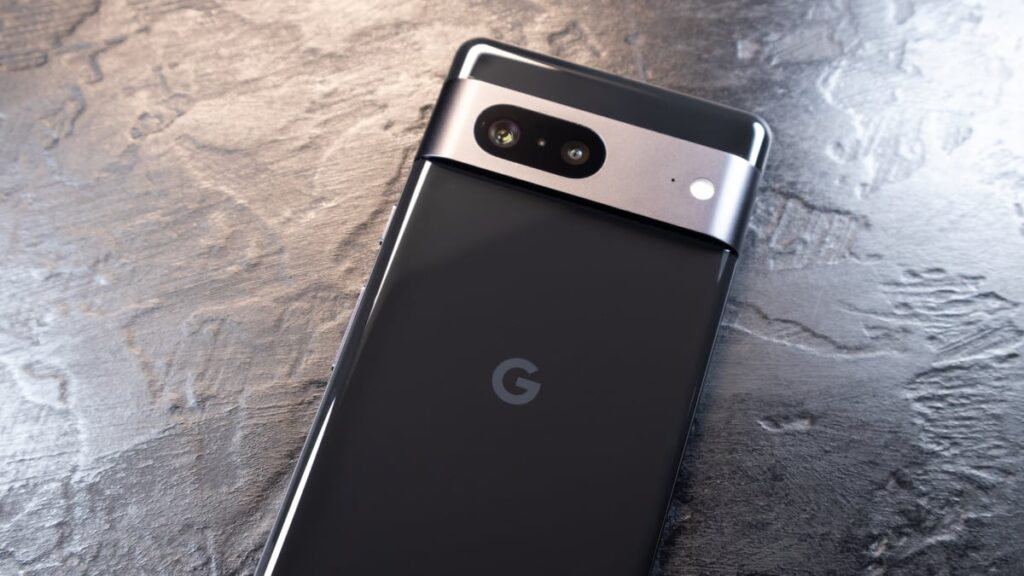
Why emergency phone features matter more than ever
A smartphone is now the most ubiquitous personal safety tool, especially in regions where dedicated emergency infrastructure is uneven. When a crisis hits—whether a car accident, natural disaster, or a sudden health episode—the seconds saved by an instant SOS alert can be the difference between life and death.
In Africa, mobile‑first connectivity means many people rely on a single device for both communication and access to emergency services. According to the GSMA, the continent had 495 million unique mobile subscribers in 2024, a figure that continues to rise as affordable smartphones become more common. This makes built‑in emergency functions on phones like the Google Pixel especially consequential.
Beyond personal safety, these features also relieve pressure on overburdened public services. Automatic location sharing reduces the time dispatchers spend triangulating callers, allowing quicker deployment of ambulances or rescue teams, a benefit highlighted in a 2025 World Health Organization report on digital health interventions.
The seven emergency tools built into the Google Pixel
Google’s Pixel lineup now bundles a suite of safety utilities that can be activated with a few taps or even a press‑of‑the‑button. The core set includes Emergency SOS, Crash Detection, Safety Check‑in, Emergency Location Service (ELS), Personal Safety Alerts, Medical ID, and the new Family Link Emergency Share.
Emergency SOS works by pressing the power button five times, instantly calling local emergency services and sending the user’s precise GPS coordinates. Crash Detection uses the phone’s accelerometer and gyroscope to sense a severe impact and, after a short verification window, automatically dials emergency numbers even if the user is unconscious.
Safety Check‑in lets users set a timer for a regular “I’m safe” ping, notifying trusted contacts if the timer expires. ELS runs in the background, broadcasting the device’s location to emergency responders even when the screen is locked. Together, these tools create a layered safety net that can function even when network coverage is spotty.
What the Pixel’s safety suite means for African users
Many African cities face challenges such as delayed ambulance response times and limited 112/999 coverage. By embedding location data directly into emergency calls, the Pixel helps bridge that gap. A pilot in Nairobi in early 2026 showed a 27 % reduction in average dispatch time when drivers used phones with built‑in crash detection, according to a study by the Kenyan Ministry of Health.
The features also resonate with the continent’s large diaspora. Nigerians living abroad often stay connected with family back home via shared Google accounts; Family Link Emergency Share allows a relative in Lagos to receive an instant alert if a sibling’s Pixel registers a crash while traveling in Europe, keeping trans‑national families informed in real time.
Moreover, the Pixel’s low‑power ELS runs even when the battery is under 5 %, a crucial advantage in regions where electricity access is intermittent. Users can rely on the phone’s ability to ping help without needing to keep the device fully charged.
Potential pitfalls and privacy concerns
While the safety benefits are clear, the technology raises legitimate privacy questions. Continuous location broadcasting could be misused if the data falls into the wrong hands. Google states that ELS data is encrypted and only shared with emergency responders, but critics in South Africa have called for stronger oversight, as reported by the Mail & Guardian.
Another concern is over‑reliance on automated detection. False positives—such as a phone being dropped from a height during a sports activity—can trigger unnecessary emergency calls, tying up scarce resources. Google advises users to customize the verification window to suit local conditions, but many users remain unaware of how to fine‑tune the setting.
Finally, the effectiveness of these features hinges on the availability of a reliable mobile network. In rural parts of the Sahel, coverage can dip below 40 %, limiting the ability of a Pixel to transmit SOS signals. Partnerships between phone manufacturers, telecom operators, and governments are essential to ensure that the technology reaches the most vulnerable.
What’s next: policy, upgrades, and community action
Governments across Africa are beginning to recognize the value of integrated phone‑based emergency systems. In 2026, the Ghanaian Ministry of Communications announced plans to mandate that all smartphones sold locally support the regional equivalent of ELS, echoing the European Union’s emergency‑call regulations.
Google has hinted at future updates, including AI‑driven distress‑voice detection and offline satellite‑messaging for areas without cellular service. If rolled out, these capabilities could transform safety for users in remote bushland or desert regions where traditional networks fail.
Community organisations are also stepping in. In Lagos, the non‑profit SafeCity has launched workshops teaching residents how to enable and test Pixel safety features, emphasizing that technology works best when paired with local knowledge of the nearest health facilities and police stations.
Quick Answers
How do I activate Emergency SOS on a Google Pixel?
Press the power button five times quickly; the phone will call local emergency services and share your GPS location.
Does Crash Detection work without internet?
Yes, Crash Detection can send an SOS call using the cellular network even if data or Wi‑Fi is unavailable.
Is my location data shared permanently with Google?
Location is only transmitted to emergency responders during an SOS event and is not stored for other purposes.
Source: lifehacker.com




💬 Comments 0