Enzo Maresca warns Manchester City can’t rely on Erling Haaland alone in 2026 season
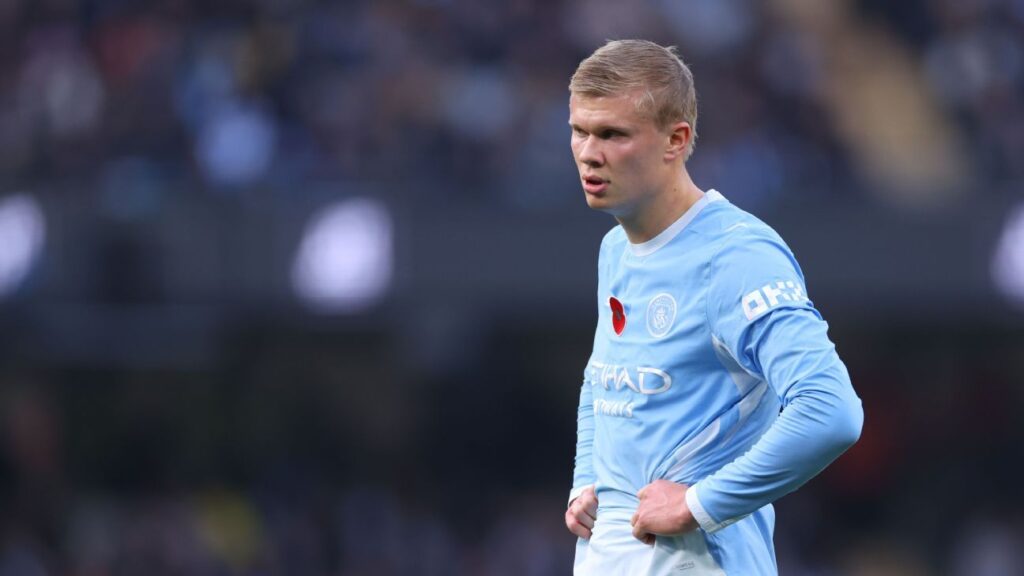
Background: City’s goal machine and the 2025‑26 campaign
Since joining Manchester City in 2022, Erling Haaland has turned the Etihad into a goal‑factory, netting more than 30 league goals in each of his first three seasons. His physical presence and clinical finishing have helped City secure two Premier League titles and a Champions League final appearance.
The 2025‑26 season began with City sitting atop the table, but a spate of injuries to midfield creators and a congested fixture list have raised questions about the sustainability of a single‑striker model. The club’s recent 2‑1 loss to Liverpool highlighted a reliance on Haaland’s solo brilliance, as City struggled to create chances when the Norwegian was tightly marked.
Maresca’s warning: “We can’t rely on Haaland alone”
Assistant manager Enzo Maresca told Sky Sports on Monday that City must diversify its attacking options before the Champions League knockout stage. He said, “Haaland is extraordinary, but football is a team sport. We need other players to step up and share the goal burden.”
Maresca’s comments came after a training session where City’s young forwards – including the recently signed Nigerian winger Chukwudi Okonkwo – were given extra shooting drills. The Italian, who worked under Pep Guardiola at the youth level, hinted that the club is looking to develop a more fluid front line.
Why it matters: tactical balance, financial risk and African talent
Tactically, over‑reliance on a single striker makes a side predictable. Opponents can double‑mark Haaland, forcing City to rely on long‑range shots or set‑pieces. Diversifying the attack also reduces the impact of injuries, a factor that has plagued City’s title runs in the past.
Financially, Haaland’s £210 million contract is one of the highest in football history. If the club cannot generate revenue from a broader attacking brand, sponsors may question the value of such an investment. Diversification could open up new marketing angles, especially in Africa where a rising star from the continent could attract a fresh fan base.
The mention of Nigerian winger Chukwudi Okonkwo is significant for the African diaspora. A successful breakthrough would echo the paths of former City stars like Sadio Mané and Riyad Mahrez, reinforcing the Premier League’s reputation as a gateway for African talent.
A broader pattern: European clubs and the ‘one‑striker’ dilemma
City’s situation mirrors a wider trend across Europe, where clubs have built entire campaigns around a marquee forward – think Cristiano Ronaldo at Juventus or Kylian Mbappé at PSG. When those players face dips in form or injury, clubs often scramble to find replacements, sometimes at inflated prices.
African forwards have been caught in this cycle. The recent transfer of Ghanaian striker Thomas Partey’s younger brother to a Ligue 1 side for a modest fee shows that clubs still scout the continent for affordable alternatives when star players become too costly. City’s potential investment in Okonkwo could signal a shift toward nurturing talent rather than buying it outright.
What’s next for City and African players in the Premier League?
In the short term, City will rotate its front line in the upcoming Champions League group matches, giving minutes to midfielders like Bernardo Silva in more advanced roles and testing Okonkwo’s chemistry with Haaland. Guardiola has hinted that the club will experiment with a false‑nine system, a tactic that could benefit a versatile African winger accustomed to cutting inside.
Longer‑term, the club’s academy partnership with the Nigerian Football Federation could produce a pipeline of talent. If Okonkwo impresses, City may sign additional African prospects, boosting viewership in Nigeria, Ghana, and the broader diaspora. Such a move would also align with UEFA’s new home‑grown player regulations, which encourage clubs to develop talent from outside the traditional European pool.
Quick Answers
Why does Enzo Maresca think Manchester City needs more than Erling Haaland?
Maresca believes relying on a single striker makes the team predictable and risky if Haaland is injured or tightly marked.
Which African player could help diversify City’s attack?
Nigerian winger Chukwudi Okonkwo, recently signed by City, is seen as a potential answer to the club’s need for varied goal sources.
How could a broader attack impact City’s finances?
A diversified front line can attract new sponsors, especially in African markets, and reduce the financial pressure of Haaland’s massive contract.
Source: www.espn.com




💬 Comments 0