Erling Haaland Unfazed by Manchester City’s 2026 Breach Verdict, says Kristoffer Ajer
Background: The Premier League’s financial crackdown
In March 2026 the Premier League’s independent commission ruled that Manchester City had breached the competition’s financial rules, handing the club a £100 million fine and a points deduction that was later suspended on appeal. The decision was the latest high‑profile enforcement of the league’s tightened Financial Fair Play (FFP) framework, introduced after years of criticism that wealthy owners could outspend rivals without penalty.
The verdict sparked a wave of debate among club executives, players and pundits. Some argued the sanctions were too lenient for a club that had spent over £1 billion on transfers in the past decade, while others warned that heavy penalties could destabilise the league’s commercial model, which relies on big‑money clubs to attract global sponsors and broadcast deals.
The verdict’s immediate fallout for Manchester City and its squad
Manchester City’s board quickly appealed the decision, and the league’s arbitration panel lifted the points deduction, leaving the fine as the only remaining punishment. The club’s manager, Pep Guardiola, reiterated that the team would stay focused on the season’s objectives, emphasizing that the fine would be absorbed by the club’s robust commercial revenues.
For the squad, the ruling meant no disruption to training schedules, travel plans or contract negotiations. Sources close to the dressing room told the Daily Telegraph that the players were largely indifferent, viewing the financial penalty as a matter for the board rather than their on‑pitch performance.
Why Haaland’s calm matters for players and the wider game
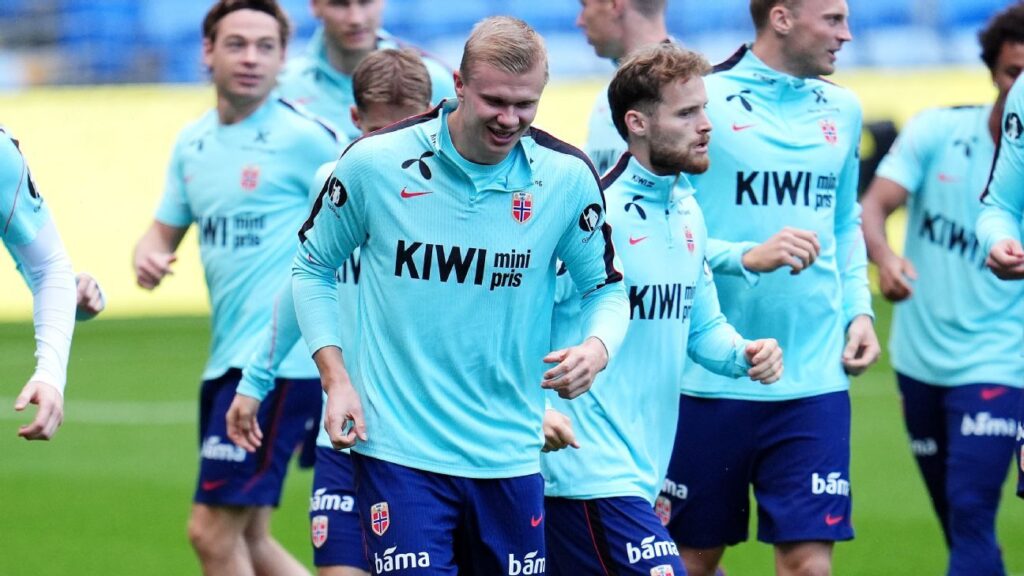
Erling Haaland, the Norwegian striker who broke the Premier League scoring record in the 2025‑26 season, was asked whether the verdict affected his focus. He replied that his priorities remain “the same – winning games and staying fit,” a sentiment echoed by teammate Kristoffer Ajer, who said Haaland was “unaffected by the club’s legal battles.”
Haaland’s composure is significant because star players often become the public face of a club’s financial controversies. When a marquee talent publicly downplays the issue, it reduces media pressure on the club and signals to sponsors that the brand’s value is insulated from regulatory turbulence. It also sets a precedent for other high‑profile athletes to keep their performance narrative separate from boardroom disputes.
Ripple effects on African talent pipelines and markets
The Premier League’s stricter enforcement has indirect consequences for African players, many of whom see England as the pinnacle of their career paths. Clubs that are forced to curb spending may turn to cheaper, high‑potential talent from Africa and the diaspora, accelerating scouting networks in West Africa, the Congo basin and South Africa.
Indeed, a recent report by the African Football Confederation noted a 12 percent rise in Premier League clubs signing African forwards between 2024 and 2026, a trend linked to clubs’ efforts to balance wage bills while maintaining competitive squads. If Manchester City and other top clubs continue to face financial constraints, we could see a surge in opportunities for African youngsters, but also a risk that they become bargaining chips in a cost‑cutting strategy.
Looking ahead: Governance, player welfare and the global game
The City case underscores a broader shift toward more transparent governance in elite football. Regulators in Europe, Asia and Africa are watching the Premier League’s approach, debating whether similar fines and points deductions should be applied in their own leagues to curb unsustainable spending.
For players, the episode reinforces the importance of focusing on personal performance and mental resilience. Sports psychologists note that elite athletes who can compartmentalise off‑field drama tend to sustain higher performance levels over long seasons. Haaland’s example may become a case study in future training programmes that teach young prospects how to stay “in the zone” despite external noise.
Finally, the verdict could influence future broadcasting negotiations. Broadcasters value stability and predictability; a league that consistently enforces its rules may command higher fees from global partners, potentially increasing revenue streams that eventually trickle down to lower‑tier clubs and youth academies across Africa.
Quick Answers
Did Manchester City's financial breach affect Erling Haaland’s playing schedule?
No, Haaland’s training and match schedule remained unchanged after the verdict.
How might stricter Premier League financial rules impact African players?
Clubs may look for cost‑effective talent, leading to more signings of African prospects while also using them as budget‑friendly options.
What was the penalty imposed on Manchester City in 2026?
The club was fined £100 million; a points deduction was initially imposed but later suspended on appeal.
Source: www.espn.com




💬 Comments 0