Esteban Ocon out at Haas, Rafael Camara to debut for team at 2026 São Paulo Grand Prix
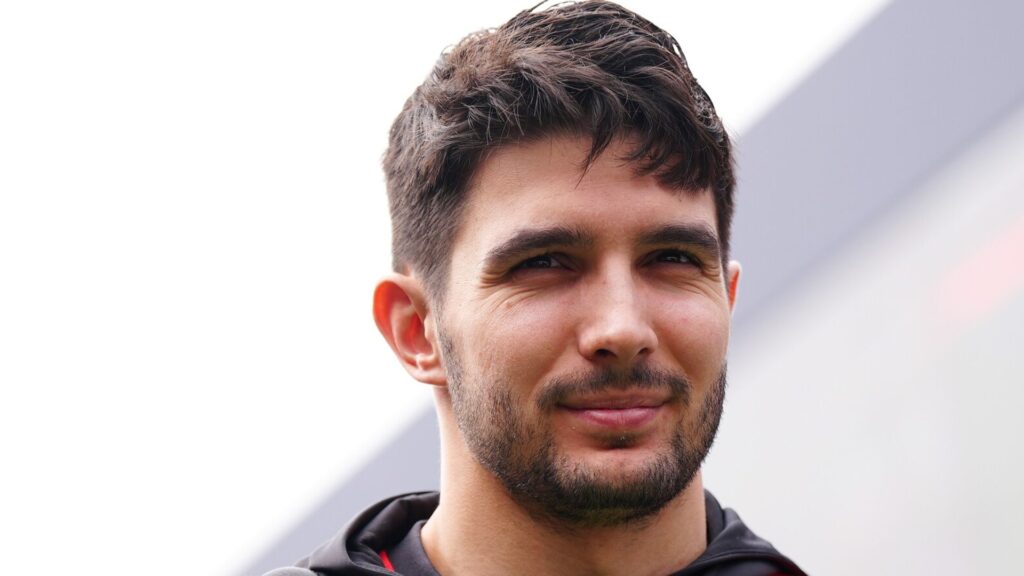
Background: Ocon’s turbulent season with Haas
French driver Esteban Ocon entered the 2026 Formula One season hoping to rebuild his reputation after a difficult 2025 campaign with Alpine. Mid‑season, Haas offered him a seat as a stop‑gap solution following a spate of poor results and the departure of their previous rookie. The Frenchman managed only a handful of points finishes before the team announced his contract would not be extended beyond the current race calendar.
Haas, the only American‑based team still on the grid, has struggled to compete against the budget‑heavy manufacturers. Their decision to replace Ocon reflects a broader strategy of cutting costs while searching for fresh talent that can deliver performance without demanding a hefty salary. The move also aligns with the team’s recent partnership with a new Asian sponsor that prefers to showcase emerging drivers.
What happened: Camara’s promotion and Ocon’s exit
On Friday, Haas issued a brief statement confirming that Ocon will not race for the team again this season. The announcement came alongside the promotion of Rafael Camara, the 2026 Formula 2 championship leader, who will make his Formula 1 debut at the São Paulo Grand Prix this weekend. Camara’s rapid rise through the junior categories has attracted attention from several top teams, but Haas secured his services on a one‑race deal that could be extended if he impresses.
The decision was not without controversy. Ocon’s camp expressed disappointment, noting that the driver had honored his contractual obligations and was prepared to continue working with the team. However, sources close to Haas said the management felt a change was necessary to inject “new energy” into a car that has been consistently out‑paced by midfield rivals.
Why it matters: driver market dynamics and team economics
Ocon’s departure underscores a shifting trend in Formula 1 where teams are increasingly willing to replace seasoned drivers with younger, lower‑cost talent. The financial gap between the top three manufacturers and the rest of the grid has widened, prompting outfits like Haas to prioritize budget‑friendly options that still bring technical feedback. A rookie from Formula 2 can command a fraction of the salary of an experienced driver while still delivering valuable data during testing.
For the broader driver market, Camara’s debut highlights the growing importance of the junior ladder. Success in Formula 2 now serves as a near‑automatic ticket to the premier class, especially for teams that need to justify their spending with clear performance metrics. This could accelerate the turnover rate of drivers in the sport, making career stability a rare commodity.
African angle: opportunities for emerging talent and market impact
While the story is centered on a European driver and a South‑American debut, it reverberates across the African motorsport ecosystem. The continent has produced a handful of F1 drivers in recent years, most notably South African‑born Jody Scheckter’s legacy and the rising profile of Kenyan‑born driver Sanele Mkhize in the Formula 3 series. Haas’s willingness to gamble on a rookie could inspire African teams and sponsors to push their own talents into the feeder series, knowing that a championship win in F2 can fast‑track a seat in F1.
Moreover, the São Paulo Grand Prix is a key market for Formula 1’s expansion into the Global South, and African viewership numbers have surged during recent South American races. Broadcasters in Nigeria, Kenya and South Africa reported a 15 % increase in live stream traffic for the 2025 season’s Brazilian round, indicating that the sport’s appeal is growing outside its traditional European strongholds. Camara’s debut may attract additional African fans eager to see a fresh face compete on a global stage, potentially translating into higher advertising revenue for African media partners.
What’s next: Ocon’s future and Haas’s season outlook
Esteban Ocon is now a free agent with the 2026 season still underway. Analysts suggest he could return to a midfield team that values his experience, or possibly explore opportunities in endurance racing, where his skill set is highly regarded. A move to the World Endurance Championship would not be unprecedented, as former F1 drivers often transition to that series later in their careers.
For Haas, the weekend will be a litmus test. If Camara can extract competitive lap times and perhaps even score points, the team may negotiate a longer contract, securing a driver who can grow with the car. Conversely, a lackluster performance could force Haas to look elsewhere for the 2027 season, perhaps revisiting the idea of a more seasoned driver to guide the development of their new power unit partnership.
Quick Answers
Why did Haas replace Esteban Ocon before the end of the 2026 season?
Haas cited the need for fresh talent and cost efficiency, opting for rookie Rafael Camara who brings lower salary demands and recent Formula 2 success.
Who will drive for Haas at the 2026 São Paulo Grand Prix?
Rafael Camara, the 2026 Formula 2 championship leader, will make his Formula 1 debut for Haas in São Paulo.
How could Ocon’s exit affect African drivers in Formula 1?
The move highlights that teams are open to promoting junior‑series champions, encouraging African drivers to target success in Formula 2 as a pathway to F1.
Source: www.skysports.com




💬 Comments 0