EU denies boycott of Nigeria’s 2027 elections, pledges continued aid and security support
Background: EU‑Nigeria ties ahead of the 2027 poll
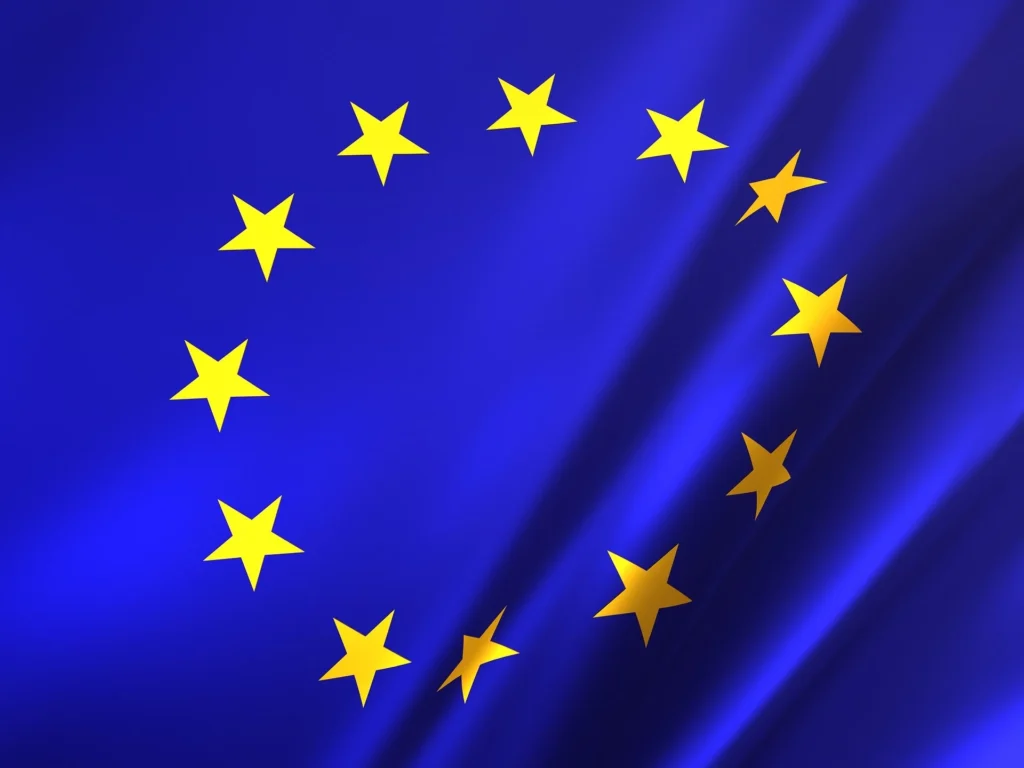
Nigeria’s 2027 general election is already being billed as a litmus test for the country’s democratic resilience after a series of contested votes in 2019 and 2023. The European Union, which has been a major development partner since the early 2000s, traditionally watches African elections closely, offering technical assistance, observer missions and, when necessary, diplomatic pressure. Over the past decade, EU programmes have poured roughly €1.2 billion into Nigeria’s electoral infrastructure, civil‑society capacity building, and security sector reforms.
The relationship is not one‑sided. Nigeria is a key market for European exporters, especially in the energy, agriculture and technology sectors. Moreover, the sizeable Nigerian diaspora in the UK, Italy and the Netherlands often serves as a bridge for trade, remittances and cultural exchange. Any perception that the EU might withdraw its engagement ahead of a pivotal election would therefore ripple through diplomatic, economic and community channels.
Rumours of an EU boycott began circulating in late July after an invitation from the Independent National Electoral Commission (INEC) allegedly went unanswered. Some social‑media posts claimed the bloc had “rejected the invitation” as a protest against alleged electoral fraud. These unverified claims sparked heated debate among Nigerian political analysts, diaspora groups and civil‑society organisations.
The clarification: what the EU actually said
On Monday, Gautier Mignot, the EU ambassador to Nigeria and ECOWAS, issued a formal statement rejecting the boycott narrative. He emphasized that the EU remains “committed to supporting a free, fair and credible electoral process in Nigeria” and that the earlier reports were “inaccurate and misleading”. The ambassador also confirmed that the EU will continue to send election observers and maintain its technical assistance programmes.
Mignot’s clarification highlighted that the EU’s decision‑making process for election observation missions is based on logistical readiness and security assessments, not political protest. He added that the EU had not received a formal invitation from INEC for a full‑scale mission yet, but that discussions are ongoing. This nuance explains why the EU did not immediately confirm participation, without implying a boycott.
The statement was quickly picked up by regional outlets such as Premium Times and Sahara Reporters, which quoted the ambassador’s words verbatim. International wire services, including Reuters and AFP, later reproduced the clarification, noting that the EU’s position aligns with its broader policy of constructive engagement rather than punitive isolation.
Why the clarification matters for Nigeria’s democracy
Election observation missions are more than symbolic gestures; they provide real‑time assessments that can deter malpractice and bolster public confidence. In the 2015 and 2019 elections, EU observers issued reports that prompted the Independent National Electoral Commission to improve ballot‑box security and voter‑education outreach. A perceived withdrawal of that scrutiny could embolden actors seeking to manipulate results, especially in contested regions like the North‑East and the Niger Delta.
Beyond credibility, the EU’s financial support is tied to democratic benchmarks. The EU‑Nigeria Partnership Agreement, renewed in 2022, conditions a portion of development aid on the country meeting standards for transparency, rule of law and human‑rights protection. A boycott—or even the rumor of one—could trigger a review of those conditionalities, jeopardising projects ranging from anti‑corruption training to renewable‑energy pilots that employ thousands of Nigerians.
For the diaspora, the EU’s stance signals how the continent’s largest donor bloc views the integrity of the election. Many Nigerians abroad plan to vote via the INEC’s electronic registration system, and they often look to EU‑backed NGOs for voter‑education materials. A clear EU commitment reassures diaspora organisations that their advocacy and monitoring efforts will have an external ally, strengthening cross‑border civic participation.
A broader pattern: EU’s evolving role in African elections
The EU’s reaction to the Nigeria rumours mirrors its recent handling of election crises in other African states. In Kenya’s 2022 polls, the bloc refrained from deploying a full observer mission after security concerns, opting instead for a “limited” team and remote monitoring. In Ghana’s 2024 presidential race, the EU publicly warned of funding suspensions if constitutional breaches persisted. These cases illustrate a shift from blanket endorsement to a more conditional, performance‑based partnership model.
Critics argue that this conditionality can appear paternalistic, especially when it intersects with sovereign electoral timelines. However, supporters contend that tying aid to democratic outcomes encourages governments to prioritize reforms. In Nigeria’s case, the EU’s clarification—rather than an outright boycott—signals a calibrated approach: stay engaged, but keep leverage ready if the electoral environment deteriorates.
The pattern also reflects internal EU dynamics. Member states are increasingly wary of over‑extending resources in volatile contexts, pushing the bloc to prioritize strategic partnerships. Nigeria, as Africa’s largest economy and a key security partner against Boko Haram and piracy, remains high on that list. Hence, the EU’s measured response balances diplomatic caution with the imperative to safeguard its investments and regional stability.
What’s next: implications for the 2027 election cycle
In the short term, the EU’s statement is likely to smooth over any diplomatic friction that the boycott rumours could have caused. The immediate priority for INEC is to formalise the invitation process and coordinate logistics for an observer team that can arrive well before the February 2027 voting day. This will involve synchronising with the African Union’s own mission, as well as with local NGOs that monitor voter registration and result transmission.
Long‑term, the clarification sets a precedent for how external partners will interact with Nigeria’s electoral reforms. If the 2027 election proceeds without major irregularities, the EU may consider expanding its assistance to include post‑election reconciliation programs, digital identity verification, and youth‑led civic education. Conversely, any significant breach of democratic norms could trigger a recalibration of aid, potentially affecting sectors unrelated to elections, such as climate‑resilience projects that rely on EU funding.
For the Nigerian diaspora, the EU’s continued engagement translates into more resources for voter‑information campaigns in Europe and North America. Diaspora groups have already begun collaborating with EU‑funded NGOs to produce multilingual guides on how to register and vote from abroad. This collaborative model could become a template for future elections across the continent, strengthening transnational democratic participation.
Quick Answers
Did the EU announce a boycott of Nigeria's 2027 elections?
No, the EU publicly denied any boycott and affirmed its commitment to support a free and fair election.
How could an EU boycott affect Nigeria's election funding?
A boycott could trigger a review of EU‑conditioned aid, risking delays or reductions in development projects tied to democratic benchmarks.
What role will the EU play in the 2027 Nigerian election?
The EU plans to continue technical assistance, possibly send observer missions, and maintain diplomatic support, pending formal invitation and security assessments.
Source: dailypost.ng

💬 Comments 0