Europe supermarket freezer cyber‑attack 2026 hits Estonia, Sweden, Portugal, Italy – food waste spikes
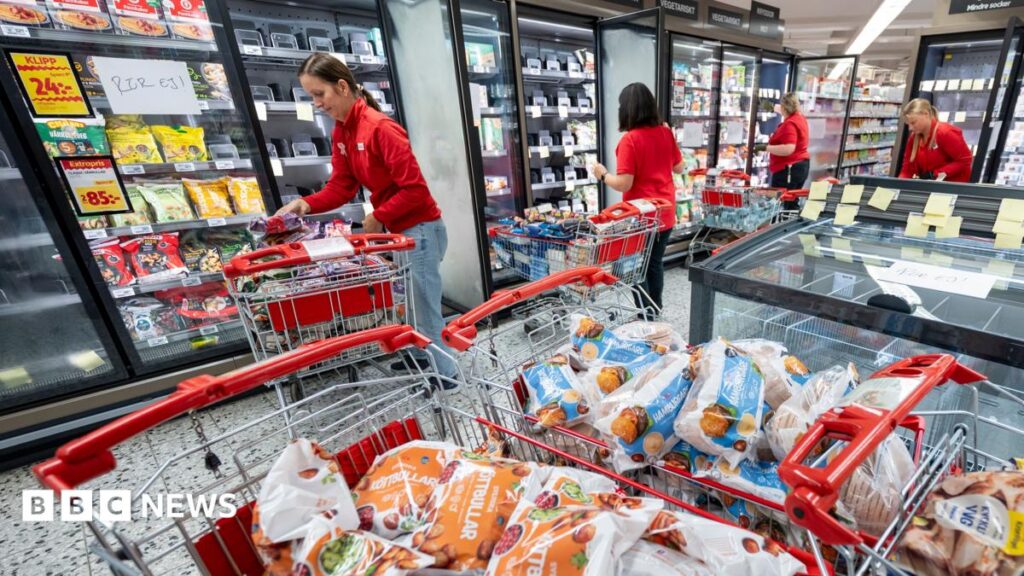
Background: A wave of freezer attacks across Europe
In early November 2026, a coordinated cyber‑intrusion struck the refrigeration units of major supermarket chains in ten European nations. The incidents followed a pattern first seen in 2021 when ransomware groups targeted logistics firms, but this time the focus was on the cold‑storage infrastructure that keeps perishable goods safe for consumers. Analysts trace the tactics to a known ransomware‑as‑a‑service (RaaS) syndicate that exploits outdated PLC (programmable logic controller) firmware, a vulnerability that many retailers have struggled to patch.
The affected countries range from the Baltic states to the Mediterranean, including Estonia, Sweden, Portugal, Italy and others. While the attacks varied in scale, each resulted in the automatic shutdown of freezers to prevent equipment damage, leaving thousands of tonnes of meat, fish, dairy and frozen vegetables at risk of spoilage. The spread of the attacks highlighted how interconnected supply‑chain IT systems have become, and how a single breach can ripple across borders in a highly integrated market.
What happened: Systems shut down and food discarded
Supermarket managers reported that the intrusion triggered emergency protocols that cut power to industrial freezers, a safety measure designed to avoid fire or equipment failure. In many stores, the loss of temperature control lasted between six and twelve hours, long enough for frozen items to thaw and become unsafe for sale. As a result, retailers were forced to discard between 5 and 12 percent of their frozen inventory, according to a joint statement from European grocery associations released on November 2.
The financial hit is being felt in real time. In Sweden, a leading chain estimated a loss of €3.2 million, while Italian retailers expect a combined €7 million hit. Beyond the immediate cost, the waste generated adds pressure to already strained waste‑management systems, and raises concerns about food security at a time when Europe is still recovering from climate‑driven supply shocks experienced in the past few years.
Why it matters: Supply‑chain fragility and food security
The attacks expose a growing blind spot in the EU’s critical‑infrastructure strategy: the cyber‑risk profile of food‑preservation equipment. While power grids and water treatment plants have long been classified as essential services, cold‑chain logistics have lagged behind in regulatory oversight. This gap makes supermarkets an attractive target for cyber‑criminals seeking quick payouts, because a short‑term shutdown can generate immediate financial pressure on companies to pay ransoms.
Moreover, the incident underscores how digital vulnerabilities can translate into physical waste and price volatility. With a significant portion of frozen goods lost, supermarkets may raise prices on remaining stock, affecting low‑income households that rely on affordable frozen foods. The ripple effect could also tighten supply for downstream businesses such as restaurants and catering firms, amplifying the economic impact beyond the retail floor.
African connections: Exporters, diaspora shoppers and lessons
Europe remains a major market for African agricultural exporters, especially for frozen fish from West Africa, frozen fruits from Kenya and South Africa’s beef and poultry sectors. A disruption in European cold‑storage capacity can delay the off‑loading of shipments arriving at ports, forcing exporters to reroute or hold cargo longer, which incurs extra costs and can jeopardise product quality. In 2025, the EU imported roughly €2.4 billion worth of frozen African produce; a repeat of such attacks could erode the reliability that European buyers have come to expect.
The diaspora community, which often purchases familiar African foods from European supermarkets, may also feel the pinch. Many rely on frozen staples—such as plantains, cassava flour and ready‑to‑cook meals—available in the freezer aisles. A sudden shortage could push shoppers toward higher‑priced specialty stores or online platforms, widening the price gap for diaspora families trying to preserve culinary traditions. The episode offers African regulators and business groups a cautionary tale about investing in resilient, cyber‑hardened cold‑chain infrastructure if they aim to expand into European markets.
Responses and the road ahead: Policy, security upgrades and prevention
European regulators have moved quickly. The European Commission announced an emergency task force on November 3 to coordinate cyber‑security audits of food‑preservation equipment across member states. The task force will work with the European Cybersecurity Agency (ENISA) to develop mandatory firmware‑update schedules and to certify that critical refrigeration controllers meet a new baseline of security standards.
Supermarket chains are also taking internal steps. Several retailers have begun a rapid‑deployment program to replace vulnerable PLCs with encrypted, remotely‑manageable units. In parallel, they are rolling out staff training on phishing detection, the most common entry vector for ransomware attacks. Industry observers note that the cost of these upgrades—estimated at €150 million across the EU—will likely be passed on to consumers, but the investment is deemed necessary to safeguard the cold‑chain against future threats.
Looking forward, analysts predict that ransomware groups will shift focus toward other segments of the food ecosystem, such as warehouse management software and delivery‑fleet telematics. The European Union’s upcoming Digital Services Act may provide a legal framework to hold platform providers accountable for facilitating illicit tools, but effective enforcement will depend on cross‑border cooperation and real‑time information sharing. For African exporters and diaspora shoppers, the key takeaway is the urgency of building cyber‑resilience not just at the point of sale, but throughout the entire supply chain.
Quick Answers
What caused the supermarket freezer shutdowns in Europe?
A ransomware group exploited outdated firmware in refrigeration controllers, forcing freezers to shut down for safety.
How might African food exporters be affected by the attacks?
Delays at European ports and reduced freezer capacity could increase costs and risk spoilage for frozen African produce.
What steps are European supermarkets taking to prevent future attacks?
They are replacing vulnerable controllers, mandating firmware updates, and enhancing staff cyber‑security training.
Source: www.bbc.co.uk




💬 Comments 0