Fed policymakers’ July 2026 inflation worries signal tighter rates, hit African debt markets
Background: What the July minutes revealed
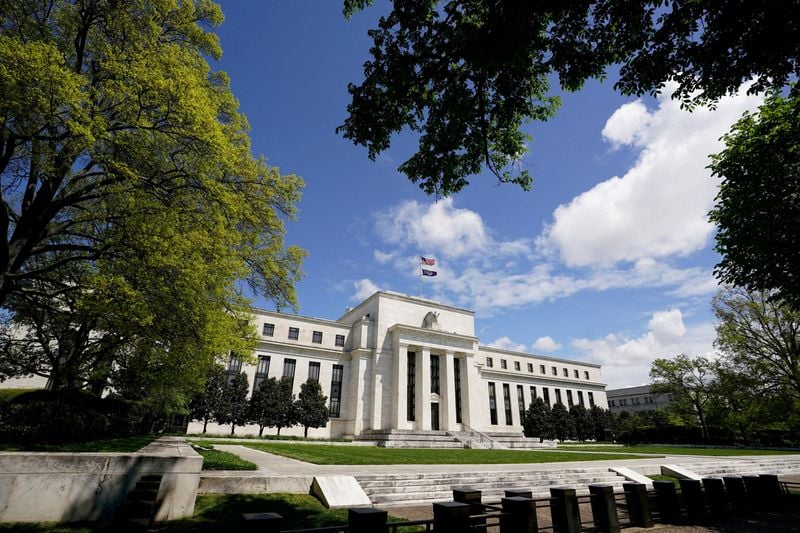
The Federal Reserve released the minutes of its July 2026 policy meeting on August 14, showing a noticeable uptick in concerns about inflation. While earlier in the year many members had argued that price pressures were easing, the latest discussion highlighted persistent supply‑chain bottlenecks and a surprising rebound in core services inflation.
Federal Open Market Committee (FOMC) participants noted that the recent Consumer Price Index (CPI) print, which rose 0.4% month‑over‑month, was “higher than expected” and that the underlying trend could still be above the 2% target. Several officials warned that premature easing could reignite inflation expectations, a scenario they are keen to avoid.
The minutes also recorded a split among members on the pace of future rate hikes. While a minority advocated for a pause to assess the impact of the last two 25‑basis‑point increases, the majority signaled readiness to continue tightening if inflation does not move decisively lower.
Why the shift matters for global monetary policy
The Fed’s stance sets the benchmark for interest rates worldwide, influencing borrowing costs in emerging markets that hold dollar‑denominated debt. A more hawkish tone raises the odds that the Fed will keep the federal funds rate near 5.25% through the end of 2026, extending the period of high global financing costs.
Higher U.S. rates tend to strengthen the dollar, which in turn makes external debt repayments more expensive for countries that have borrowed in dollars. The added pressure can force governments to re‑budget, cut spending, or seek concessional financing, all of which have downstream effects on public services and growth.
Moreover, the Fed’s outlook feeds into commodity pricing. A stronger dollar often depresses the price of oil and other export commodities that many African economies rely on, creating a double‑edged challenge of higher debt service and weaker export earnings.
Immediate implications for African economies
Several African nations—Nigeria, Kenya, Ghana, and South Africa among them—carry sizable dollar‑denominated sovereign bonds. A sustained Fed tightening cycle could raise the cost of rolling over these bonds, tightening fiscal space just as many governments are still recovering from pandemic‑related deficits.
Currency markets have already reacted. The Nigerian naira and the Ghanaian cedi have slipped modestly against the dollar since the minutes were published, reflecting investor anxiety about future capital outflows. A weaker local currency amplifies inflation at home, especially for imported food and fuel, which already strain household budgets.
Remittance flows, a lifeline for millions of African households, could also feel the squeeze. Higher U.S. rates tend to reduce disposable income for diaspora workers, potentially lowering the volume of money sent back to Africa. According to data from the World Bank, remittances to Sub‑Saharan Africa accounted for roughly $60 billion in 2025; even a 5% dip would mean a $3 billion shortfall.
Reactions from African central banks and investors
Central banks across the continent have started to adjust their own policy outlooks. The South African Reserve Bank’s governor, Lesetja Kganyago, warned that “global rate dynamics will shape our own decisions on the repo rate” and hinted at a possible pre‑emptive hike if the rand continues to weaken.
Local investors are re‑balancing portfolios toward assets perceived as less vulnerable to dollar‑linked shocks. In Lagos, fund managers have increased exposure to short‑duration government bills and to regional equities that generate revenue in hard currencies. Meanwhile, diaspora investors are scrutinising the cost of borrowing for real‑estate projects in Nairobi and Accra, where higher U.S. rates could raise mortgage financing rates.
Some analysts, such as those at African Development Bank, argue that the current environment underscores the need for more sovereign debt in local currency. They point to successful pilot programs in Rwanda and Ethiopia that issued bonds denominated in the Rwandan franc and Ethiopian birr, respectively, reducing exposure to external rate swings.
What could happen next and how Africa can prepare
If the Fed maintains a restrictive path, African policymakers may have to tighten their own monetary stance sooner than planned, risking slower growth. However, a coordinated approach—such as regional swap lines or multilateral financing facilities—could mitigate the impact of a strong dollar on debt servicing.
Countries with higher fiscal buffers, like Botswana and Mauritius, are better positioned to absorb higher external financing costs. Those with limited buffers may need to accelerate structural reforms, diversify export baskets, and deepen domestic capital markets to reduce reliance on foreign borrowing.
For the diaspora, the key takeaway is to monitor the cost of cross‑border transfers and to consider hedging strategies for dollar‑linked investments. Financial platforms that offer real‑time FX hedging and low‑fee remittance corridors could become increasingly valuable as volatility rises.
Quick Answers
How will the Fed's July 2026 inflation concerns affect African currencies?
Higher U.S. rates typically strengthen the dollar, putting downward pressure on African currencies and raising the cost of dollar‑denominated debt.
Will African sovereign debt become more expensive to service because of the Fed's stance?
Yes, continued Fed tightening can increase the interest burden on African countries that owe money in dollars, tightening fiscal space.
What steps can African central banks take to cushion the impact of a tighter Fed?
They can consider modest rate hikes, expand local‑currency bond issuance, and work on regional swap arrangements to reduce dollar exposure.
Source: www.investing.com




💬 Comments 0