FIFA denies Morocco picked for 2030 World Cup final – implications for Africa
Background: The 2030 World Cup bid landscape
The centennial edition of football's flagship tournament has become a geopolitical chessboard, with three main joint bids on the table: a South American trio (Uruguay, Argentina and Paraguay), a Europe‑Africa partnership (Spain, Portugal and Morocco) and a single‑nation proposal from Saudi Arabia. Each camp is trying to balance sporting legacy, commercial appeal and political goodwill, while FIFA’s executive committee keeps the final decision under wraps until the 2027 congress.
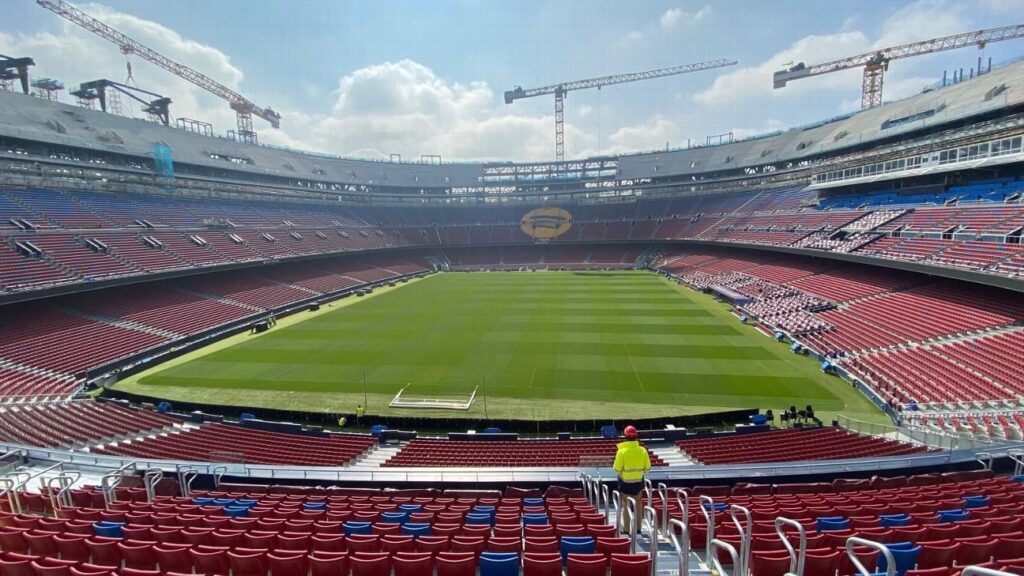
Morocco’s involvement in the joint bid was first announced in early 2023, positioning the North‑African nation as the African anchor. The partnership promises a shared final in a European stadium, but the exact venue – whether in Spain’s iconic Santiago Bernabéu or a new Moroccan arena – has been the subject of intense speculation ever since.
In the weeks leading up to the latest FIFA statement, social media feeds were flooded with leaked documents and anonymous insider posts claiming that the final had already been earmarked for Morocco. Those rumors prompted a flurry of commentary from African sports journalists, who argued that the decision would finally reward the continent’s long‑awaited chance to host a marquee match.
Morocco’s recent football push and why the final matters
Morocco has spent the last decade building world‑class infrastructure: the new Casablanca stadium, upgraded training facilities and a revamped domestic league that attracted European talent. The country also hosted the 2022 African Nations Championship and the 2025 CAF Champions League final, showcasing its ability to manage high‑profile events.
Securing the 2030 final would be more than a trophy‑case addition; it would cement Morocco’s status as the gateway between Europe and Africa in football governance. The nation’s Football Federation has repeatedly argued that a final on African soil would send a powerful message about the continent’s readiness to host mega‑events, potentially paving the way for a full‑scale World Cup bid in the 2040s.
For the African diaspora, especially in Europe and North America, a final in Morocco would create a cultural pilgrimage. Fans who have long travelled to Europe for the World Cup could instead rally around a familiar, culturally resonant host, strengthening community bonds and boosting tourism revenue for the country.
What FIFA’s statement really signals
When FIFA announced on Thursday that the decision on the 2030 final “will be made in due course,” it effectively put a pause on the rumor mill without confirming or denying any specific venue. The wording mirrors past FIFA communications that leave room for political negotiation while avoiding premature commitments.
Industry insiders say the statement is a diplomatic maneuver to keep all three bidding blocs hopeful, thereby preserving the bargaining power of the executive committee. According to a source close to the negotiations, the committee is still weighing the commercial benefits of a European stadium against the symbolic value of an African final.
The lack of a definitive answer also buys FIFA time to address logistical concerns such as stadium capacity, security protocols and broadcast infrastructure. Those factors will be especially scrutinised given the heightened expectations for a centennial edition that aims to outdo the record‑breaking 2022 tournament in Qatar.
Economic and diplomatic stakes for Africa and the diaspora
A final in Morocco would unlock a cascade of economic opportunities. Preliminary estimates from the Moroccan Ministry of Tourism suggest that a single World Cup final could generate between $500 million and $1 billion in direct spending on hotels, transport and hospitality, with spill‑over effects for neighboring Algeria, Mauritania and the broader Maghreb region.
Beyond dollars, the event would amplify Africa’s soft power. Hosting a marquee match under the global spotlight would allow African football administrators to showcase the continent’s capacity for world‑class event management, potentially influencing future FIFA council votes on other tournaments such as the Women’s World Cup or the U‑20 World Cup.
For the diaspora, the final could become a rallying point for investment. Nigerian, Ghanaian and South African entrepreneurs based in Europe have already expressed interest in sponsoring fan zones and cultural festivals that would accompany the match, turning the sporting spectacle into a broader showcase of African creativity and enterprise.
Reactions across the continent and what could follow
African media outlets responded with a mixture of disappointment and cautious optimism. South Africa’s *Times* called the FIFA clarification “a missed opportunity to finally celebrate African football on the biggest stage,” while Kenya’s *Standard* highlighted the need for a “unified African voice” to push for a full‑tournament bid rather than a single final.
Political leaders also weighed in. Morocco’s King Mohammed VI, speaking at a press conference, reiterated the country’s commitment to the joint bid and urged FIFA to recognise “the historic significance of bringing the centenary final to Africa.” Meanwhile, the African Union’s sports commission issued a statement urging the continent’s football federations to collaborate on a continent‑wide development plan that could complement the World Cup ambitions.
If FIFA ultimately selects a European venue for the final, the backlash could fuel a stronger push for a separate African bid for the 2042 tournament, a timeline already discussed in CAF’s strategic documents. Conversely, a Moroccan final would likely accelerate infrastructure projects and could lead to a renegotiation of revenue‑sharing models between CAF and FIFA.
Looking ahead: Scenarios for the 2030 tournament
Three realistic outcomes are emerging. First, FIFA could award the final to Spain, keeping the event fully European and preserving the status quo of revenue streams. Second, a compromise could see the final staged in a newly built Moroccan stadium, with the rest of the tournament split between Spain and Portugal, a model that would test joint‑host logistics. Third, a surprise decision could push the final to a neutral third country, a move that would likely trigger legal challenges from both the European and African camps.
Each scenario carries distinct implications for African football development. A Spanish final would maintain the perception that Africa remains a peripheral partner, while a Moroccan final would boost the continent’s negotiating leverage in future FIFA councils. A neutral venue could open the door for other African nations to step forward with their own bids, especially if CAF decides to present a united front for a 2042 World Cup.
For now, African fans, investors and policymakers will watch FIFA’s timeline closely, preparing contingency plans that range from marketing campaigns for a Moroccan final to lobbying strategies for a later full‑continent bid. The centennial edition may still be a year away, but the decisions made today will shape the trajectory of African football for decades to come.
Quick Answers
Has FIFA confirmed which country will host the 2030 World Cup final?
No, FIFA said the decision will be made "in due course" and has not confirmed the final venue.
What would a 2030 World Cup final in Morocco mean for African football?
It would highlight Africa’s capability to host marquee matches, boost tourism revenue and strengthen the continent’s bargaining power with FIFA.
How could the final impact the African diaspora?
The diaspora could benefit from increased travel, cultural events, and business opportunities linked to a high‑profile tournament in Morocco.
Source: www.espn.com




💬 Comments 0