Fire at nursing home in Araucanía, Chile kills 16 residents – what the tragedy reveals about elder‑care safety
Background: Chile’s ageing boom and the rise of private care homes
Chile is rapidly becoming one of Latin America’s most aged societies. By 2026, more than 15% of the population is over 65, a share that is expected to climb to 20% by 2035. The demographic shift has spurred a surge in private nursing homes, many of which operate under loosely regulated contracts with the public health system. Investors see the sector as a growth market, while families increasingly rely on these facilities for long‑term care, especially in the central and southern regions where public options are scarce.
The regulatory framework governing fire safety in Chile’s elder‑care facilities dates back to a 2005 decree that set basic sprinkler and alarm requirements. However, enforcement has been uneven, with many smaller homes exempted from periodic inspections due to budget constraints or bureaucratic delays. The gap between rapid market expansion and outdated oversight has created a vulnerability that experts say mirrors challenges faced in other emerging economies.
The tragedy: How the blaze unfolded on a quiet night
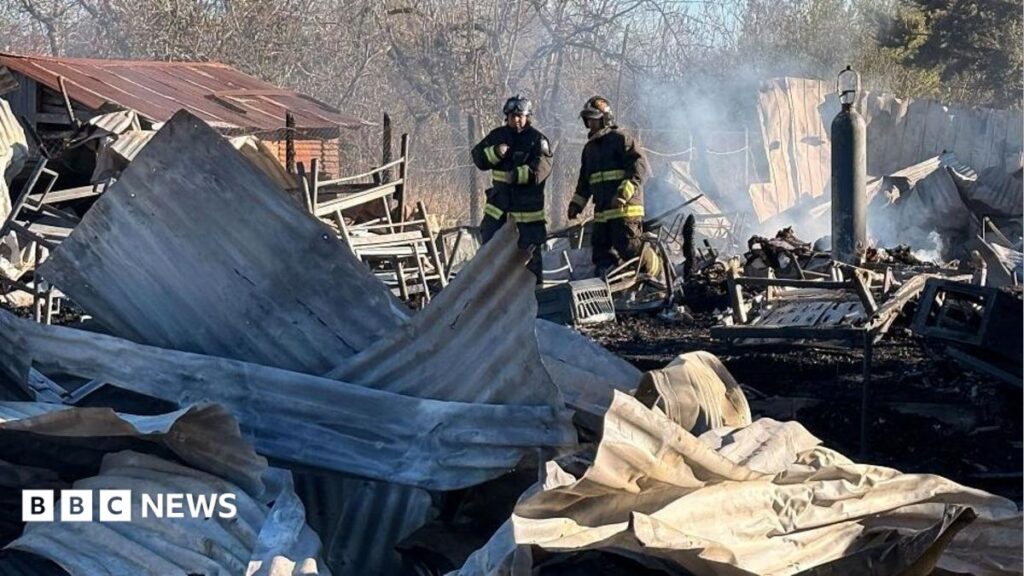
On the night of September 11, 2026, a fire erupted in the living quarters of a nursing home located near the city of Temuco, the capital of the Araucanía region. Witnesses reported hearing a loud crackling sound followed by the smell of burning insulation. By the time the building’s alarm system activated, flames had already breached the main hallway, cutting off several exit routes.
Emergency crews arrived within minutes, but thick smoke and a collapsed ceiling hampered rescue efforts. Ten residents were evacuated alive, but sixteen elderly occupants—most of them in their 80s and 90s—succumbed to the flames or inhalation of toxic fumes. The fire was finally contained after three hours, leaving the facility gutted and the community in shock.
Immediate aftermath: Rescue, investigations and community response
Local authorities launched a joint investigation involving the fire brigade, the Ministry of Health and the National Institute of Standards. Early reports suggest that the building lacked a functional sprinkler system and that fire doors were either missing or blocked, a violation of the 2005 safety code. The families of the victims gathered outside the site, demanding accountability and a transparent inquiry.
The Chilean Red Cross set up a temporary shelter for displaced residents and offered counseling services to grieving relatives. Social media erupted with tributes and calls for stricter oversight, while opposition politicians used the incident to criticize the current administration’s handling of health‑care infrastructure. The mayor of Temuco announced a city‑wide audit of all elder‑care facilities within the next two weeks.
Why it matters: Safety gaps, regulatory fatigue and lessons for the region
The fire spotlights a systemic weakness: rapid privatization of elder‑care services without commensurate upgrades to safety standards. In Chile, the public health system subsidizes many private homes, yet the funding streams rarely cover capital‑intensive upgrades like fire‑suppression systems. This creates a perverse incentive where operators prioritize occupancy over compliance, a pattern echoed in other Latin American countries undergoing similar demographic transitions.
Beyond Chile, the incident offers a cautionary tale for African nations that are also confronting a growing elderly population. South Africa, Kenya and Nigeria have reported several facility fires in the past decade, often linked to inadequate fire exits and outdated wiring. As African governments contemplate expanding long‑term care, the Chilean tragedy underscores the need to embed robust safety protocols from the outset, rather than retrofitting them after a disaster.
Broader pattern: Global rise in care‑home fires and the search for solutions
Statistical reviews by the World Health Organization indicate that care‑home fires account for roughly 30% of all fire‑related deaths among seniors worldwide. In Europe, the implementation of mandatory sprinkler systems after high‑profile incidents in the 2010s has cut fatalities by more than half. In contrast, many middle‑income regions still lack such mandates, leaving vulnerable populations exposed.
Innovations are emerging to bridge the gap. Low‑cost fire‑detection sensors that integrate with mobile alerts are being piloted in Brazil’s São Paulo state, while a South African non‑profit is training staff in rapid evacuation drills using virtual‑reality simulations. If Chile adopts similar measures—such as retrofitting older buildings with affordable sprinkler kits and mandating quarterly fire drills—it could set a regional benchmark that African policymakers might emulate.
What’s next: Policy reforms, accountability and preventive action
The Chilean government has pledged to tighten enforcement of the 2005 fire‑safety decree, proposing a new law that would require all nursing homes with more than ten beds to install automatic sprinklers within 12 months. A parliamentary committee is also reviewing the licensing process to ensure that facilities cannot operate without passing a comprehensive safety audit.
Legal experts warn that families may file civil suits against the home’s operators and possibly the municipal authorities for negligence. Meanwhile, advocacy groups are urging the Ministry of Health to create a publicly accessible registry of care‑home safety ratings, a tool that could empower families to make informed choices. If these reforms are enacted swiftly, they could not only prevent another tragedy in Chile but also provide a template for other nations wrestling with the twin challenges of an aging populace and under‑regulated elder‑care sectors.
Quick Answers
How many residents died in the Araucanía nursing home fire?
Sixteen elderly residents lost their lives in the blaze.
Where did the fire at the Chilean nursing home occur?
The fire broke out at a nursing home near Temuco in Chile’s central Araucanía region.
What policy changes are expected after the tragedy?
Chile plans to mandate sprinkler systems for all larger nursing homes, tighten fire‑safety inspections and create a public registry of facility safety ratings.
Source: www.bbc.co.uk



💬 Comments 0