Flash Flooding Halts Bronx Half-Marathon, Submerges Cars in NY, NJ, CT – 2026 Weather Crisis
A sudden storm overwhelms the tri‑state area
On the morning of September 13, a fast‑moving low‑pressure system slammed the New York‑New Jersey‑Connecticut corridor with intense rain. Meteorological models had warned of a “training‑to‑exceed” event, but the downpour intensified far quicker than most residents expected, dumping more than two inches of rain within an hour across parts of the Bronx, Newark and Bridgeport. The National Weather Service issued flash‑flood warnings at 7:45 a.m., yet many commuters were already on the roads when the water levels began to rise.
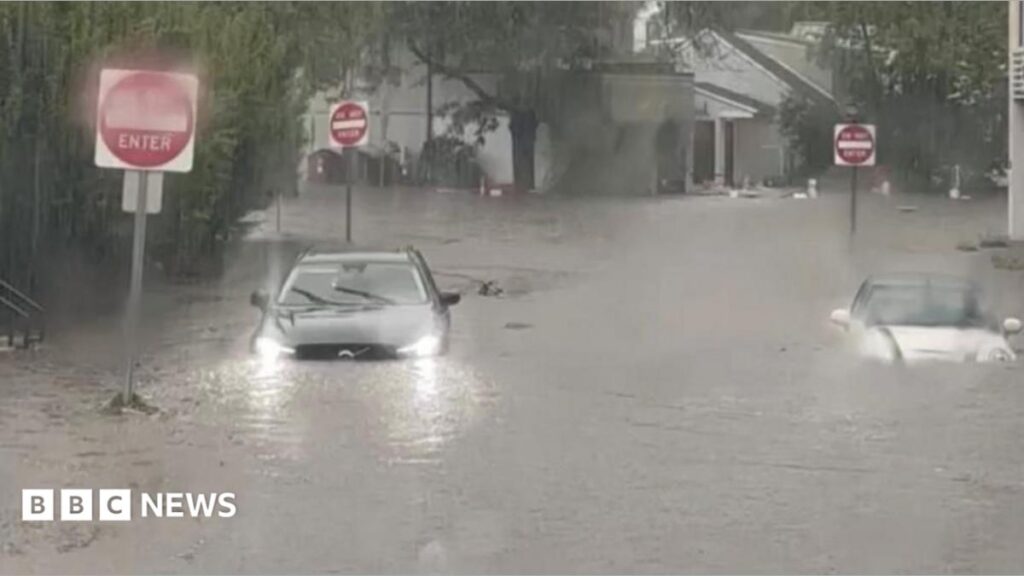
City streets that normally drain in minutes turned into rapid streams, overwhelming storm‑drain capacity that had not been upgraded since the 1990s. In the Bronx, the Bronx River overflowed its banks, flooding nearby avenues and trapping vehicles in several inches of water. Similar scenes unfolded in Newark’s Ironbound district and in Connecticut’s coastal towns, where flash‑flood rescue teams were dispatched within minutes of the first emergency calls.
Runners and motorists caught in the flash flood
The unexpected deluge hit a local half‑marathon that started at 9 a.m. in the Bronx. Race organizers said more than 3,000 runners had assembled at the starting line when the first gusts of rain turned the route into a riverbed. Participants described the course as “a sprint through waist‑deep water,” with some shoes quickly filling with sand and mud. The race was officially halted after the 5‑kilometre mark, and volunteers redirected athletes toward higher ground while emergency crews set up temporary shelters.
At the same time, motorists found their cars partially submerged on streets that were suddenly impassable. Police reports indicate that over 150 vehicles were stranded in the Bronx, Newark and Bridgeport, many of which required water‑rescue extraction. Several drivers suffered minor injuries when their cars were swept into deeper channels, prompting the fire departments to launch boat‑based rescues—a rare sight in an urban setting.
Climate, infrastructure and the cost of delayed response
Experts say the incident underscores a growing mismatch between aging urban infrastructure and the frequency of extreme weather events linked to climate change. According to a recent report from the New York Climate Resilience Office, flash‑flood incidents have risen by 37 % in the region over the past decade, yet investment in storm‑water upgrades has lagged behind. The 2026 event exposed bottlenecks in the city’s drainage network, especially in low‑lying neighborhoods that have historically been under‑invested.
The economic fallout could be sizable. Preliminary estimates from the Tri‑State Economic Council suggest that the combined damage to vehicles, private property and public assets may exceed $12 million, not counting the loss of revenue from the cancelled race and disrupted commerce. Moreover, the emergency response stretched resources thin, forcing some neighborhoods to wait longer for assistance—a factor that could exacerbate health risks for vulnerable residents, including seniors and low‑income families.
African‑American and diaspora voices on the ground
New York’s African‑American community, which makes up a significant portion of the Bronx’s population, felt the impact acutely. Local churches and community centres, many run by African diaspora leaders, opened their doors as impromptu shelters, providing food, blankets and phone charging stations. Pastor Kwame Agyeman of the Bronx Gospel Fellowship said the flood highlighted “the resilience of our neighbourhood, but also the urgent need for city planners to listen to those who live on the front lines of climate risk.”
The half‑marathon also attracted a sizable contingent of African diaspora runners, many of whom travel from Lagos, Nairobi and Accra to compete in New York’s famed road races. Several participants posted on social media that the unexpected water crossing reminded them of similar conditions during the 2023 Nairobi Marathon, where sudden rain forced organizers to reroute the course. Their shared experience sparked an online conversation about how race organizers worldwide can better integrate real‑time weather monitoring and contingency plans.
Quick Answers
How many runners were affected by the flash‑flood at the Bronx half‑marathon?
More than 3,000 participants were on the course when the race was stopped, according to race organizers.
What caused the streets in New York, New Jersey and Connecticut to flood so quickly?
A fast‑moving low‑pressure system dumped over two inches of rain in less than an hour, overwhelming outdated storm‑drain systems.
Did the flooding have any specific impact on African‑American communities?
Local African‑American churches and diaspora groups opened shelters and highlighted the need for better climate‑resilient infrastructure in the Bronx.
Source: www.bbc.co.uk




💬 Comments 0