Flock AI Surveillance Network Expands in the US, Sparks 2026 Privacy Backlash
Background of Flock's AI Surveillance
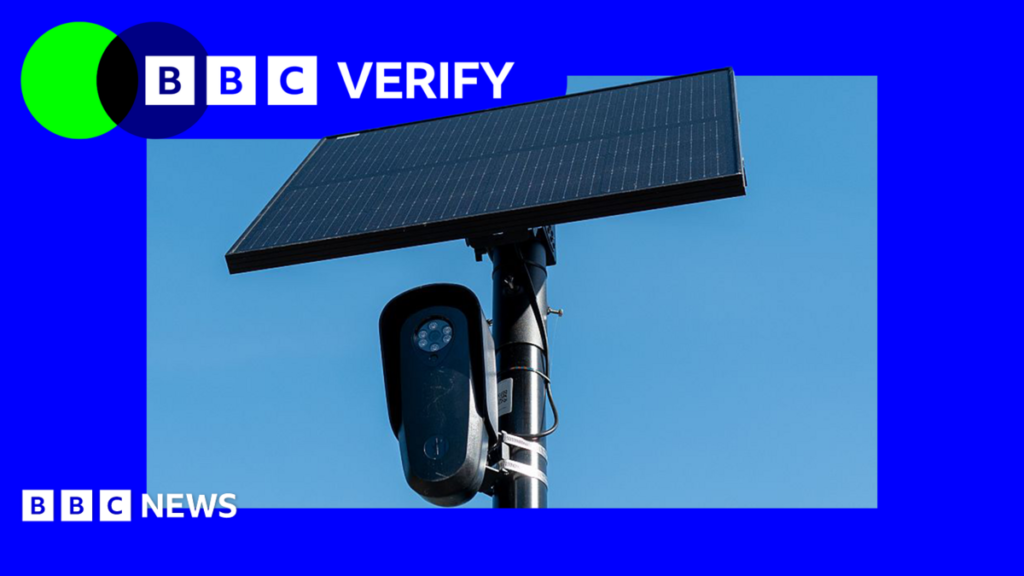
Flock, founded in 2019, has positioned itself as a leader in AI‑driven video analytics for public safety. The company deploys cameras equipped with facial recognition, anomaly detection, and crowd‑monitoring algorithms across cities, universities, and commercial venues. Its flagship platform promises real‑time alerts to law enforcement and security teams, aiming to reduce crime and improve emergency response.
Since its inception, Flock has partnered with over 30 municipalities and private enterprises in the United States. The firm claims its technology can identify suspicious activity within seconds, allegedly lowering response times by up to 40 percent. Despite its touted benefits, the company has faced criticism for its opaque data handling practices and the potential for algorithmic bias.
Recent Expansion and Rising Backlash
In early 2026, Flock announced a rapid rollout of its surveillance suite across 15 new U.S. cities, including several in the Midwest and Northeast. The expansion was backed by a $120 million investment from a consortium of venture capital firms and a state‑level public safety grant.
The announcement triggered immediate pushback from civil liberty groups. According to the American Civil Liberties Union, the new deployments would increase the number of cameras by 30 percent, raising concerns about mass surveillance and data misuse. The ACLU also highlighted that Flock’s facial‑recognition algorithms have shown higher error rates for people of color, a claim supported by a 2025 independent audit.
Public protests erupted in several cities, with demonstrators demanding stricter oversight, transparency reports, and the right to opt‑out of data collection. City officials, however, defended the expansion by citing rising crime rates and the need for modern policing tools.
Why the Backlash Matters
The controversy underscores a broader debate over AI in public spaces. Privacy advocates argue that continuous video monitoring erodes civil liberties, especially when data is stored indefinitely or shared with third parties.
Legal scholars point out that current U.S. privacy laws, such as the Fourth Amendment and the Electronic Communications Privacy Act, may not adequately address the nuances of AI‑powered surveillance. The lack of clear regulatory frameworks could lead to inconsistent enforcement and potential abuse.
From an ethical standpoint, the risk of algorithmic bias raises questions about fairness and due process. If facial‑recognition systems disproportionately misidentify minorities, they could contribute to wrongful detentions and reinforce systemic inequities.
Reactions from Stakeholders
Lawmakers in several states have called for hearings on AI surveillance. Senator Maria Torres of New York introduced a bill mandating independent audits of facial‑recognition systems before deployment. The bill also requires public disclosure of data retention periods and usage policies.
Civil society groups have organized town‑hall meetings to educate the public about the implications of AI surveillance. In Chicago, the community center hosted a panel featuring a former police officer, a data privacy expert, and a civil rights attorney.
Flock’s leadership has defended its technology as a “force multiplier” for law enforcement. CEO Daniel Kim stated in a press release that the company is “committed to responsible data stewardship” and is exploring partnerships with privacy‑enhancing technologies such as differential privacy. However, critics remain unconvinced, citing past incidents where Flock’s data was accessed by third parties without clear consent.
Implications for Africa and the Diaspora
While Flock’s operations are currently U.S.‑centric, the company’s data‑sharing agreements could have global reach. African nations that adopt similar AI surveillance solutions may unknowingly expose their citizens’ data to foreign entities.
African tech startups are increasingly entering the AI surveillance space, offering solutions tailored to local contexts. However, without robust data‑protection laws, these ventures risk becoming tools for state surveillance rather than community safety.
For the African diaspora, the growing prevalence of AI cameras in U.S. cities raises concerns about profiling and discrimination, especially in neighborhoods with high concentrations of Black and Latino residents. The backlash may prompt diaspora communities to advocate for stricter oversight and greater transparency from both local governments and technology providers.
What’s Next for Flock and the AI Surveillance Debate
The company faces a pivotal moment: either accelerate its compliance with emerging privacy standards or risk losing public trust and market share. Flock has announced plans to publish a transparency report next quarter, detailing data usage, retention, and third‑party access.
On the regulatory front, the U.S. Federal Trade Commission has signaled interest in investigating AI surveillance practices. A potential federal mandate could set minimum requirements for accuracy, bias mitigation, and data protection.
For African policymakers, the U.S. debate offers a cautionary tale. Nations like Kenya and Nigeria are exploring AI‑driven policing tools, and the international community is urging the adoption of ethical guidelines to prevent abuses. The outcome of Flock’s legal and public relations battles may shape the trajectory of AI surveillance worldwide.
Quick Answers
What is Flock's AI surveillance network?
Flock’s network consists of cameras equipped with facial‑recognition, anomaly detection, and crowd‑monitoring AI that provide real‑time alerts to law enforcement and security teams.
Why is there public backlash against Flock?
Critics cite privacy concerns, potential data misuse, and documented algorithmic bias that disproportionately misidentifies people of color as key reasons for the backlash.
How could Flock’s expansion affect African tech?
African startups entering AI surveillance may face similar privacy and bias challenges, and data‑sharing agreements could expose African citizens’ data to foreign entities, underscoring the need for robust local data‑protection laws.
Source: www.bbc.co.uk




💬 Comments 0