Florida teen arrested after Oct 2026 stadium shooting injures 12, including children
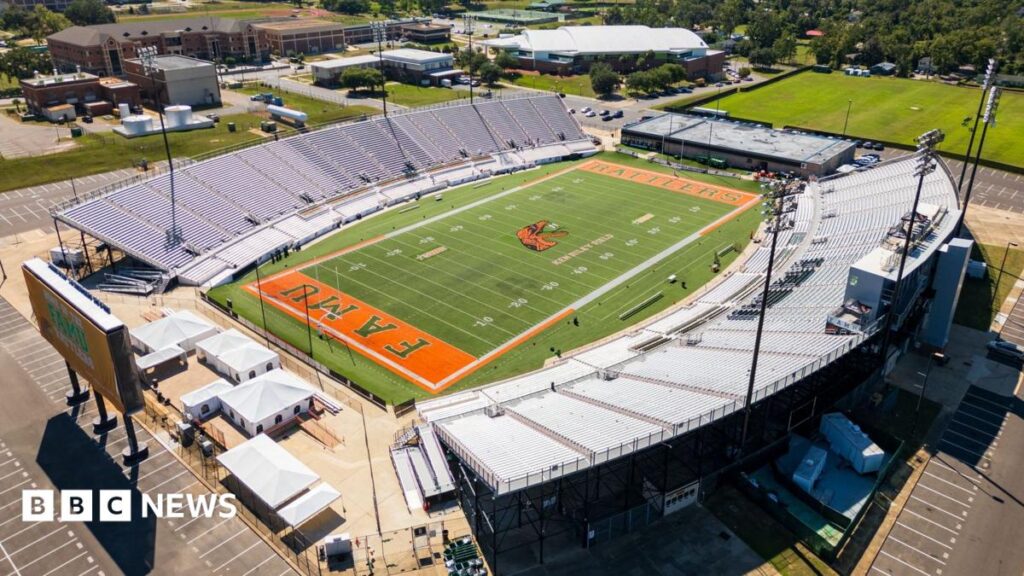
The night of the shooting: what unfolded near the stadium
On Saturday night, October 20, 2026, the area surrounding the newly built Everglade Stadium in Fort Lauderdale erupted in chaos after a series of gunshots rang out just minutes after a high‑school football game ended. Witnesses described hearing multiple bursts of fire followed by frantic screams, and many people fled the scene while others ducked behind the concrete bleachers. Emergency services were called at 10:14 p.m., and the first ambulances arrived within ten minutes, navigating a crowd that had swelled to several hundred onlookers.
Police later confirmed that at least twelve people were wounded, ranging from a six‑year‑old girl with a superficial graze to a 34‑year‑old man who suffered a gunshot wound to the abdomen. Hospital officials said five of the victims required surgery, while the rest were treated for minor injuries and released the following day. The incident has reignited concerns about safety protocols at public sporting venues, especially after a recent spate of shootings in and around stadiums across the United States.
The location of the attack – a public space that had just hosted a community football match – amplified the shock. The game, which drew families from nearby neighborhoods, had concluded without incident, and the sudden transition from celebration to violence left many questioning how quickly a safe environment can turn hostile. Local officials have promised a thorough investigation into the security gaps that allowed the shooter to fire from a concealed position near the stadium’s parking lot.
Who is the suspect and how police responded
Fort Lauderdale Police Department announced that a 17‑year‑old male, identified only as J.T. Miller pending a court order, was taken into custody early Sunday morning. According to a press release, officers located Miller near the stadium’s west entrance after receiving a tip from a civilian who recognized his hoodie from the night of the shooting. Miller was arrested without incident and transported to the county jail on charges that include attempted murder, aggravated assault, and illegal possession of a firearm by a minor.
Detectives say the weapon used was a semi‑automatic handgun that, according to a preliminary forensic report, had been modified with a high‑capacity magazine. The police have not disclosed whether the firearm was obtained legally or through illicit channels, but sources close to the investigation suggest the teen may have accessed the weapon through a family member’s gun collection, a scenario that mirrors many other youth‑involved shootings in the U.S.
Miller’s legal counsel, who requested anonymity for safety reasons, indicated that the teenager will be held without bail pending a preliminary hearing. The defense team plans to argue for a diversion program focused on rehabilitation, a strategy that has been employed in other cases involving juvenile offenders but remains controversial given the severity of the injuries inflicted.
Why this incident matters in the broader U.S. gun‑violence landscape
While the Fort Lauderdale shooting adds another tragic entry to the nation’s growing tally of mass‑shootings, it is notable for its proximity to a public sporting event – a setting that has increasingly become a target for gun violence. In the past three years, at least four high‑profile shootings have occurred either during or immediately after football, basketball, or baseball games, prompting city officials nationwide to reassess crowd‑control measures and the presence of armed security personnel.
The incident also highlights the persistent problem of under‑age access to firearms. Data from the Violence Policy Center shows that roughly 30 % of all gun‑related incidents involve shooters under 18, a statistic that fuels ongoing debates over background‑check loopholes and the so‑called “gun‑show loophole.” Advocacy groups such as Everytown for Gun Safety have cited the Fort Lauderdale case as evidence that existing federal restrictions are insufficient to keep firearms out of minors’ hands.
Political reactions have been swift. Governor Charlie Reed, a Republican, called for “enhanced security protocols at all public venues,” while Democratic leaders in the state legislature urged the governor to support a pending bill that would raise the minimum age for handgun possession to 21 and require safe‑storage training for all gun owners. The divergent responses underscore how each new shooting becomes a flashpoint in the broader partisan tug‑of‑war over gun legislation.
Ripple effects for African communities and the diaspora
The Fort Lauderdale incident resonated strongly within the African diaspora, many of whom have families residing in the city’s growing West African enclave. Community leaders from the Nigerian Association of South Florida posted a statement on social media expressing grief for the injured children and calling for “greater protection of our neighborhoods and schools.” Their appeal reflects a broader anxiety that gun violence disproportionately impacts immigrant families trying to establish safe, stable lives in the United States.
African‑American and African immigrant activists have also used the shooting to spotlight the intersection of gun violence with systemic inequities. According to a tweet from the Ghanaian‑American advocacy group Diaspora Voices, the incident “underscores how violence in the U.S. spills over into our diaspora, affecting the safety of our children and the mental health of our communities.” The group urged U.S. policymakers to consider the unique vulnerabilities of immigrant neighborhoods, which often lack the political clout to demand immediate security upgrades.
Beyond emotional reactions, the shooting may have economic implications for African entrepreneurs who rely on local sporting events for business. Food stalls, apparel vendors, and cultural performers that regularly set up near stadiums reported a sharp decline in bookings for the remainder of the season, fearing that future events could be marred by similar threats. This loss of income adds another layer to the discussion about how gun‑related insecurity can ripple through minority‑owned micro‑enterprises.
What comes next: policy debates, security upgrades, and community action
In the immediate aftermath, Fort Lauderdale city officials have pledged to install additional surveillance cameras around the stadium’s perimeter and to increase the number of trained security officers on game days. A task force comprising police, school officials, and community representatives will convene next week to draft a “stadium safety blueprint,” which could become a model for other municipalities facing similar threats.
At the state level, the pending gun‑control bill mentioned earlier is expected to face a heated floor debate in the upcoming legislative session. If passed, the law would not only raise the minimum age for handgun ownership but also impose mandatory safe‑storage penalties for households where minors can access firearms. Critics argue that the measure could criminalize responsible gun owners, while supporters contend that it is a necessary step to prevent tragedies like the Fort Lauderdale shooting.
Grassroots organizations are already mobilizing. A coalition of youth groups, churches, and immigrant associations announced a series of town‑hall meetings aimed at fostering dialogue between law‑enforcement and the communities most affected by gun violence. Their goal is to create a channel for residents to voice concerns, propose concrete security solutions, and build trust—a strategy that has shown promise in other cities that have successfully reduced gun‑related incidents through community‑led initiatives.
Quick Answers
Who was arrested after the Florida stadium shooting that injured 12 people?
A 17‑year‑old male, identified as J.T. Miller, was taken into custody by Fort Lauderdale police on charges including attempted murder and illegal possession of a firearm.
How many children were injured in the Fort Lauderdale stadium shooting?
Two children were among the twelve injured; one was a six‑year‑old girl with a superficial wound.
What new security measures are being considered for Florida stadiums after the shooting?
City officials plan to add more surveillance cameras, increase on‑site security personnel, and develop a stadium safety blueprint in collaboration with community groups.
Source: www.bbc.co.uk




💬 Comments 0