Football Halloween 2026: James Rodríguez’s Joker Look, African Stars Join the Spook, and What It Means for Fans
Halloween becomes a football marketing staple
Since the early 2010s, clubs have treated Halloween like a mini‑season opener, rolling out themed graphics, videos and giveaways to keep fans glued to their feeds. The practice grew from simple costume posts by players to coordinated brand‑wide campaigns that blend humor, nostalgia and product placement.
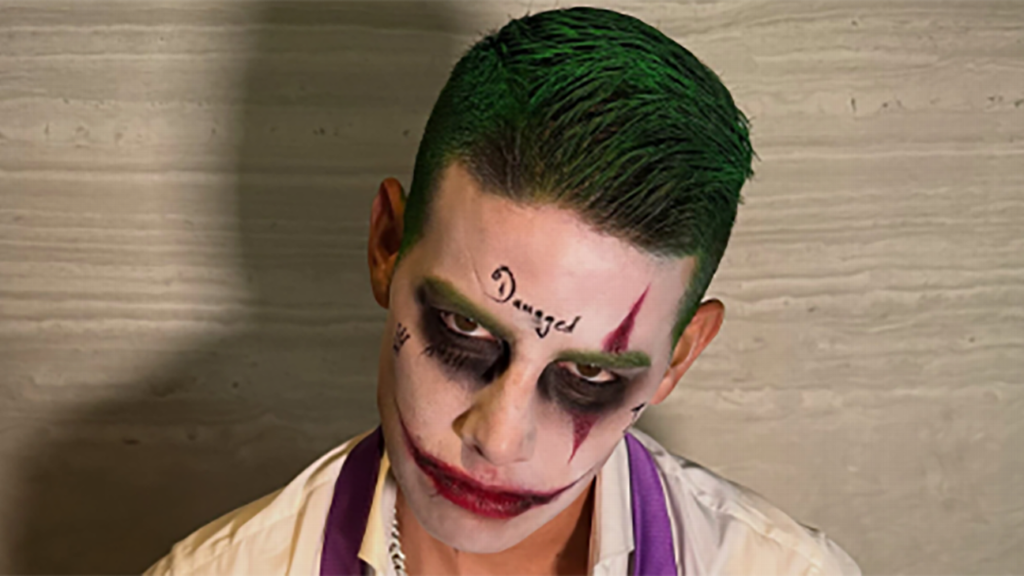
In 2026 the trend reached new heights as top‑tier stars across Europe and South America deliberately crafted elaborate personas – James Rodríguez turned into a Joker‑style trickster, while Lucas Hernández embraced a vampire aesthetic dubbed “DracuLucas”. These stunts are not just for laughs; they are calculated moves to generate buzz, increase social‑media impressions and drive ancillary revenue.
Social media as a direct‑to‑fan sales channel
Platforms such as Instagram, TikTok and X have become the primary arena where clubs sell limited‑edition merch. A single Halloween post can trigger a surge of orders for specially printed jerseys, face‑paint kits or even NFTs that capture the player’s costume in a digital collectible.
Data from a 2025 study by Nielsen Sports showed that clubs that released Halloween‑themed items saw a 12% lift in online sales compared with the same period in the previous year. The spike is amplified when the post originates from a player’s verified account, because followers treat the content as an endorsement rather than a generic advertisement.
Why African fans and players matter in the Halloween hype
Africa is home to more than 1.2 billion football fans, a market that clubs are eager to tap. When African stars such as Sadio Mané, Mohamed Salah or Riyad Mahrez share Halloween memes, the engagement rates in Nigeria, Ghana and Egypt often outpace those of European counterparts, according to analytics firm Socialbakers.
The continent’s love for visual storytelling means that costume posts become viral fodder on WhatsApp groups and local radio shows. In Nigeria, a recent study by the Lagos Institute of Media found that 68% of respondents said a player’s Halloween picture influenced their decision to buy club merchandise, highlighting a direct link between the stunt and revenue streams in African markets.
Commercial ripple effects – sponsors, broadcasters and streaming platforms
Brands are quick to latch onto the Halloween wave. In 2026, Coca‑Cola partnered with Manchester City to release a limited‑edition “Spooky Goal” can featuring the club’s mascot in a ghost costume, while the club’s Halloween video generated 4.3 million views within 24 hours. Such collaborations turn a seasonal joke into a measurable marketing asset.
Broadcast rights holders are also experimenting. A few leagues have begun inserting short Halloween‑themed segments between live matches, offering advertisers premium inventory that reaches both domestic viewers and the growing African diaspora audience on satellite and streaming services.
What’s next – the future of festive football content
Experts predict that clubs will move beyond static images to immersive experiences. Augmented‑reality filters that let fans dress up as their favourite player’s Halloween avatar are already being tested by clubs in South Africa and Brazil, according to a report by Deloitte Digital.
If the trend continues, Halloween could become a quarterly checkpoint for clubs to assess fan sentiment, test new product lines and even gauge political goodwill in regions where football is tied to national identity. For African fans, the evolution promises more locally relevant content, potentially co‑created with regional influencers and artists.
Quick Answers
Which football player dressed as the Joker for Halloween 2026?
James Rodríguez posted a Joker‑inspired costume on Instagram, becoming one of the most talked‑about Halloween looks of the year.
How does Halloween content affect football merchandise sales in Africa?
A 2025 Nielsen Sports study showed a 12% increase in online sales during Halloween, with African fans especially responsive to player‑driven costume posts.
What new technology are clubs testing for future Halloween campaigns?
Clubs in South Africa and Brazil are piloting AR filters that let fans virtually wear the same Halloween outfits as their favourite players.
Source: www.espn.com




💬 Comments 0