French FA withdraws support for Gianni Infantino’s 2027 FIFA re‑election bid
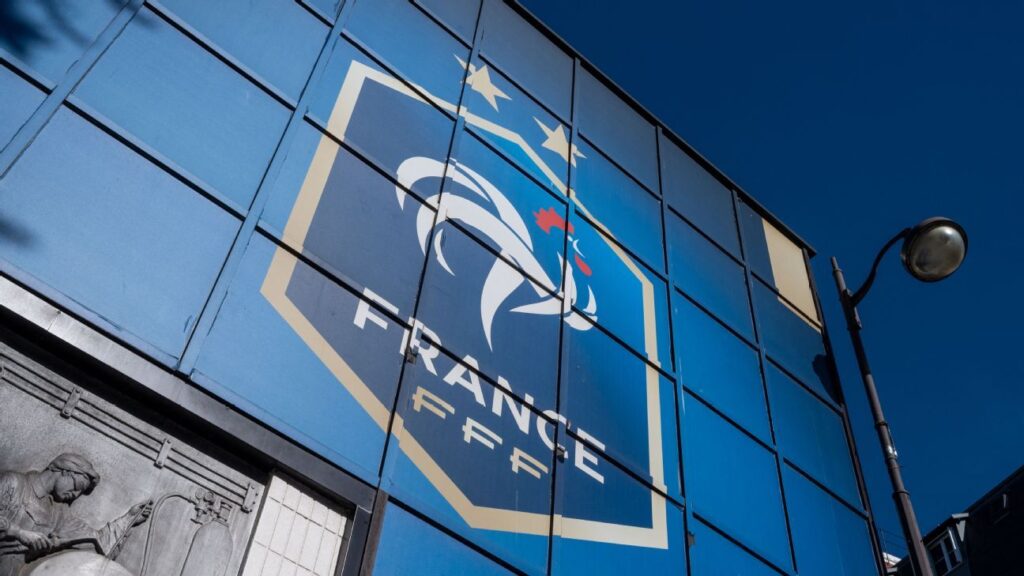
A shifting alliance: the French FA and FIFA’s power play
The French Football Federation (FFF) has been a reliable ally of Gianni Infantino since he took over FIFA in 2016, backing his agenda on expanding the World Cup and commercialising the sport. Over the past decade the partnership helped France secure a prominent voice in the global body, from influencing tournament calendars to shaping the new Club World Cup format. This historic alignment made the recent withdrawal of support a startling departure from the status quo.
Infantino’s re‑election campaign for 2027 hinges on a coalition of European federations, the Gulf states, and a handful of African associations that have benefited from his development grants. The French move comes just weeks before the FIFA Congress in Doha, where the vote will be decided, and it signals that the European bloc may be fracturing at a crucial moment. Analysts say the FFF’s decision could open space for rival candidates to court undecided members.
The timing is also significant because the French federation is currently grappling with its own governance reforms, after a series of scandals involving player contracts and youth academy funding. By distancing itself from Infantino, the FFF hopes to signal independence and a willingness to renegotiate its terms with FIFA, especially around the distribution of the lucrative World Cup hosting revenues that France will share as a 2026 World Cup co‑host.
Why the withdrawal matters beyond Europe
Infantino’s tenure has been marked by an aggressive push to commercialise football, a strategy that has paid off in record revenues but also raised concerns about the marginalisation of smaller federations. The French pull‑out could embolden other members, particularly in Africa, to demand a more equitable share of the financial pie. CAF President Patrice Motsepe, who announced his candidacy for FIFA president earlier this year, has repeatedly warned that the current model favours wealthier confederations.
If the French vote swings away from Infantino, the balance of power at the 2027 Congress could tilt toward a coalition that includes African, Asian, and South American federations. Such a shift would likely revive debates on topics that have long been sidelined, like increasing the number of slots for African nations at the World Cup and reforming the World Cup qualification calendar to reduce travel burdens on African teams.
Moreover, the French decision may affect the flow of development money that FIFA channels through its Forward Programme. Africa currently receives roughly 30% of the programme’s $1 billion budget, but critics argue that the funds are unevenly allocated. A new president could renegotiate the formula, potentially unlocking more resources for grassroots projects in Lagos, Nairobi, and Accra.
African football’s stake in the upcoming election
African football has been watching the FIFA election closely ever since the Confederation of African Football (CAF) secured a historic deal in 2024 that gave the continent a permanent slot on the FIFA Council. That seat, however, does not guarantee influence over the presidency, where decisions on revenue distribution and tournament formats are made. With the French federation stepping back, African delegates see a strategic opening to rally behind Motsepe or another African candidate.
The potential rise of an African president would have concrete implications for the continent’s clubs and national teams. For instance, the Club World Cup expansion, which currently favours European and Middle Eastern clubs, could be re‑balanced to include more African champions, boosting exposure and sponsorship for teams like Al Ahly or Mamelodi Sundowns. Additionally, a president with a deeper understanding of African football’s logistical challenges could push for a revised World Cup qualification schedule that minimises long‑haul flights and aligns better with domestic leagues.
Beyond the boardroom, the African diaspora in Europe and North America follows these developments with keen interest. Many diaspora clubs rely on FIFA’s funding streams for youth development programmes. A shift in leadership could translate into more grant opportunities for diaspora‑run academies, strengthening the talent pipeline that feeds both European clubs and African national sides.
Reactions from other federations and the road ahead
Following the FFF’s announcement, several UEFA members issued cautious statements, emphasizing the need for “unity” while hinting at possible renegotiations of voting blocs. The English FA, for example, said it would “evaluate its position” after consulting with its European partners. In contrast, the Gulf Football Associations, which have been Infantino’s staunchest supporters, reiterated their commitment to his vision, underscoring the geopolitical dimension of the vote.
Within Africa, CAF officials praised the French move as “a sign that the old guard is losing its grip.” Sources close to the Motsepe campaign said they are preparing a coordinated outreach to French delegates, offering collaborative projects on women’s football and climate‑friendly stadium initiatives as potential bargaining chips. The outreach reflects a broader trend where African federations are leveraging soft‑power assets—such as youth development expertise and growing fan bases—to negotiate political capital.
The next few weeks will be crucial. The FIFA Congress in Doha, scheduled for November 2026, will host the formal nomination process, after which candidates must secure a two‑thirds majority to win. If Infantino fails to rally enough support, the election could go to a second round, where African and Asian votes become decisive. Observers predict a marathon of behind‑the‑scenes lobbying, with the French federation likely playing a king‑maker role.
What comes next for African football and global governance
Should an African candidate ascend to the FIFA presidency, the continent could see a recalibration of power that extends beyond tournament slots. Experts anticipate a stronger push for transparent governance, anti‑corruption measures, and a re‑allocation of the Forward Programme that prioritises infrastructure in under‑served regions. This could accelerate stadium upgrades in West and Central Africa, creating jobs and boosting local economies.
Even if Infantino retains the seat, the French withdrawal will have forced him to address the grievances of African federations more directly. In practice, this may mean earlier implementation of the “Africa‑first” clause that was floated during the 2024 CAF‑FIFA summit, which proposes a minimum of two World Cup qualification windows dedicated to African teams each cycle.
For fans, players, and the diaspora, the outcome will shape the narrative of African football for the next decade. A more inclusive FIFA could translate into higher visibility for African leagues on global streaming platforms, increased sponsorship for women’s football, and a stronger voice for African coaches on the world stage. The French FA’s decision, therefore, is not merely a European political maneuver—it is a catalyst that could redefine the balance of power in world football.
Quick Answers
When did the French Football Federation announce it was withdrawing support for Gianni Infantino?
The French FA made the announcement on September 9, 2026, ahead of the FIFA Congress in Doha.
Which African candidate is running for FIFA president in 2027?
CAF President Patrice Motsepe announced his candidacy for the 2027 FIFA presidency.
How could a change in FIFA leadership affect African football development funds?
A new president could renegotiate the Forward Programme formula, potentially increasing the share of development money allocated to African federations and diaspora‑run academies.
Source: www.espn.com




💬 Comments 0