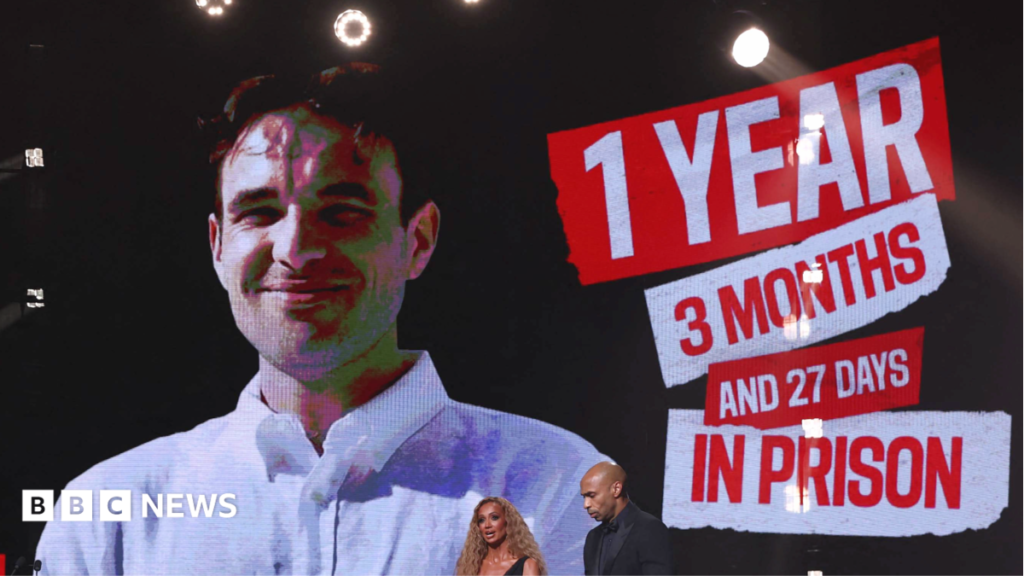
French sports journalist jailed in Algeria over Kabylie trip, faces terrorism charge
Background: Press freedom and Kabylie’s political climate
Kabylie, a mountainous region in northern Algeria, is home to a large Kabyle Berber population that has long pressed for greater cultural and linguistic rights. Since the 2019 Hirak protests that toppled long‑time President Abdelaziz Bouteflika, the Algerian state has tightened security measures in Kabylie, treating any independent reporting as a potential threat to national unity. International watchdogs such as Reporters Without Borders have repeatedly warned that Algeria’s anti‑terrorism legislation is often applied to silence dissent, especially in areas where separatist sentiments linger.
The country’s press freedom ranking has slipped in recent years, with journalists facing arbitrary detention, travel restrictions and heavy surveillance. In the sports arena, Algeria’s passion for football makes the region a hotspot for local clubs and talent scouting, drawing foreign reporters who want to capture the grassroots stories that feed the national team’s success. Yet the same enthusiasm can become a legal liability when authorities deem a journalist’s presence politically sensitive.
The arrest and the charges
According to French media reports, the journalist entered Kabylie in early October to interview a rising football star from a club in Tizi Ouzou. Border officials detained him at the Algiers airport on October 15, citing a breach of the “foreigners‑in‑sensitive‑areas” decree. He was subsequently transferred to a detention centre in Algiers and charged with “supporting terrorism” under Article 84 of the Algerian Penal Code, a charge that carries a potential sentence of up to fifteen years in prison.
Algerian authorities have not released a detailed indictment, but they allege that the reporter’s travel without prior authorization and his alleged contacts with local activists amount to material support for extremist groups. French diplomatic sources say the consular team has repeatedly requested access to the detainee, while the journalist’s union in France has called the accusation “baseless” and a misuse of anti‑terrorism law to intimidate foreign media.
Why the case matters for African journalism
Sports reporting is a vital conduit for African stories that often escape mainstream global coverage. When a foreign journalist is jailed for a routine interview, it sends a chilling signal to both international correspondents and African reporters covering the continent’s most popular sport. Local journalists may now face heightened scrutiny when they travel to contested regions, potentially limiting the flow of on‑the‑ground insights that feed narratives about African talent, league development, and fan culture.
The incident also dovetails with a broader pattern across the continent, where governments have invoked anti‑terrorism statutes to curb investigative work. Recent cases in Sudan, the Democratic Republic of Congo and Ethiopia show a growing willingness to criminalise ordinary reporting. If the Algerian precedent sticks, it could embolden other regimes to tighten travel permits for journalists, thereby narrowing the already thin window through which African sports stories reach global audiences.
Reactions from France, Algeria and the diaspora
France’s Ministry of Europe and Foreign Affairs issued a formal protest on October 18, demanding the journalist’s immediate release and a fair trial in accordance with international standards. Algerian officials responded that the matter is an internal security issue and that any external commentary must respect Algerian sovereignty. The Algerian Journalists’ Syndicate, however, issued a rare statement calling for “transparent legal procedures” and warning that the case could damage the country’s reputation as a host for major sporting events.
Among the Kabyle diaspora in France and Canada, social media erupted with hashtags demanding the journalist’s freedom and highlighting the broader oppression of Kabyle voices. Community leaders argue that the detention reflects a systematic attempt to silence the region’s cultural advocates, and they have organized petitions aimed at both the French and Algerian governments. The episode has therefore become a flashpoint for long‑standing grievances about identity, language rights and the legacy of colonial rule.
What could happen next? Legal and diplomatic pathways
Legal experts suggest that the journalist’s defence team will likely appeal for bail on humanitarian grounds, while simultaneously challenging the vague wording of the anti‑terrorism article used against him. If the case proceeds to trial, it could become a protracted legal battle that draws attention from human‑rights organisations and may pressure Algerian courts to apply a more nuanced interpretation of “support”. Meanwhile, French diplomats are expected to negotiate a possible prisoner‑exchange or a diplomatic solution that could see the journalist transferred to a French prison to serve any sentence, a practice occasionally used in similar cases.
Beyond the immediate legal outcome, the episode could catalyse reforms in how Algeria issues travel permits for journalists, especially those covering sports and culture in sensitive zones. International sporting bodies such as FIFA and CAF have already expressed concern that security‑related restrictions could jeopardise the smooth running of upcoming tournaments, including the 2027 African Cup of Nations. A diplomatic resolution that safeguards press freedom while addressing security concerns would therefore benefit not only journalists but also the broader African sports ecosystem.
Quick Answers
What are the official charges against the French journalist in Algeria?
He is accused of supporting terrorism for traveling to the Kabylie region without proper authorization.
How might this arrest affect foreign journalists covering sports in North Africa?
It could make reporters more cautious, limit on‑the‑ground coverage, and pressure news outlets to reassess security protocols.
What is the broader impact on France‑Algeria relations?
The incident adds strain to diplomatic ties already tense over migration, trade and legacy issues, prompting calls for consular assistance.
Source: www.bbc.co.uk



💬 Comments 0