French Train Derailment Probe Finds Rail Fragment; 44 Injured, Possible Sabotage in 2026
A rail system under the microscope
France’s high‑speed and regional rail network is among Europe’s most extensive, moving roughly 5 million passengers daily. Safety has traditionally been a point of pride, with the SNCF reporting an accident rate far below the global average. Yet the past decade has seen a gradual rise in incidents linked to infrastructure failures, prompting tighter inspections and the rollout of digital monitoring tools across the network.
The French government has also been pressured to tighten security after a series of terrorist attacks on public transport in the early 2020s. New legislation in 2023 mandated random track inspections and the deployment of sensors capable of detecting metal fragments or sabotage devices. These measures, while costly, were intended to reassure a travelling public that had grown wary of both accidental failures and deliberate threats.
The Friday crash: what we know so far
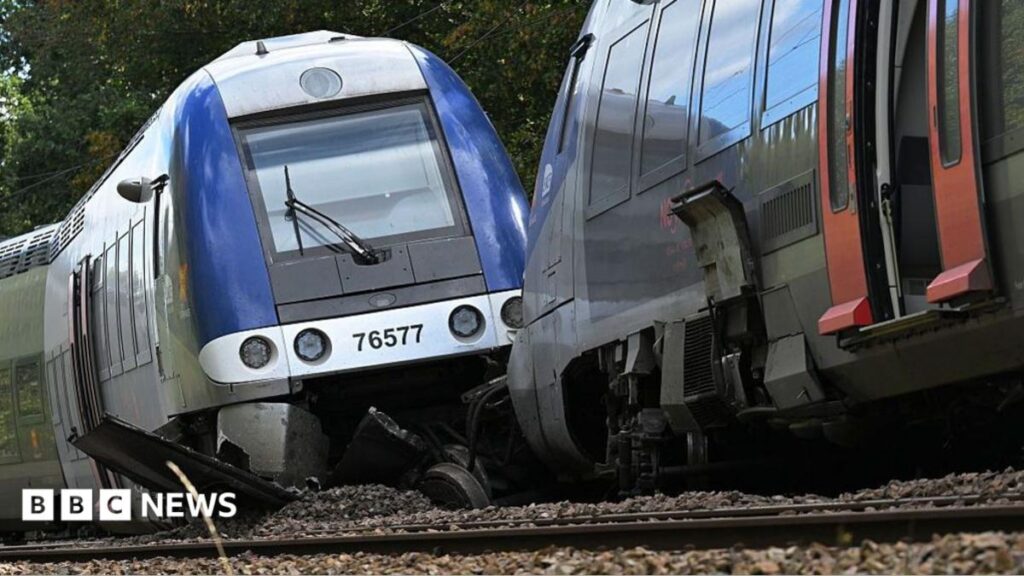
On Friday morning, a regional passenger train traveling between Lyon and Clermont‑Ferrand derailed near the small town of Saint‑Étienne. The train left the rails at a speed of about 80 km/h, causing carriages to tilt and some to overturn. Emergency crews rescued 44 passengers who suffered injuries ranging from minor bruises to broken limbs; all were taken to nearby hospitals, and none were reported dead.
Investigators quickly uncovered a suspicious piece of rail, roughly 30 centimetres long, wedged in the track a few metres before the point of derailment. The fragment bears the hallmarks of a deliberate cut, according to a preliminary forensic report. While the exact motive remains unclear, officials have opened a criminal investigation to determine whether the act was an act of vandalism, a political statement, or a more organized sabotage attempt.
Why the incident matters beyond the wreckage
If the fragment is confirmed to be the result of a malicious act, the derailment could trigger a cascade of policy shifts across the EU. Rail operators may be forced to accelerate the deployment of AI‑driven track‑monitoring systems, a technology still in pilot phases in several member states. Moreover, insurance premiums for freight and passenger services could rise, potentially inflating ticket prices for commuters and tourists alike.
The episode also revives a broader European debate about the balance between open transport networks and heightened security. Critics argue that excessive surveillance could erode civil liberties, while security experts warn that railways remain soft targets for extremist groups seeking high‑visibility attacks. The French case may become a reference point for other countries grappling with similar dilemmas.
African diaspora and trade: a hidden ripple effect
France hosts the largest African diaspora in Europe, with strong ties to countries such as Senegal, Côte d’Ivoire, and the Democratic Republic of Congo. Many community members rely on the national rail system for inter‑city travel, especially when connecting to international flights from Paris. Heightened security checks on trains could translate into longer wait times at stations, disproportionately affecting those who cannot afford private transport alternatives.
Beyond passenger movement, French rail freight is a critical artery for African imports, ranging from agricultural products to manufactured goods. A slowdown or rerouting of freight trains due to increased inspections could raise shipping costs, ultimately impacting prices of African commodities in European markets. Small‑scale exporters, who already navigate thin profit margins, may feel the pressure most acutely.
What’s next for the investigation and the rail sector
The judicial police, working with SNCF’s safety unit, will analyse the metal fragment for tool marks and DNA traces. A timeline released by the Ministry of Transport suggests a full forensic report within ten days, followed by a public hearing in the coming weeks. Should the act be linked to a known extremist group, French prosecutors could press terrorism charges, a move that would set a precedent for rail‑related sabotage cases.
In parallel, the European Railway Agency is expected to issue new guidelines on track‑security protocols, urging member states to share intelligence on suspicious activities in real time. Industry insiders predict a surge in contracts for sensor‑based monitoring solutions, an opportunity for French tech firms that have been lobbying for greater government support. For African travellers and traders, the key will be whether these security upgrades improve safety without creating new barriers to mobility.
Quick Answers
How many people were injured in the French train derailment?
44 passengers were reported injured, with injuries ranging from minor bruises to broken bones.
What evidence suggests the derailment might have been caused by sabotage?
Investigators found a cut piece of rail on the tracks, which forensic analysis says appears to be a deliberate fragment.
Will the derailment affect train travel for African diaspora communities in France?
Potential security upgrades could lead to longer checks and higher ticket prices, impacting many African travelers who rely on the rail network.
Source: www.bbc.co.uk




💬 Comments 0