Garmin Watches Up to 40% Off in 2026: Best Deals for Nigerian Fitness Fans and African Shoppers
Why the Discount Matters for African Consumers
The wearable tech market entered a rare price correction in early 2026, with major brands like Garmin, Fitbit, and Amazfit slashing retail prices by up to 40 percent. Analysts at IDC point to a slowdown in premium device demand after two years of pandemic‑driven buying spikes, prompting manufacturers to clear inventory before launching next‑generation models. This wave of discounts is not limited to North America or Europe; it ripples through emerging markets where price sensitivity has always been a barrier to adoption.
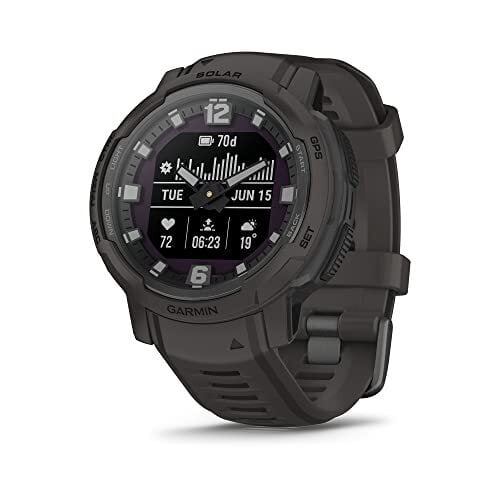
Garmin’s latest price cuts affect its flagship models – the Fenix 7 series, the Forerunner 965, and the Venu 2+. Historically, these watches have hovered around $500‑$700, but the current promotions bring them closer to $300 in many regions. The move is designed to keep the brand competitive against Apple’s Watch Series 9, which still commands a premium price tag despite a modest 5‑percent discount in the same quarter. By lowering entry points, Garmin hopes to capture a broader slice of the fitness‑focused consumer base.
For African retailers, the timing could not be better. Local distributors often receive shipments months after the initial launch, paying higher wholesale rates that translate into steep retail mark‑ups. A 40‑percent global discount can shave $100‑$150 off the landed cost, allowing shop owners in Lagos, Nairobi, and Accra to offer more attractive price points without sacrificing margins. The knock‑on effect is a faster diffusion of advanced health‑monitoring features across the continent.
Health and Fitness Trends Shaping the African Market
African consumers have long been early adopters of mobile technology, yet wearables have lagged behind due to cost and limited local awareness. A recent survey by the African Mobile Health Initiative showed that only 12 percent of respondents in Nigeria owned a smartwatch, compared with 38 percent in South Africa. Price is the dominant factor, accounting for 68 percent of the reasons given for non‑adoption. The current Garmin price reduction directly addresses this gap, making a device that tracks VO₂ max, stress levels, and GPS navigation affordable for middle‑class earners.
Beyond the price tag, Garmin’s ecosystem aligns well with the continent’s growing interest in outdoor and endurance sports. Trail running, ultramarathons, and safari‑style trekking have surged in popularity, especially among the diaspora returning home for weekend adventures. A Garmin Fenix can reliably record altitude changes in the Ethiopian highlands or the Kenyan Rift Valley, data that cheaper alternatives often miss. This functional relevance turns the discount from a simple bargain into a tool that supports a lifestyle increasingly celebrated across African social media.
Competitive Pressures: Apple, Samsung, and Home‑grown Brands
Public health officials across Africa are embracing digital health monitoring as a complement to traditional care. In Ghana, the Ministry of Health piloted a program that distributes low‑cost wearables to patients with hypertension, using the devices to flag abnormal heart‑rate spikes in real time. While Garmin’s premium models are pricier than the pilot’s basic trackers, the brand’s clinically validated ECG and sleep‑stage analytics make it a compelling upgrade for affluent patients seeking preventive care.
The diaspora community also plays a pivotal role in spreading wearable adoption. Nigerians living in the UK and US frequently share their Garmin data on fitness forums, inspiring friends back home to consider similar devices. This cross‑border influence creates a feedback loop: as more Africans see tangible health benefits, demand for reliable, feature‑rich watches like Garmin’s rises, encouraging local e‑commerce platforms to stock them at competitive rates.
What This Discount Means for the Future of Wearables in Africa
Apple’s Watch continues to dominate the high‑end segment globally, but its ecosystem is heavily tied to iOS, limiting appeal in markets where Android phones dominate. Samsung’s Galaxy Watch offers a more Android‑friendly experience but lacks the rugged GPS accuracy that serious athletes value. Garmin’s niche—robust outdoor navigation paired with deep fitness analytics—fills a void that neither Apple nor Samsung can fully occupy, especially for African users who often train in remote, off‑grid locations.
How to Secure the Best Garmin Deal and What to Look For
The immediate effect is a surge in trial purchases, which historically leads to longer‑term brand loyalty. A 2024 study by PwC Africa found that 57 percent of first‑time smartwatch owners kept their device beyond two years, eventually influencing friends and family. With Garmin now within reach of a larger demographic, the brand can cement its reputation as the go‑to watch for endurance athletes, hikers, and health‑conscious professionals across the continent.
Longer‑term, the price drop may accelerate local innovation. African startups are already experimenting with low‑cost sensor kits that can be integrated into existing smartwatch platforms. Access to affordable, high‑quality hardware like Garmin’s opens doors for developers to create Africa‑specific apps—think malaria‑risk alerts tied to GPS routes, or culturally tailored training plans that account for local climate patterns.
Quick Answers
Consumers should compare the final landed price, not just the sticker discount. Import duties, VAT, and shipping can erode savings, especially in Nigeria where customs fees can add 10‑15 percent to the cost. Trusted local retailers such as Jumia Nigeria, Konga, and the physical stores of Slot often bundle warranties and after‑sales support, which can be worth the extra few dollars over a gray‑market purchase from overseas sites.
When choosing a model, buyers should match features to their primary use case. For trail runners, the Forerunner 965 offers lightweight design and advanced running dynamics. For multi‑sport athletes, the Fenix 7 series provides solar charging and topographic maps. Casual users interested mainly in health metrics may find the Venu 2+ sufficient, especially with its AMOLED display and on‑screen workout guidance.
Source: lifehacker.com



💬 Comments 0