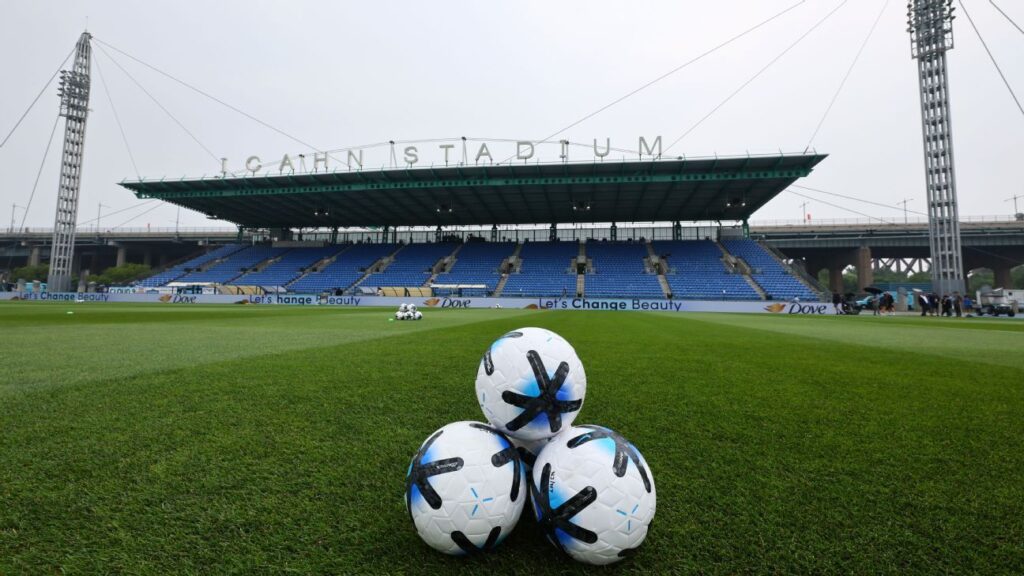
Gotham FC moves 2026 NWSL semifinal to Icahn Stadium after Sports Illustrated Stadium field issues
Why the venue switch matters beyond a patch of grass
The decision to relocate the NWSL semifinal from Sports Illustrated Stadium to Icahn Stadium is more than a logistical footnote. It highlights a chronic problem in women's professional soccer: the reliance on sub‑standard or makeshift venues that can jeopardise player safety and fan experience. When a championship‑level match is forced to move because the pitch is deemed “shoddy”, it sends a message that the league’s infrastructure still lags behind its male counterpart.
For the clubs involved, the move has financial implications. Gotham FC loses the ability to sell tickets at the originally advertised price point for a 5,000‑seat soccer‑specific arena, while the New York City venue, primarily built for track and field, offers a different seating layout and limited hospitality options. That shift can affect match‑day revenue, sponsor exposure, and even broadcast logistics, all of which feed into the league’s bottom line.
African players and the diaspora feel the ripple effect
The NWSL has become a magnet for African talent seeking higher wages and greater visibility. Players from Nigeria, Cameroon and Ghana have recently broken into squads like the Kansas City Current and Orlando Pride. When a high‑profile match changes location, it influences travel plans, accommodation costs and media coverage that African‑born athletes rely on to raise their profiles back home.
New York’s sizeable African diaspora—particularly Nigerian and Ghanaian communities in Queens and Brooklyn—traditionally turns out in force for major women's soccer games. The switch to Icahn Stadium, located in the Upper East Side, poses a transportation hurdle for fans who would have otherwise walked a short distance to the original stadium. Reduced attendance from these passionate supporters could dampen the exposure African players receive during a crucial televised fixture.
A pattern of venue uncertainty across women’s leagues
Gotham’s venue scramble mirrors a broader trend seen in Europe and South America, where women’s clubs often share grounds with lower‑division men’s teams or use municipal fields that lack proper maintenance. In England, Manchester United Women were forced to play a league match on a community pitch after a scheduling clash, while in Brazil, the women’s Copa Libertadores final was moved last minute due to stadium safety concerns.
These incidents underline a structural issue: many governing bodies have yet to mandate minimum standards for playing surfaces in women’s competitions. Without clear requirements, clubs can end up scrambling when a field fails inspection, as happened in New York. The NWSL’s response—relocating to a reputable, albeit non‑soccer‑specific, venue—demonstrates flexibility but also a need for long‑term planning.
What the move means for sponsors and broadcasters
Corporate partners of the NWSL count on consistent, high‑visibility environments to showcase their brands. A sudden venue change can disrupt pre‑planned advertising placements, on‑field signage, and even the visual backdrop for televised commentary. For sponsors targeting the African market—such as telecom firms expanding across Nigeria and Kenya—any dip in viewership or fan engagement could affect ROI calculations.
Broadcasters, too, must adapt quickly. Icahn Stadium’s media facilities differ from those at Sports Illustrated Stadium, requiring a rapid redeployment of camera crews and commentary booths. While the league’s production team managed the switch without a public glitch, the extra workload illustrates the hidden costs of operating in venues that were never intended for top‑tier soccer.
Looking ahead: infrastructure upgrades and fan‑centric solutions
The NWSL’s leadership has already signalled a push for purpose‑built stadiums, with several expansion clubs earmarking soccer‑specific venues for 2027 and beyond. For Gotham FC, the episode may accelerate talks with city officials about a permanent home that meets league standards and remains accessible to New York’s multicultural fan base.
Beyond brick‑and‑mortar, the league can invest in fan‑centric measures that mitigate venue volatility. Mobile ticketing platforms that automatically re‑issue seats when a game moves, targeted transportation partnerships for diaspora communities, and a transparent field‑inspection protocol posted online would all enhance trust. Such steps would not only protect the integrity of the competition but also ensure that African players and fans continue to feel valued in a league that is still fighting for parity.
Quick Answers
Why was the 2026 NWSL semifinal moved from Sports Illustrated Stadium?
The field at Sports Illustrated Stadium was deemed unsafe and poorly maintained, prompting officials to relocate the match to Icahn Stadium.
How does the venue change affect African players in the NWSL?
It can increase travel costs and reduce media exposure for African‑born players, while also making it harder for African diaspora fans in New York to attend the game.
What does this incident say about women's soccer infrastructure?
It highlights ongoing gaps in stadium standards for women's leagues, underscoring the need for dedicated, high‑quality venues worldwide.
Source: www.espn.com




💬 Comments 0