Gulf War Compromise Talks 2026: Iran Refuses Surrender, Doha Negotiations Signal New Path
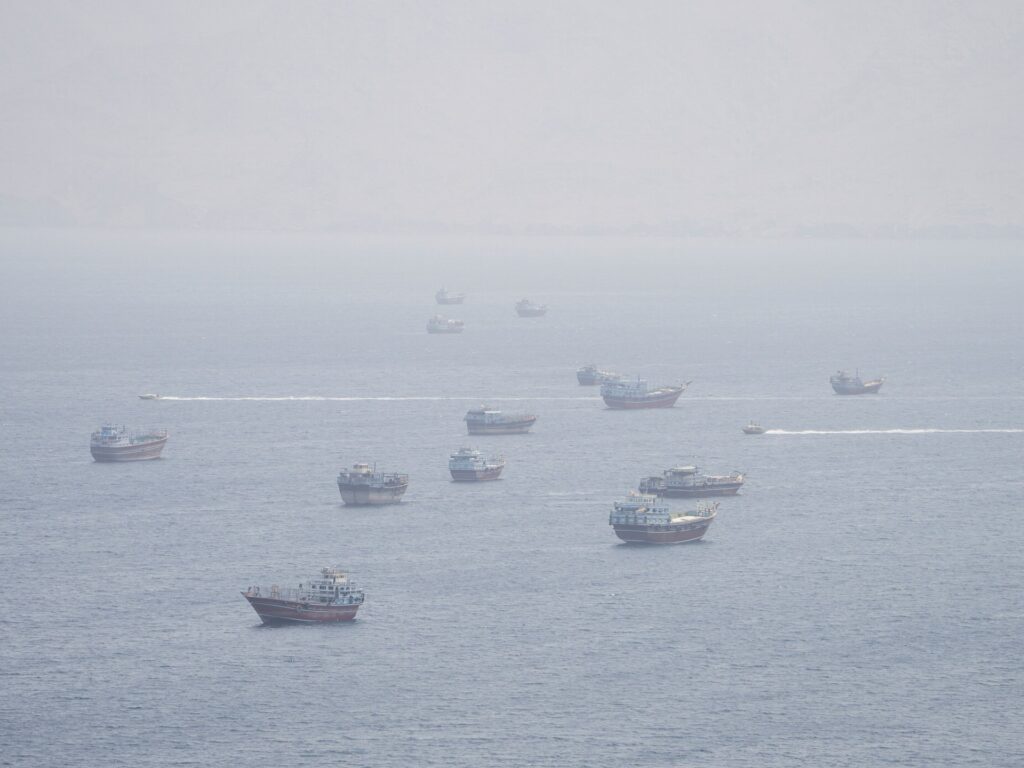
Background: The Gulf Conflict’s Roots
The conflict that has come to dominate the Gulf region over the past decade began as a proxy showdown between Iran and Saudi Arabia, each backing rival militias and political factions across Yemen, Iraq, and the wider Persian Gulf. Iran’s support for the Houthi rebels in Yemen, combined with its naval presence in the Strait of Hormuz, prompted a Saudi‑UAE‑led coalition to intervene in 2015, turning a civil war into a broader regional standoff. Over the years, the war has spiraled beyond battlefield casualties to affect global oil markets, shipping routes, and the security calculations of powers from the United States to China.
By 2024, the conflict settled into a grinding stalemate. Neither side achieved its original objectives: Iran has not secured a decisive foothold in the Gulf, and the coalition has failed to restore the internationally recognized Yemeni government. The war’s human cost—over 250,000 deaths and millions displaced—has been matched by an economic toll that reverberates far beyond the Middle East.
Recent Developments: Stalemate and the Call for Compromise
In early September 2026, diplomats from Doha announced a new round of talks aimed at ending hostilities through a negotiated settlement. The meeting, convened under the auspices of the Gulf Cooperation Council (GCC) and mediated by Qatar, brought together senior officials from Iran, Saudi Arabia, the United Arab Emirates and representatives of the Houthi movement. While the talks were framed as “constructive,” Iran’s delegation made clear that Tehran would not accept any language that implied surrender, a stance echoed by Tehran’s foreign minister in a televised address on September 5.
Sources close to the negotiations say the biggest hurdle remains the removal of Iranian‑backed missile sites in the Strait of Hormuz, a demand the Saudis view as essential for maritime security. Iran, meanwhile, insists on a guarantee that the coalition will lift the naval blockade on Houthi‑controlled ports. The deadlock has forced both sides to acknowledge that a military victory is unlikely, prompting analysts such as Dr. Laila Al‑Mansour of the Middle East Institute to describe the process as “a pragmatic shift from conquest to coexistence.”
Why It Matters for Africa and Global Energy
The Gulf’s oil arteries are lifelines for many African economies that rely on cheap, stable crude imports. Nations such as Nigeria, Angola, and South Africa import roughly 30 % of their petroleum from the Persian Gulf, according to the African Petroleum Statistics Agency. Any disruption in the Strait of Hormuz—whether from missile strikes or blockades—can cause price spikes that ripple through African fuel markets, inflating transport costs and eroding already fragile fiscal balances.
Beyond oil, the conflict has choked the Red Sea corridor, a crucial route for Ethiopian grain exports and Kenyan imports of essential goods. Houthi attacks on commercial vessels have forced shipping companies to reroute around the Cape of Good Hope, adding weeks and millions of dollars to freight costs. A compromise that stabilises the Gulf could restore confidence in these shipping lanes, benefitting East African port economies such as Mombasa and Djibouti, which have seen cargo volumes dip by up to 12 % since 2022.
Broader Trends: Proxy Wars, Shifting Alliances, and the Role of External Powers
The Gulf stalemate reflects a larger pattern of proxy conflicts where major powers use regional actors to pursue strategic aims without direct confrontation. In the past decade, the United States has scaled back its troop presence in the Gulf, while China has expanded its Belt‑and‑Road investments in ports across the Arabian Peninsula. Both powers now watch the Doha talks closely, aware that any settlement could tilt the balance of influence.
According to a recent report from the International Crisis Group, the emergence of a negotiated compromise could signal the waning of Cold‑War‑style bipolarity in the region. Instead, a multipolar framework—where Iran, the GCC, and external actors like Russia and China each hold a piece of the security puzzle—may become the new norm. This shift could open space for African nations to engage directly with Gulf states on energy and infrastructure projects, bypassing traditional Western intermediaries.
What Comes Next? Scenarios and Diplomatic Paths
If Doha succeeds in brokering a cease‑fire, the immediate next step will likely be a phased withdrawal of naval forces from the Strait of Hormuz, paired with a UN‑monitored verification mechanism. Such a framework could be modeled on the 2020 Iran nuclear deal’s inspection regime, providing a transparent way to ensure compliance without triggering renewed hostilities.
Conversely, if talks collapse, analysts warn of a return to “low‑intensity warfare,” where sporadic missile attacks and cyber‑operations keep the region on edge. In that scenario, African oil importers may diversify further, turning to domestic production or seeking alternative suppliers in West Africa, a trend already visible in Nigeria’s recent push for local refining capacity. Either outcome will shape the strategic calculus of African governments, investors, and diaspora communities that track Gulf politics as a barometer for global energy stability.
Quick Answers
What is the main goal of the Doha talks on the Gulf war?
The Doha talks aim to negotiate a cease‑fire and a political settlement that ends hostilities without requiring Iran to formally surrender.
How could a Gulf compromise affect fuel prices in Africa?
Stabilising the Strait of Hormuz would likely lower global oil prices, reducing fuel costs for African importers and easing inflation pressures on transport and goods.
What are the risks if the negotiations fail?
Failure could lead to renewed missile strikes, shipping disruptions in the Red Sea, and higher energy prices, all of which would hurt African economies reliant on Gulf oil and trade routes.
Source: www.aljazeera.com



💬 Comments 0