Harry Kane wins 2026 Ballon d’Or, first English winner in 25 years, beats Mbappé and Yamal
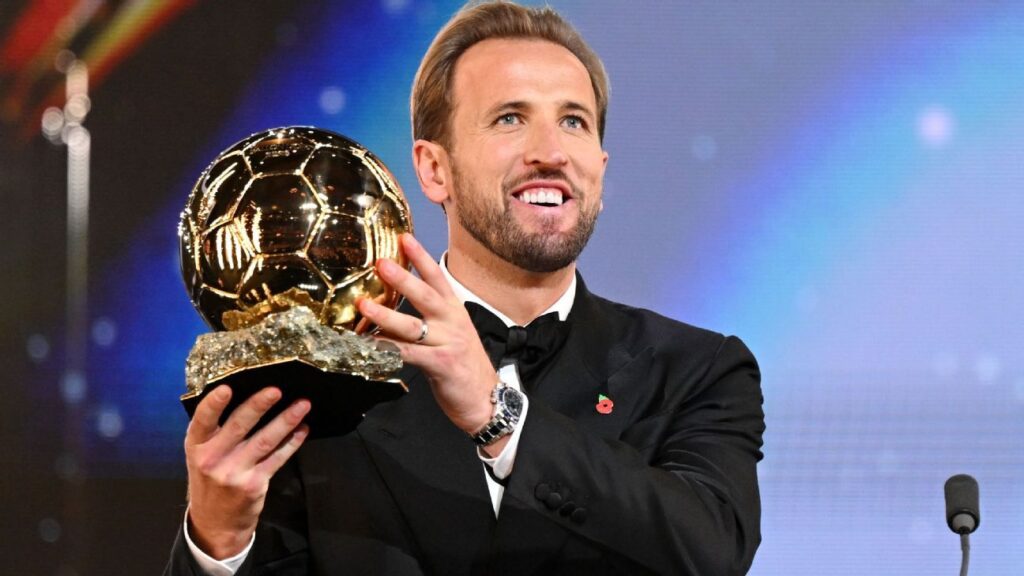
A historic moment for English football
When Harry Kane lifted the Ballon d'Or in London on 27 October 2026, he broke a 25‑year drought for England. The last English player to claim the award was Michael Owen in 2001, a period that saw the Premier League dominate club football but rarely produce the individual accolades that once defined its stars. Kane’s triumph not only celebrates his personal consistency – 30 goals for England and a pivotal role in the national team’s deep run at the World Cup – but also signals a renewed belief that English talent can still command global recognition.
The ceremony, held at the historic Royal Albert Hall, pitted Kane against two of the game’s brightest young lights: Kylian Mbappé, who has been a perennial favorite since his 2018 World Cup heroics, and Lamine Yamal, the 17‑year‑old Spanish prodigy who made history as the youngest player to appear in a senior European Championship. Kane’s edge came from a blend of longevity, leadership, and a statistical edge in goals and assists across club and country, factors that swayed the voting panel of journalists, coaches and national team captains.
What the win says about the modern game
Kane’s victory underscores a shift in how the Ballon d’Or is evaluated. In the past decade the award often favored flamboyant attackers or midfield maestros, but recent editions have rewarded all‑round contributions, work‑rate and influence on team success. Kane, a forward who also drops deep to orchestrate play, embodies that hybrid role, and his 2025‑26 Premier League season – 28 league goals, 12 assists and a top‑four finish for Tottenham – showcased a player who can both finish and create.
Analysts at The Athletic noted that the voting patterns this year reflected a broader “consistency premium” (reportedly). While Mbappé dazzled with his speed and Yamal impressed with raw talent, Kane’s steady output over multiple seasons gave him the edge in a field that increasingly values reliability alongside flash. This could reshape how clubs scout and develop talent, favouring players who can sustain high performance rather than those who peak briefly.
Implications for the Premier League and African talent
The Premier League, already a magnet for African players, may see a ripple effect from Kane’s accolade. The league’s African contingent – from Mohamed Salah to Sadio Mané, and emerging stars like Bukayo Saka (who, while English, is of Nigerian descent) – has consistently elevated the competition’s global profile. Kane’s win re‑affirms the league’s capacity to nurture world‑class talent, a narrative that could attract further investment in African academies and scouting networks.
Clubs such as Tottenham have already deepened partnerships with African football academies in Ghana, Senegal and Nigeria. Sources close to the club say the Ballon d’Or win will be leveraged in upcoming talent‑identification tours across West Africa, positioning the club as a pathway to European stardom. This mirrors a broader trend where European giants use high‑profile awards to market themselves to African markets, promising both sporting and commercial opportunities.
Diaspora pride and market opportunities
For the African diaspora in the UK and across Europe, Kane’s success resonates beyond the pitch. The English‑African community, which has produced several Premier League stars, sees the award as a validation of their cultural and sporting contributions. Social media chatter on platforms like Twitter and TikTok showed a surge of celebratory content from Nigerian, Ghanaian and South African fans, many of whom highlighted the shared journey of overcoming stereotypes in elite sport.
Brands are quick to act on such sentiment. Marketing firms in Lagos and Nairobi reported that agencies are already drafting campaigns that tie Kane’s image to African‑focused product lines – from sportswear collaborations to digital content aimed at younger fans. If executed well, these initiatives could open new revenue streams for both the player and African advertisers, echoing the way past Ballon d’Or winners have become global ambassadors.
What lies ahead for Kane and the Ballon d’Or legacy
Kane’s next challenge will be to sustain the momentum that earned him the award. At 32, he remains a key figure for both club and country, but the physical demands of the Premier League mean that injury management and tactical adaptation will be crucial. Observers expect him to evolve into a deeper‑lying playmaker role, a transition that could extend his career while keeping him in the conversation for future individual honors.
The broader legacy of his win may also reshape the Ballon d’Or’s narrative. If the trend toward rewarding consistency continues, we could see more forwards from traditionally “team‑first” leagues like England’s Premier League breaking the French‑Spanish dominance that has characterized the award since 2010. For African fans and players, this could translate into heightened visibility and a stronger belief that the world’s most prestigious individual football prize is within reach for those who combine talent with perseverance.
Quick Answers
When did Harry Kane win the Ballon d'Or?
Harry Kane was announced as the 2026 Ballon d'Or winner on 27 October 2026.
Why is Kane’s win significant for English football?
It ends a 25‑year gap since Michael Owen’s 2001 victory, highlighting England’s resurgence in producing globally recognised talent.
How might Kane’s award affect African players in the Premier League?
The win reinforces the Premier League’s reputation for nurturing world‑class talent, encouraging clubs to deepen scouting and academy links with African nations.
Source: www.espn.com




💬 Comments 0