How DNA Identification Is Shaping Nepal Flood Recovery in 2026 and What It Means for African Disaster Response
The 2026 Nepal Monsoon Crisis
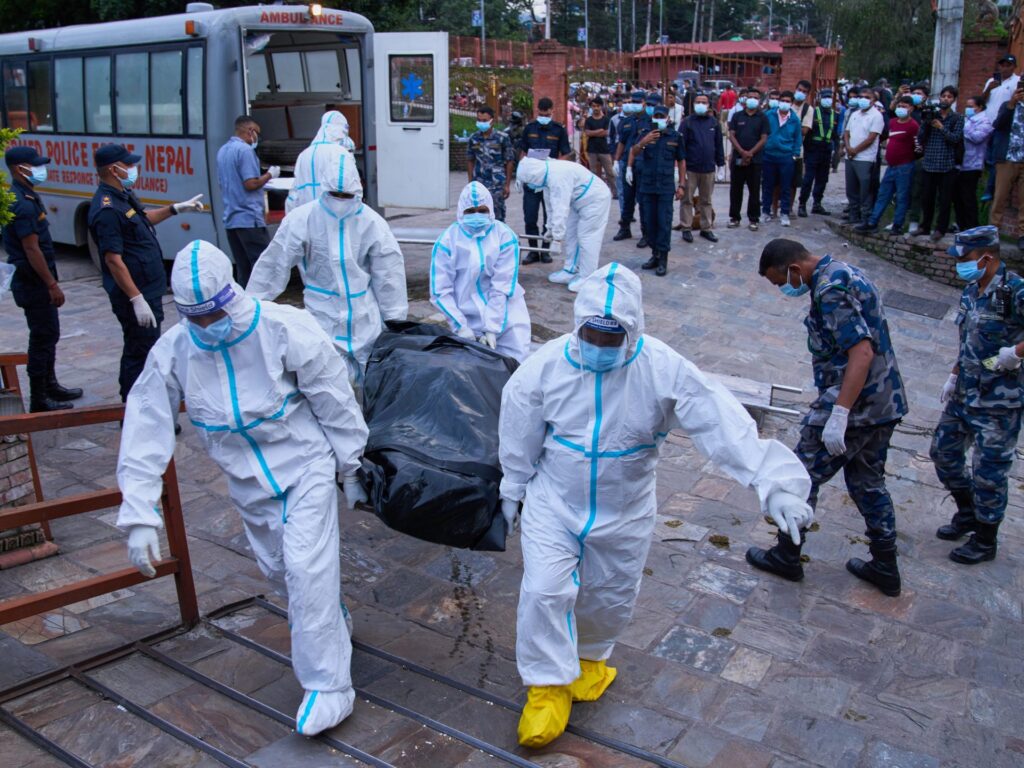
In early September 2026, unprecedented monsoon rains battered Nepal’s central hills, triggering landslides and flash floods that swept through villages along the Bagmati and Kali Gandaki rivers. Official figures released by the Nepalese government put the death toll at more than 1,200, with hundreds still missing. The scale of destruction overwhelmed local morgues; many bodies were recovered in advanced stages of decomposition or were fragmented by the powerful currents, making visual identification impossible.
The disaster also highlighted the limits of Nepal’s existing disaster victim identification (DVI) framework. While the country has a legal protocol for handling unidentified remains, the sheer volume of casualties exposed gaps in forensic capacity, especially in remote districts where forensic teams could not reach sites for days. International aid agencies, including the United Nations Office for the Coordination of Humanitarian Affairs (UNOCHA), quickly deployed mobile DNA labs to assist with the identification effort.
DNA Identification: From Sample to Name
The core of modern DVI is the collection of DNA samples from both the remains and living relatives. For the Nepal floods, forensic teams first documented each body’s condition, photographed it, and took tissue samples—usually bone marrow, teeth, or muscle—because these sources preserve genetic material even after months of exposure. The samples are then sent to a certified laboratory where DNA is extracted, quantified, and amplified using polymerase chain reaction (PCR) techniques.
Once a DNA profile is generated, it is compared against a database of reference samples. In Nepal’s case, the Ministry of Health coordinated with families to collect buccal swabs from relatives, creating a relational database that could match a missing person’s profile with a recovered fragment. The process can take anywhere from a few days to several weeks, depending on the quality of the DNA and the backlog of cases. According to a statement from the International Commission on Missing Persons (ICMP), the use of rapid‑turnaround kits reduced the average identification time from 21 days to under 10 days during the 2026 floods.
Why DNA Identification Matters Beyond the Numbers
Beyond the technical achievement, DNA identification carries profound social and legal weight. For families, receiving a confirmed identity ends months of uncertainty, allowing them to perform culturally appropriate funerary rites—a crucial aspect of Hindu and Buddhist traditions in Nepal. Legally, a positive identification unlocks insurance claims, inheritance matters, and the ability to close missing‑person cases that otherwise strain the judicial system.
Humanitarian organizations also rely on accurate DVI to allocate resources efficiently. When a body is identified, relief agencies can redirect support to families still searching for loved ones, preventing duplication of aid. Moreover, transparent identification processes build trust between the affected communities and the state, reducing the risk of rumors or accusations of negligence that often flare up after large‑scale disasters.
Connecting the Dots: What African Nations Can Learn
Floods are not unique to the Himalayas. In 2024, Nigeria’s Niger and Benue states experienced the worst seasonal flooding in a decade, displacing over 2 million people and leaving dozens of bodies unidentifiable. Yet, many African countries still rely primarily on visual identification or dental records, which are often unavailable in rural settings. The Nepal experience underscores the need for scalable DNA‑based DVI systems that can operate in low‑resource environments.
Several African regional bodies have begun to take note. The African Union’s Centre for Disaster Risk Reduction recently cited Nepal’s mobile lab deployment as a model for its proposed “Rapid Forensic Response Unit” that would travel to flood‑hit zones across the continent. Moreover, partnerships are emerging between Asian forensic firms and African ministries of health to train local technicians, a move that could shorten the time lag that currently forces many African states to outsource DNA testing to Europe or the United States.
The Road Ahead: Building Capacity and Regional Cooperation
In the aftermath of the 2026 floods, Nepal has pledged to establish a permanent national DNA repository for disaster victims, funded partly by the World Bank’s Climate Resilience Program. The repository will store reference samples from citizens, similar to the DNA banks used in Japan after the 2011 tsunami. This long‑term approach aims to speed up future DVI efforts and reduce dependence on external labs.
For African policymakers, the key takeaway is the importance of pre‑emptive planning. Investing in portable DNA extraction kits, training community health workers in sample collection, and creating legal frameworks for data privacy are steps that can be taken now. Regional cooperation—through bodies like the Economic Community of West African States (ECOWAS) and the Southern African Development Community (SADC)—could also facilitate shared laboratory facilities, lowering costs and ensuring that expertise is not confined to a single country.
Quick Answers
How many victims have been identified using DNA in the 2026 Nepal floods?
As of October 2026, DNA testing has confirmed the identities of over 350 bodies, according to Nepal’s Ministry of Home Affairs.
What are the main steps in DNA identification after a disaster?
The process involves collecting tissue samples from remains, extracting and amplifying DNA, creating a genetic profile, and matching it against reference samples from relatives.
How can African countries improve disaster victim identification?
By establishing mobile DNA labs, training local forensic teams, creating legal frameworks for DNA data, and collaborating regionally to share resources and expertise.
Source: www.aljazeera.com




💬 Comments 0