Hundreds trapped in Nepal hydropower tunnels: Rescue delayed amid foreign aid scrutiny
Background: Nepal’s hydropower ambitions and climate risks
Neal’s mountainous terrain has made hydropower a cornerstone of its energy strategy, with the government and private firms investing billions in projects that promise to lift the country out of energy poverty.
Yet the same rivers that generate electricity also pose a grave risk, especially during monsoon seasons when heavy rainfall can trigger flash floods and dam failures. Climate models predict that such extreme events will become more frequent as global temperatures rise.
The private sector, led by companies like Nepal Power Limited and Himalayan Hydro, has been instrumental in accelerating hydropower development, but their projects often sit on steep slopes and in remote valleys, making emergency responses logistically challenging.
The Rescue Operation: A Chronology of Trapped Lives
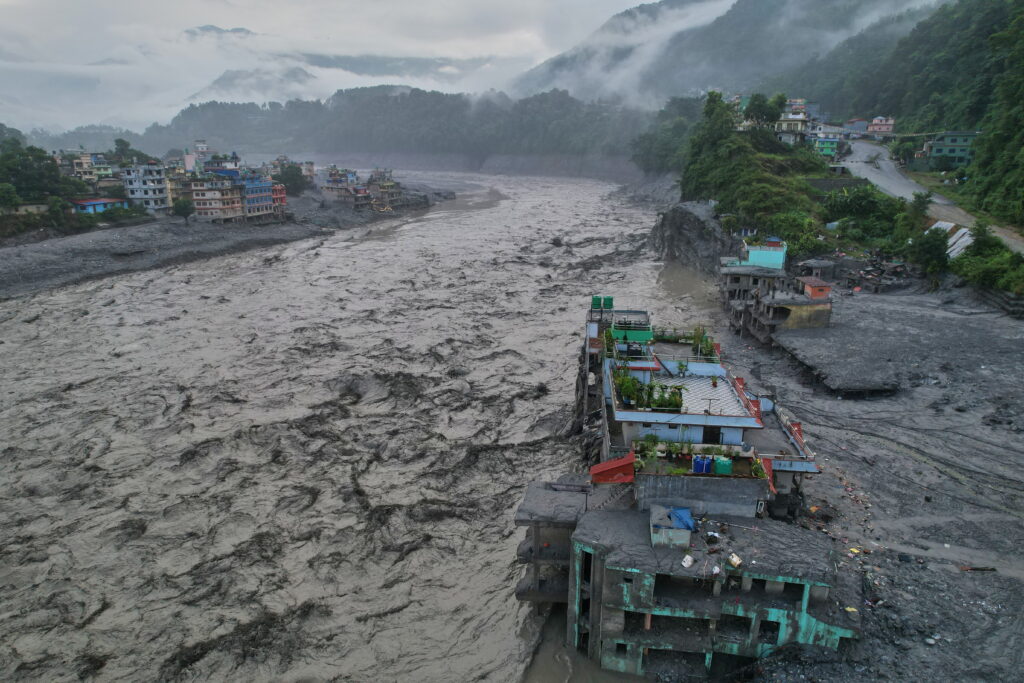
On September 1, 2026, heavy monsoon rains triggered a sudden breach in the upstream dam of the Gokyo Hydropower Complex, sending water into the tunnel system and trapping around 300 workers and technicians inside.
According to a statement released by the National Disaster Management Authority, rescue teams arrived at the site only after a 12‑hour delay, citing road blockages and lack of specialized equipment.
Private sector producers, including Nepal Power Limited, alleged that the government’s response was sluggish, arguing that the delay cost lives and caused the tunnel to flood further, making extraction more hazardous. They called for an independent inquiry into the incident.
Why It Matters: Human Cost and Trust in Governance
The immediate human toll is stark: several workers died before rescue teams could reach them, and dozens were injured by the sudden flooding. The incident has sparked public outcry over the safety standards of hydropower projects.
Beyond the tragedy, the event has eroded confidence in the government’s capacity to manage large‑scale infrastructure risks, especially as it seeks foreign investment to expand its energy portfolio.
International aid agencies, already hesitant to fund new projects in the region, are now scrutinizing the country’s disaster preparedness protocols, potentially tightening conditions on future grants and loans.
Implications for Nepal’s Energy Sector and Climate Policy
Investor confidence in Nepal’s hydropower sector has taken a hit, with several foreign firms putting their ongoing projects on hold pending a review of safety and emergency response measures.
The government has announced a review of its hydropower safety regulations, promising tighter oversight on tunnel design, spillway capacity, and emergency evacuation plans. However, critics argue that regulatory changes alone will not address the systemic lack of rapid response infrastructure.
This incident underscores the need for Nepal to integrate climate resilience into its energy strategy, balancing development with robust risk mitigation frameworks that can adapt to increasingly erratic weather patterns.
Lessons for Africa: Hydropower, Climate Change, and Disaster Response
Many African nations, from Ethiopia’s Grand Ethiopian Renaissance Dam to Ghana’s Tain Hydropower Project, face similar challenges of balancing rapid hydropower development with disaster risk management.
The Nepal incident serves as a cautionary tale for African policymakers, highlighting the importance of investing in early warning systems, rapid response teams, and community training to mitigate the human cost of infrastructure failures.
Diaspora communities and international NGOs in Africa could play a pivotal role by sharing best practices, offering technical expertise, and supporting the development of region‑wide emergency protocols that are both cost‑effective and culturally sensitive.
Quick Answers
How many people were trapped in the Nepal hydropower tunnels?
Around 300 workers and technicians were trapped in the tunnels after the dam breach on September 1, 2026.
Who is leading the rescue effort in Nepal?
The National Disaster Management Authority coordinated the rescue, with support from local police, military units, and private sector emergency teams.
What is the status of foreign aid for flood relief in Nepal?
Foreign aid agencies are reassessing their engagement, with some pausing new grants to the hydropower sector while reviewing safety and emergency response protocols.
Source: www.npr.org



💬 Comments 0