Hungary expels 10 Russian diplomats in 2026, signaling shift from pro‑Kremlin stance
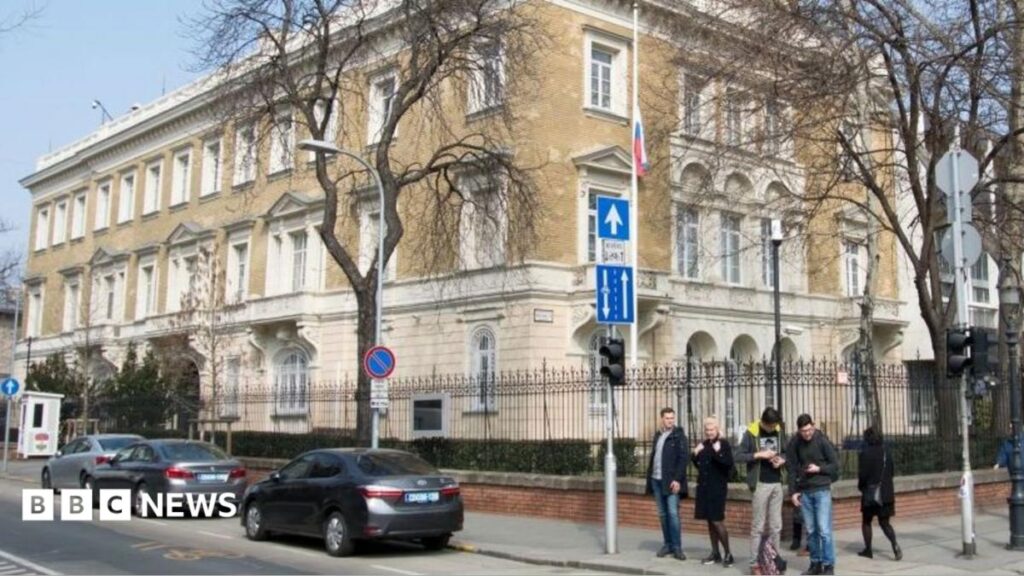
A dramatic reversal after years of Moscow‑friendly policy
Since Viktor Orbán took power in 2010, Hungary cultivated a reputation as the EU’s most accommodating member for Moscow. The country repeatedly voted against EU sanctions on Russia, hosted Russian energy projects, and even welcomed Russian delegations that were barred elsewhere in Europe.
The new coalition government, formed after the 2022 elections, has been keen to distance itself from that legacy. In a press conference on September 7, the foreign minister announced the expulsion of ten Russian diplomats, describing the move as a response to “unacceptable espionage activities” and a step toward realigning Hungary with the broader EU security framework.
The decision marks the first time since the 2014 annexation of Crimea that Budapest has taken a punitive measure against Moscow, underscoring a profound shift in Budapest’s foreign‑policy calculus.
What the expulsion actually entails
Ten Russian embassy staff members—most of them senior intelligence officers, according to Hungarian officials—were given 48 hours to leave the country. Their passports were confiscated, and the Hungarian foreign ministry said the expulsions were coordinated with the EU’s diplomatic corps.
The move follows a series of smaller retaliations, including the removal of Hungarian officials from Russian consulates in St. Petersburg and the suspension of a joint cultural program that had funded Russian language courses in Hungarian schools.
Russia’s foreign ministry condemned the action as “an unfounded escalation,” and promised “reciprocal measures,” though it has not yet named the individuals who will be expelled from Russia in response.
Why the change matters for Europe and Africa alike
For the EU, Hungary’s break with Moscow strengthens the bloc’s collective bargaining power in negotiations over sanctions, energy security, and the war in Ukraine. A more unified front makes it harder for Russia to exploit divisions among member states—a tactic it has used to weaken sanctions that also affect African grain markets.
African nations, especially those in the Sahel and North Africa, rely heavily on Russian wheat and fertilizer imports. EU sanctions that limit Russian exports can drive up global food prices, putting pressure on African food security. Hungary’s new stance could accelerate EU moves to tighten export controls, indirectly influencing the cost and availability of staple crops across the continent.
At the same time, Hungary’s previous pro‑Kremlin posture had given Russia a diplomatic foothold in Central Europe, which some African governments viewed as a potential channel for securing alternative energy supplies. The expulsion signals that those back‑door routes are narrowing, prompting African diplomats to reassess their energy‑procurement strategies.
Reactions from key players
EU officials praised Budapest’s decision as “a welcome correction” and said it would be reflected in the next round of sanctions discussions in Brussels. NATO’s Secretary‑General also noted that the move “reinforces alliance solidarity at a time of heightened Russian aggression.”
In Nigeria, the Ministry of Foreign Affairs issued a statement noting that “stable European markets are essential for Africa’s trade and investment climate.” The ministry added that any escalation that threatens European food supplies could have “knock‑on effects for food‑import dependent economies on the continent.”
Diaspora groups in the United States and Canada, many of whom trace roots to Hungary, expressed mixed feelings. Some praised the government for aligning with democratic values, while others worried that the shift could strain ties with Russian‑speaking communities in Eastern Europe.
What’s next for Hungary, Russia and African interests?
Analysts expect that Budapest will seek deeper integration with EU foreign‑policy mechanisms, possibly joining joint intelligence initiatives that were previously off‑limits. Such cooperation could bring Hungarian security firms into EU‑backed projects aimed at safeguarding critical infrastructure in Africa, from ports to power grids.
Russia is likely to retaliate with a tit‑for‑tat diplomatic purge, which could further isolate Moscow in Europe. If the sanctions spiral, European grain exporters may look to Africa for alternative markets, opening opportunities for countries like Egypt and Kenya to increase their agricultural export volumes.
For African policymakers, the Hungarian pivot underscores the importance of diversifying supply chains away from any single great‑power patron. Regional bodies such as the African Union are already discussing contingency plans for grain imports, and the Budapest decision will be a reference point in those strategic debates.
Quick Answers
Why did Hungary expel Russian diplomats in 2026?
Hungary said the diplomats were involved in espionage and that the expulsion aligned the country with EU security policies after a change in government.
How could Hungary's move affect African food prices?
Stronger EU sanctions on Russia may reduce Russian wheat exports, raising global grain prices and pressuring African nations that rely on those imports.
Will Russia retaliate against Hungary?
Russia has warned of “reciprocal measures,” and analysts expect it will expel Hungarian diplomats in response, further straining ties.
Source: www.bbc.co.uk




💬 Comments 0