Hurricane Lowell Category 3 Hits Hawaii 2026: Impact on Pacific, Climate and Insurance
Background and Storm Development
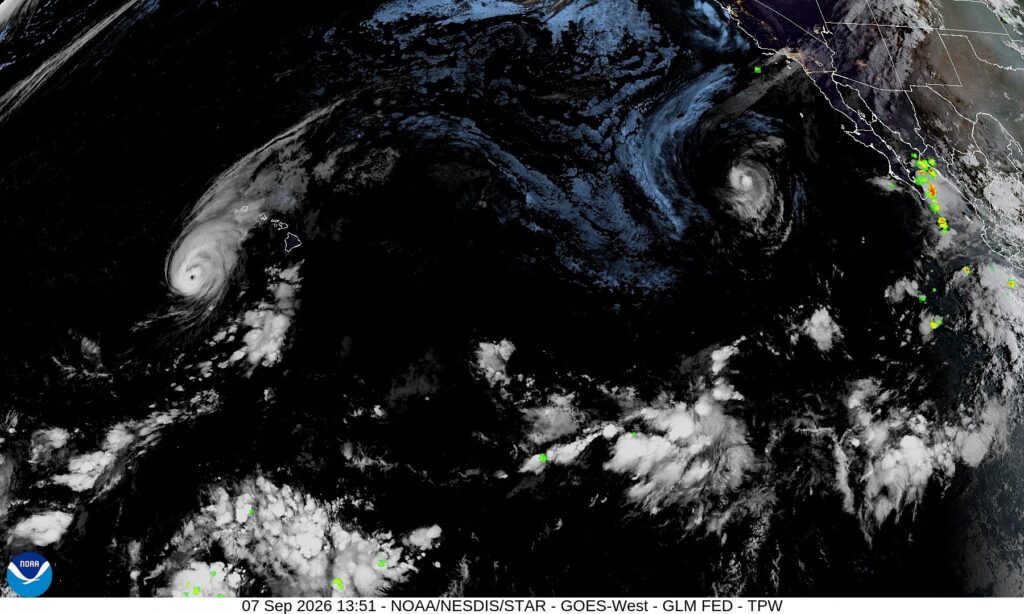
Hurricane Lowell formed in the central Pacific on September 5, 2026, after a tropical wave crossed the International Date Line. Warm sea‑surface temperatures above 29 °C and low vertical wind shear allowed the system to intensify rapidly, reaching Category 3 status with sustained winds of 115 mph by Monday night. The National Hurricane Center (NHC) has tracked the storm’s west‑northwest trajectory toward the main Hawaiian islands, issuing a hurricane watch for Oahu, Maui, Kauai and the Big Island. Historically, only a handful of major hurricanes have struck the archipelago, making Lowell a rare and concerning event.
The storm’s projected path brings it within 30 nautical miles of the islands’ western coasts, where the steep underwater topography can amplify storm surge and generate dangerous rip currents. Satellite imagery shows a well‑defined eye surrounded by intense rain bands, suggesting the potential for heavy rainfall exceeding 10 inches in localized spots. These conditions threaten not only residential areas but also critical infrastructure such as the Honolulu International Airport and the U.S. Pacific Fleet’s base at Pearl Harbor.
The Immediate Threat to Hawaii
Authorities have ordered pre‑emptive evacuations for low‑lying neighborhoods in Honolulu and Lahaina, and the Hawaii Emergency Management Agency (HEMA) has activated shelters capable of housing up to 5,000 displaced residents. Power companies are deploying crews to reinforce the grid, while the Federal Emergency Management Agency (FEMA) has pre‑positioned supplies on the islands. The combination of high winds, storm surge up to 8 feet, and a forecasted 24‑hour rainfall total of 12 inches creates a perfect storm scenario that could overwhelm drainage systems and cause widespread flooding.
Tourism, which accounts for roughly 20 % of Hawaii’s gross state product, faces an immediate hit. Hotels along the western shores of Oahu and Maui have already reported cancellations exceeding 30 % for the week of September 8‑14. Airlines such as Hawaiian Airlines and United are adjusting flight schedules, and cruise ships scheduled to dock in Honolulu are being rerouted to the mainland. The economic ripple could extend into the next fiscal quarter, especially if the storm damages popular attractions like Waikiki Beach or the historic town of Lahaina.
Why It Matters Beyond the Pacific
Lowell’s rapid intensification underscores a broader trend that climate scientists attribute to a warming ocean. A 2024 report from the Intergovernmental Panel on Climate Change (IPCC) warned that the frequency of Category 3‑5 storms in the Pacific is likely to rise by 20‑30 % by 2050. For the United States, the fiscal burden of disaster response is already straining federal budgets; the Congressional Budget Office estimates that each major hurricane can cost the federal government upwards of $10 billion in emergency aid and reconstruction.
The storm also highlights vulnerabilities in global supply chains. The Pacific is a critical conduit for container vessels traveling between East Asia and the Americas. A prolonged disruption of the main Hawaiian ports could delay shipments of electronics, agricultural products and, indirectly, goods destined for African markets that rely on trans‑Pacific routes for re‑export. Shipping analysts in Lagos note that a three‑day port closure could push freight rates up by 5‑7 %, affecting import costs for Nigerian manufacturers.
Ripple Effects on African Interests
African investors with exposure to the U.S. insurance market are watching Lowell closely. Reinsurance firms based in South Africa, such as African Re, have sizable portfolios covering U.S. natural‑catastrophe risk. A single event that triggers $5 billion–$7 billion in claims can tighten reinsurance pricing worldwide, leading to higher premiums for African insurers underwriting property and agricultural policies at home.
The diaspora angle is also relevant. Over 150,000 people of African descent live in Hawaii, many of them students, military personnel and hospitality workers. Community groups have mobilised volunteers to assist with sandbagging and to provide translation services for non‑English‑speaking residents. Moreover, the diaspora’s remittance flows—estimated at $12 million annually to families in Ghana, Kenya and Nigeria—could be temporarily disrupted if the storm forces power outages and internet interruptions.
Looking Ahead – Preparedness and Policy
In the aftermath of Lowell, experts say the focus will shift from emergency response to long‑term resilience. The Hawaii Climate Adaptation Initiative, launched in 2023, aims to invest $500 million in coastal defenses and green infrastructure by 2030. Lessons learned from Lowell could accelerate funding for seawall upgrades on Oahu and the adoption of nature‑based solutions such as mangrove restoration on the islands’ southern coasts.
For African policymakers, Lowell offers a case study in how small island states are integrating climate data into urban planning. Nations like Kenya and Mozambique, which are grappling with increasing cyclone activity in the Indian Ocean, may look to Hawaii’s early‑warning systems and community‑based evacuation drills as models. Collaborative research programs between Pacific and African universities, already underway through the Climate Resilience Network, could expand to include joint simulations of storm surge scenarios, fostering a shared knowledge base that benefits both regions.
Quick Answers
When is Hurricane Lowell expected to make landfall in Hawaii?
The National Hurricane Center predicts Lowell will reach the Hawaiian islands late Monday night, September 8, 2026.
How could Hurricane Lowell affect African insurance markets?
Heavy losses from the storm can tighten global reinsurance capacity, raising premiums for African insurers that rely on U.S. cat‑risk coverage.
What steps are Hawaiian authorities taking to protect residents?
Hawaii’s emergency agency has opened shelters, ordered evacuations for vulnerable coastal zones, and pre‑positioned food, water and medical supplies.
Source: www.aljazeera.com



💬 Comments 0