Ilhan Omar pre‑dawn home raid 2026: federal agents seize phones, sparks diaspora outcry
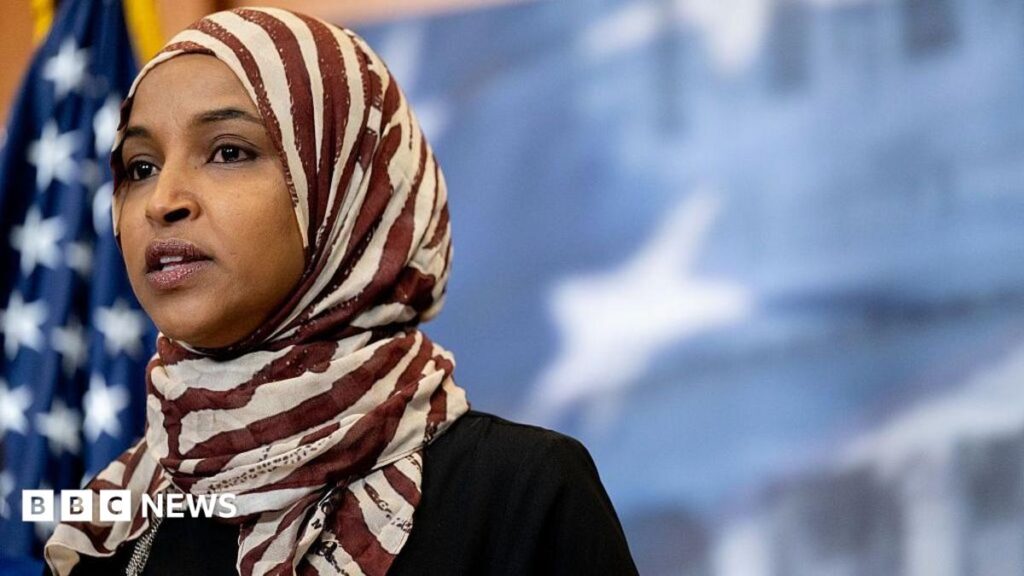
Background: Omar’s rise and the climate of scrutiny
Ilhan Omar, the first Somali‑American elected to the U.S. Congress, has become a lightning rod for both progressive advocacy and conservative criticism since her 2018 victory in Minnesota’s 5th district. Her outspoken stance on foreign policy, especially regarding Israel and the Middle East, has drawn intense media focus and frequent investigations, a pattern that many observers link to a broader effort to marginalise minority lawmakers who challenge the status quo. In recent years, the House has seen an uptick in subpoenas, ethics probes and security reviews targeting members who champion anti‑war or anti‑racist agendas, a trend that has raised alarms among civil‑rights groups about the weaponisation of federal oversight.
The political environment in 2026 is particularly charged. A new administration, elected on a platform of “law‑and‑order” and heightened national‑security rhetoric, has pledged to crack down on alleged extremist influences in Congress. While the administration’s stated goal is to protect democratic institutions, critics argue that the language creates a permissive backdrop for aggressive investigations that can be used to intimidate dissenting voices, especially those from immigrant backgrounds.
What happened: the pre‑dawn raid and seizure list
In the early hours of October 18, 2026, federal agents entered Omar’s home in Minneapolis with a warrant, conducting what she described as a “bizarre” pre‑dawn raid. According to a statement released by Omar’s office, agents seized more than a dozen items, including several cell phones, notebooks, and digital storage devices that allegedly contain communications relevant to an ongoing federal investigation. The raid lasted roughly ninety minutes before the agents left, leaving the congresswoman’s family shaken and her staff scrambling to secure the remaining evidence.
The exact nature of the investigation has not been disclosed, but sources familiar with the matter say the probe is linked to a broader inquiry into alleged foreign influence and potential violations of campaign‑finance rules. Omar’s team has denied any wrongdoing, calling the raid an “unwarranted intimidation tactic” and filing a formal complaint with the Department of Justice’s Office of Professional Responsibility. The incident has ignited a wave of commentary from legal scholars, who caution that the lack of transparency could set a dangerous precedent for future congressional oversight.
Why it matters: implications for the Somali diaspora and minority representation
Omar’s Somali heritage makes the raid resonate far beyond the halls of Congress. The Somali diaspora in the United States—estimated at over 150,000 people—has historically looked to her as a symbol of political empowerment and a bridge between their community and American institutions. A federal intrusion of this magnitude sends a chilling signal to immigrant politicians and activists that their public service may be met with aggressive surveillance, potentially discouraging future candidates from minority backgrounds from seeking office.
Beyond the United States, the incident is being watched closely in Somalia and across East Africa, where diaspora engagement plays a crucial role in development projects and diplomatic lobbying. Analysts in Nairobi note that the raid could fuel narratives used by authoritarian regimes to portray Western democracies as hostile to Muslim minorities, complicating diplomatic outreach and aid negotiations. In the short term, the Somali community in Minneapolis has organised vigils and petition drives demanding a transparent investigation, highlighting how local reactions can ripple into broader geopolitical perceptions.
Reactions: political, legal and community responses
Democratic leaders in the House, including Speaker Hakeem Jeffries, condemned the raid as “an overreach that threatens the independence of elected officials.” Republican figures, while not uniformly supportive, have called for a “full and impartial review” of the warrant’s issuance, framing the incident as a test of the administration’s commitment to due process. Civil‑rights organisations such as the ACLU and the NAACP have filed amicus briefs, arguing that the raid may violate constitutional protections against unreasonable searches, especially when applied to a sitting member of Congress.
Legal experts suggest that Omar could pursue a civil lawsuit alleging violations of the Fourth Amendment and the Speech or Debate Clause, which shields legislators from prosecution for their official actions. If successful, such a case could set a precedent limiting the scope of federal investigations into congressional activities. Meanwhile, community activists have mobilised on social media, using hashtags like #ProtectOmar and #DiasporaJustice to pressure lawmakers and raise awareness among younger voters who view the incident through the lens of broader struggles for racial equity.
What’s next: potential outcomes and the road ahead
The immediate future hinges on whether the Department of Justice will release the underlying affidavit that justified the raid. Transparency advocates argue that without public scrutiny, the government can continue to deploy similar tactics against other minority lawmakers. If the affidavit reveals a legitimate national‑security concern, the administration may argue that the raid was lawful, but it will still face political fallout for the perceived targeting of a high‑profile progressive voice.
For Omar, the incident could become a rallying point in her upcoming re‑election campaign, reinforcing her narrative of standing up against systemic oppression. However, the personal toll—disruption of her family life, potential loss of confidential documents, and the spectre of a protracted legal battle—may also affect her legislative agenda. On a larger scale, the episode may prompt Congress to revisit the rules governing searches of members’ residences, possibly leading to new safeguards that balance security interests with the constitutional independence of elected officials.
Quick Answers
What items did federal agents seize during the raid on Ilhan Omar’s home?
Agents confiscated more than a dozen items, including several cell phones, notebooks and digital storage devices.
When did the pre‑dawn raid on Ilhan Omar’s residence occur?
The raid took place in the early hours of October 18, 2026.
How could the raid affect Ilhan Omar’s political future?
The raid may become a campaign focal point, but it also risks legal distractions and personal strain that could influence her re‑election prospects.
Source: www.bbc.co.uk




💬 Comments 0