Indian coder creates ‘Cockroach Party’ protest video game – satire meets politics in 2026
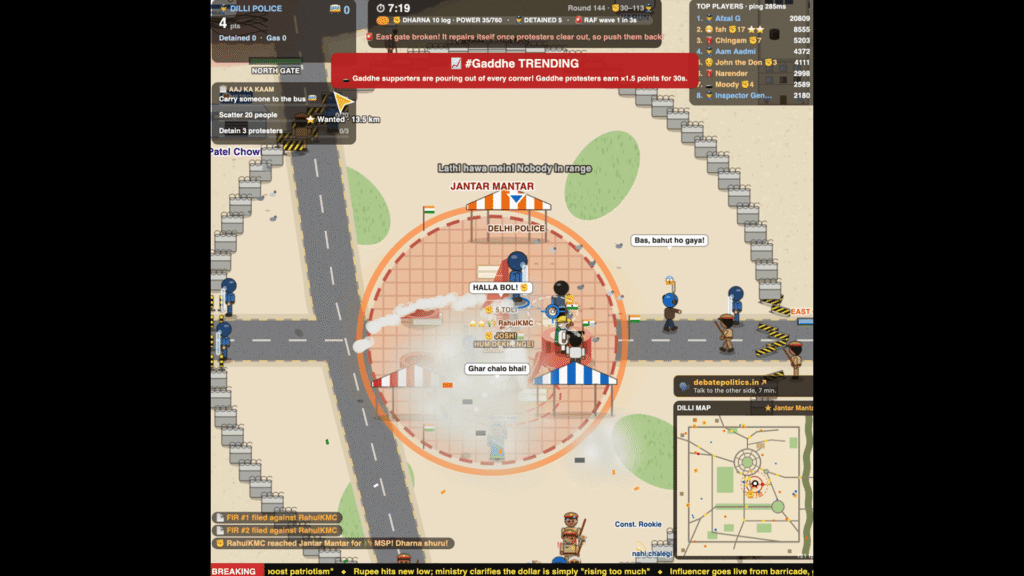
Background: The Cockroach Party and the protests that sparked a game
In early 2026 a loosely organized group of activists calling themselves the Cockroach Party staged a series of flash‑mob demonstrations across major Indian cities. Their aim was to mock the government’s handling of waste management and to highlight how ordinary citizens are treated like insects when they raise grievances, a metaphor that resonated on social media. The protests, which featured participants wearing oversized cockroach costumes and chanting slogans like “We’re not pests, we’re people”, quickly went viral, drawing both supportive crowds and a stern response from authorities who warned that any public dissent could be deemed unlawful under the recently tightened Public Order Act.
The movement’s popularity was amplified by a wave of meme‑filled TikTok videos, Twitter threads, and street art. While the protests were largely peaceful, police raids on several demonstration sites were reported by local outlets such as The Hindu, and several participants were detained for “disrupting public peace”. The controversy created a fertile ground for satire, prompting a 27‑year‑old indie developer from Bengaluru to turn the spectacle into an interactive experience.
The game: From meme to playable satire
The developer, Arjun Mehta, announced his project on a Discord server for Indian game creators, describing it as a “pixel‑perfect love letter to the absurdity of our times”. The game, titled *Cockroach Uprising*, is built on the Unity engine and adopts a side‑scrolling platform format where players control a cartoon cockroach navigating bureaucratic mazes, dodging trash‑collectors, and confronting caricatured officials. Each level mirrors a real‑world protest site, complete with slogans that appeared on actual banners, and the final boss is a towering figure labeled “The Minister of Sanitation”. Mehta released a short trailer on YouTube that has already amassed over 200,000 views, according to a May 2026 report from TechCrunch India.
Mehta says the game is intentionally over‑the‑top: “I wanted to let people laugh at the very thing that made them angry”. He has made the game free to download on itch.io, with an optional donation link for those who want to support independent political satire. The game’s code is open‑source, a move he says is meant to encourage other developers to remix the concept for different causes, a practice that mirrors the open‑culture ethos of many African indie studios.
Why it matters: Digital satire, free speech and India’s tightening tech rules
The release of *Cockroach Uprising* arrives at a moment when India’s digital ecosystem is under intense scrutiny. In February 2026, the Ministry of Electronics and Information Technology introduced new guidelines that require platforms to pre‑screen user‑generated content for “political sensitivity”, a policy critics argue could stifle dissenting voices. By publishing the game on a decentralized platform and making the source code public, Mehta sidesteps the very gatekeepers the government is trying to control, setting a precedent for how creators can protect artistic freedom in a tightening environment.
International observers have noted that satire has historically been a barometer for how much space a society gives to dissent. According to Reuters, several Indian comedians were recently barred from performing live after jokes about the same protests. The game therefore functions not only as entertainment but also as a form of protest in its own right, turning the act of playing into a subtle act of defiance. This dynamic mirrors earlier instances where video games like *Papers, Please* or *This War of Mine* sparked political conversations, proving that interactive media can amplify messages in ways traditional protests cannot.
Ripple effects: What African creators and the diaspora can learn
The African gaming scene, which has grown by an estimated 30 % year‑on‑year according to Newzoo’s 2026 report, is increasingly exploring socially relevant themes. South African studio Nyamakop’s *Semblance* tackled post‑apartheid identity, while Nigeria’s Gamsole has experimented with health‑education games. Mehta’s open‑source approach offers a template for African developers who face similar censorship pressures in countries like Kenya and Ethiopia, where authorities have recently cracked down on political memes. By publishing the code on GitHub, the Indian developer invites cross‑border collaboration, encouraging African coders to remix the mechanics for local issues such as land rights or election integrity.
Moreover, the diaspora community in the United Kingdom, Canada and the United States has shown a keen appetite for games that speak to immigrant experiences and home‑country politics. Streaming platforms like Twitch have already featured African creators playing *Cockroach Uprising* while discussing waste‑management crises in Lagos and Nairobi, drawing parallels between the Indian satire and their own urban challenges. This cross‑pollination underscores a growing global market for games that blend humor with activism, a niche that African studios are well‑positioned to occupy.
What’s next: Backlash, platform policy and the future of political gaming
Soon after the launch, the Indian IT Ministry issued a notice to the hosting provider of the itch.io page, asking for “clarification on the game’s political content”. While the provider has not yet taken the game down, legal experts warn that a formal takedown request could be filed under the new Information Technology (Intermediary Guidelines and Digital Media Ethics Code) Rules. Mehta has responded by moving the download to a decentralized file‑sharing network and encouraging players to use VPNs, a tactic that mirrors how many African activists circumvent internet blackouts during elections.
The episode may accelerate discussions about the role of game‑based satire in civic discourse worldwide. Scholars at the University of Nairobi have already cited *Cockroach Uprising* in a paper on “Digital Play as Protest”, arguing that games can lower the barrier to political participation for younger audiences. If Indian authorities decide to pursue legal action, the case could become a landmark test of how far governments will go to police virtual dissent. For African regulators watching the situation, the outcome could inform their own policies on digital expression, especially as the continent’s youth continue to turn to interactive media to voice grievances.
Quick Answers
What is the Cockroach Party protest in India?
The Cockroach Party was a satirical activist group that staged flash‑mob protests in 2026 to criticize waste‑management policies and the way authorities treat dissenters.
Is the game *Cockroach Uprising* free to play?
Yes, the developer released it for free on itch.io, with optional donations to support independent political satire.
How could this Indian game affect African game developers?
By sharing its source code openly, the game provides a template for African creators to adapt political satire to local issues and navigate censorship.
Source: www.aljazeera.com




💬 Comments 0