Two European women freed in Libya after year in Niger – Swiss citizen returns home, 2026
Background: Niger’s deteriorating security landscape
Since 2021, Niger has slipped deeper into a security crisis as jihadist groups linked to al‑Qaeda and ISIS exploit porous borders and weak state institutions. The rise in banditry, kidnapping for ransom, and cross‑border smuggling has turned the Sahel into a high‑risk zone for foreigners, especially aid workers and business travelers.
European nationals have been particular targets because kidnappers often assume they can extract larger ransoms or negotiate political concessions. The United Nations reported a 37% increase in kidnapping incidents across the Sahel between 2022 and 2025, with Niger accounting for a sizable share of those cases.
Complicating matters, the 2023 coup that ousted Niger’s elected president destabilised the already fragile security apparatus. The interim military government struggled to coordinate with regional partners, leaving large swathes of the country effectively lawless.
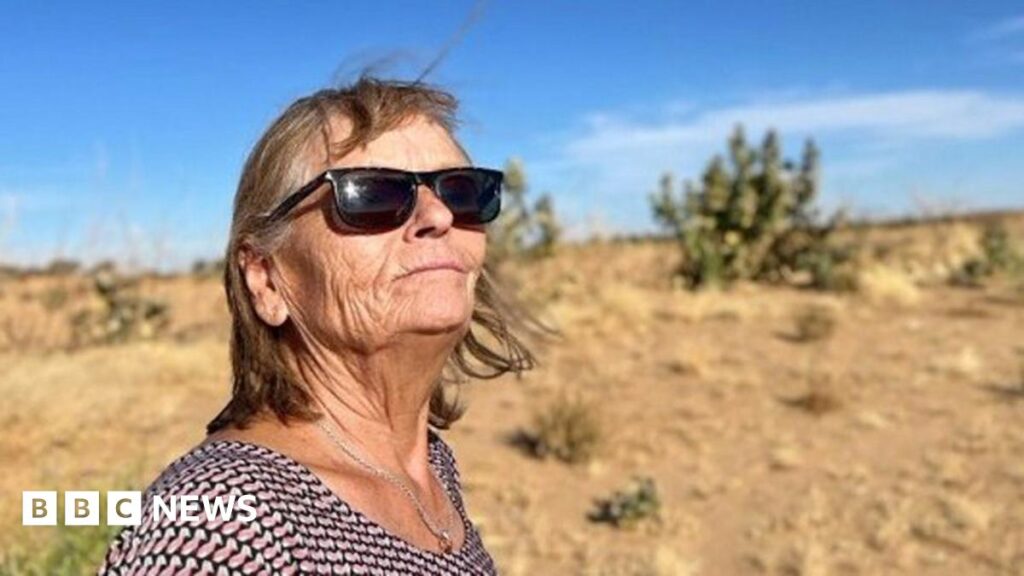
These dynamics created the conditions that allowed two European women—one Swiss and one German—to be abducted while traveling in northern Niger in early 2025, a region notorious for militant activity and human‑trafficking routes.
The captivity: how the women were taken and held
According to statements from the Swiss Federal Department of Foreign Affairs, the Swiss woman was on a humanitarian mission when her convoy was ambushed near the town of Agadez. Militants seized her vehicle and forced her into a remote compound used as a holding site for ransom negotiations.
The German citizen, a freelance journalist, was traveling independently when she was intercepted on a desert road that links Niger to the Libyan border. Sources say she was moved between several hideouts, often in cramped, makeshift shelters lacking basic sanitation.
Both women endured more than twelve months of confinement, during which they were reportedly denied regular medical care and subjected to psychological pressure. Human‑rights NGOs monitoring the region note that such conditions are typical of kidnappings in the Sahel, where captors rely on isolation to weaken bargaining positions.
Family members of the victims were kept in the dark for most of the ordeal, receiving only sporadic, vague updates through unofficial channels. This lack of transparency fed speculation in European media about the whereabouts of the hostages.
The rescue in Libya: why the operation unfolded across borders
In late September 2026, Libyan authorities announced the discovery of a hidden detention site near the town of Sabha, a known hub for migrant smuggling. Inside, they found the two women along with several other foreign nationals who had been trafficked through the Sahara.
Libyan security forces, acting on intelligence reportedly shared by French and Swiss agencies, conducted a coordinated raid that freed the captives without violence. The operation highlighted Libya’s increasingly pivotal role as a transit point for both migrants and kidnapping victims moving from the Sahel toward Europe.
The Swiss government confirmed that its citizen was en route back to Switzerland via a military flight from Tripoli, emphasizing that diplomatic channels had been instrumental in securing her release. The German woman’s status was still being clarified at the time of the announcement, according to German foreign ministry spokespeople.
Analysts note that the rescue underscores how the fragmented security environment of the Sahel can spill over into neighboring states, turning Libya into a de‑facto clearinghouse for unresolved kidnapping cases.
Why it matters: security, migration and diplomatic stakes for Africa and Europe
The incident throws into sharp relief the interconnected nature of Sahelian instability and Mediterranean migration flows. When kidnappers move hostages into Libya, they exploit the country’s chaotic law‑enforcement landscape to evade prosecution, thereby prolonging the crisis for victims and their home governments.
For European nations, the episode revives debate over the adequacy of consular protection in high‑risk zones. Switzerland’s swift repatriation effort contrasts with the slower, more bureaucratic response seen in other cases, prompting calls for a unified European rapid‑response framework for kidnapping emergencies.
In Africa, the rescue could pressure regional bodies such as the G5 Sahel to tighten cross‑border security cooperation. The United Nations Office on Drugs and Crime (UNODC) has warned that kidnapping networks often double as drug‑trafficking rings, meaning that dismantling one facet may weaken the other.
Economically, the perception of Niger as a kidnapping hotspot discourages foreign investment in sectors like mining and agriculture, which are critical for the country’s development agenda. A sustained pattern of abductions could thus erode the fragile economic recovery that followed the 2023 political transition.
What’s next: policy shifts, prevention and the outlook for hostages in the Sahel
European governments are expected to push for stronger intelligence‑sharing protocols with Sahelian states, a move that could include joint training of security forces and increased funding for counter‑kidnapping units. The Swiss Federal Council hinted at a new diplomatic outreach program aimed at bolstering Niger’s capacity to negotiate hostage releases safely.
Civil‑society organisations across Africa are urging the establishment of a regional victims‑support network, modelled on the African Union’s existing mechanisms for conflict‑affected families. Such a network would provide legal aid, psychological counselling, and a platform for families to coordinate with authorities.
Meanwhile, Libya’s role as a conduit for hostage transfers will likely attract greater scrutiny from the European Union, which has already earmarked €250 million for maritime and land‑border security in the Central Mediterranean. If Libya can demonstrate tangible progress in curbing illegal detention sites, it may unlock further assistance.
For the diaspora, the case serves as a reminder of the personal risks faced by Africans and Europeans alike when engaging with volatile regions. Community groups are already organising informational webinars on travel safety, emphasizing that awareness and preparation remain the first line of defence against kidnapping.
Quick Answers
How were the two European women rescued from captivity in Libya?
Libyan security forces, acting on intelligence shared by European partners, raided a hidden detention site near Sabha and freed the women without violence.
What impact does the kidnapping crisis in Niger have on European investors?
Frequent kidnappings deter foreign investment by raising security costs and creating uncertainty, especially in sectors like mining and agriculture that rely on stable conditions.
Will the Swiss government provide more support to families of kidnapping victims?
Switzerland announced a diplomatic outreach program to strengthen Niger’s hostage‑negotiation capacity and improve consular assistance for families.
Source: www.bbc.co.uk



💬 Comments 0