Indonesian ferry disaster: Virgo Transport 8 capsizes in Java Sea, six dead, 107 rescued, 130 missing – 2026
Background: Indonesia’s crowded waterways and safety gaps
Indonesia, an archipelago of more than 17,000 islands, depends on a massive network of ferries to move people and goods. The Java Sea, a key conduit between the islands of Java, Sumatra and Borneo, sees thousands of trips each month, many of them on vessels that are older than the routes they service. Safety standards have improved since the 2018 Sidoarjo tragedy, but enforcement remains uneven, especially in remote ports where local operators cut costs to stay competitive.
The Virgo Transport 8, a 45‑metre roll‑on/roll‑off ferry, was registered in Jakarta and operated by a small regional carrier that primarily serves migrant workers traveling between Java and the eastern islands. According to the Ministry of Transportation, the vessel had a capacity for 250 passengers but was carrying roughly 243 people on its ill‑fated voyage on September 12, 2026.
What happened: The capsizing and the rescue effort
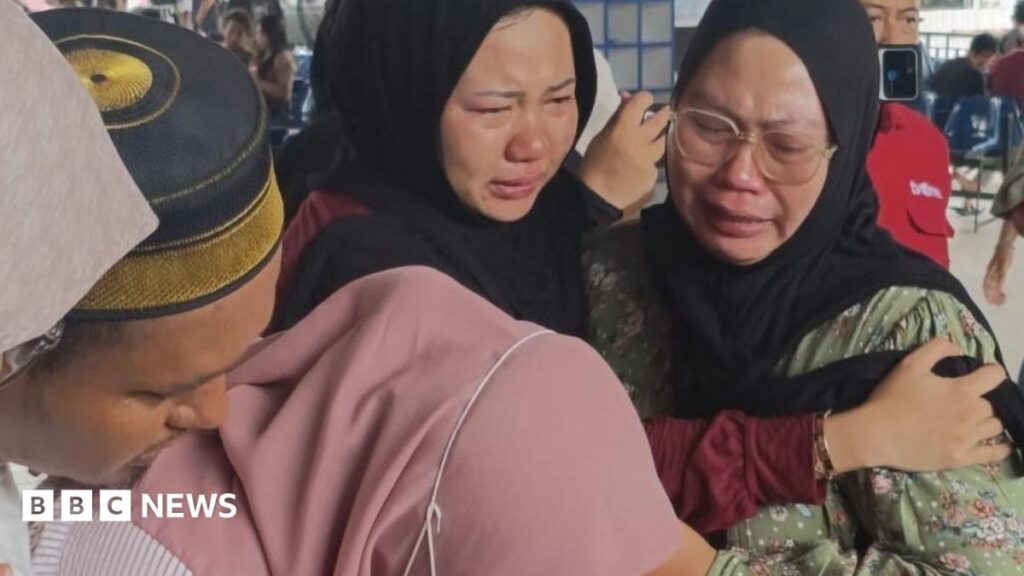
Around 02:30 local time, the Virgo Transport 8 encountered a sudden squall that brought wind speeds above 45 knots and wave heights of up to three metres. Witnesses on a nearby fishing boat reported that the ferry listed heavily before water poured in through a partially open cargo hatch, causing it to capsize within minutes. Six bodies were recovered within the first hours, while a joint operation by the Indonesian Navy, Coast Guard and local fishermen rescued 107 survivors using rubber boats and two navy helicopters.
The search for the remaining 130 passengers continues. Satellite imagery released by a maritime‑tracking service shows the wreckage scattered over a 2‑kilometre radius, making recovery operations difficult. Officials have deployed additional sonar‑equipped vessels and are coordinating with the National Search and Rescue Agency (Basarnas) to locate any survivors still trapped in the debris.
Why it matters beyond Indonesia: Trade routes, insurance and African stakeholders
The Java Sea is not only a domestic highway; it is a segment of the global maritime corridor that links East Asian manufacturers with African importers. A significant share of containerised goods destined for ports such as Lagos, Mombasa and Durban transits the Strait of Malacca before cutting across the Java Sea en route to the Indian Ocean. Disruptions in this corridor can ripple through African supply chains, inflating freight rates and delaying shipments of essential commodities like medicines and agricultural inputs.
Insurance firms that underwrite cargo moving through Southeast Asian waters have already flagged the incident as a risk‑adjustment trigger. According to a statement from African‑based insurer Allianz Africa, the frequency of ferry accidents in Indonesia may lead to higher premiums for African exporters who rely on Asian manufacturers, especially for time‑sensitive products such as electronics and textiles.
Regional parallels: Similar safety challenges in African maritime hubs
The tragedy mirrors a pattern seen in several African coastal nations where aging ferries, lax oversight, and extreme weather combine to create deadly scenarios. Nigeria’s Niger Delta, for instance, records an average of 12 ferry accidents per year, many of which involve overloaded vessels during the rainy season. Experts say the common denominator is under‑investment in modern fleet renewal and a fragmented regulatory framework.
A recent report by the African Maritime Safety Agency (AMSA) cited Indonesia’s ongoing struggle as a cautionary case study for the continent. AMSA’s director, Dr. Amina Yusuf, noted that “learning from Indonesia’s post‑disaster reforms—such as mandatory electronic vessel tracking and stricter crew certification—could help African states prevent similar loss of life.”
What’s next: Policy reforms, accountability and the road to safer seas
President Joko Widodo has ordered an emergency audit of all roll‑on/roll‑off ferries operating in the Java Sea, with a deadline for compliance by the end of 2027. The Ministry of Transportation plans to introduce a digital ticketing system that will monitor passenger loads in real time, a move praised by maritime NGOs but criticised by some operators as “bureaucratic overreach.”
Legal action is also looming. Families of the deceased have filed a class‑action lawsuit against the ferry operator, alleging negligence in vessel maintenance and failure to follow mandatory weather‑warning protocols. If the courts rule against the company, it could set a precedent for holding private carriers financially responsible for safety lapses—a development that could reverberate through African maritime law, where liability often remains ambiguous.
For African exporters, the immediate priority is to diversify routing options and build contingency plans that account for sudden disruptions in Asian ports. Trade associations are already lobbying for more transparent weather‑alert sharing between the Indian Ocean and Southeast Asian agencies, a step that could give shippers earlier warning and reduce the risk of cargo being stranded far from its final destination.
Quick Answers
How many people are still missing after the Virgo Transport 8 capsizing?
As of the latest update, 130 passengers are still unaccounted for.
Why could the Indonesian ferry disaster affect African trade?
The Java Sea is part of a major shipping lane that carries goods to African ports; disruptions can raise freight costs and delay deliveries.
What reforms is Indonesia planning after the incident?
The government will audit all roll‑on/roll‑off ferries, introduce digital passenger‑load monitoring, and tighten weather‑warning compliance.
Source: www.bbc.co.uk


💬 Comments 0