Internet shutdown hits 100 days in Pakistan‑administered Kashmir after June 2025 protests
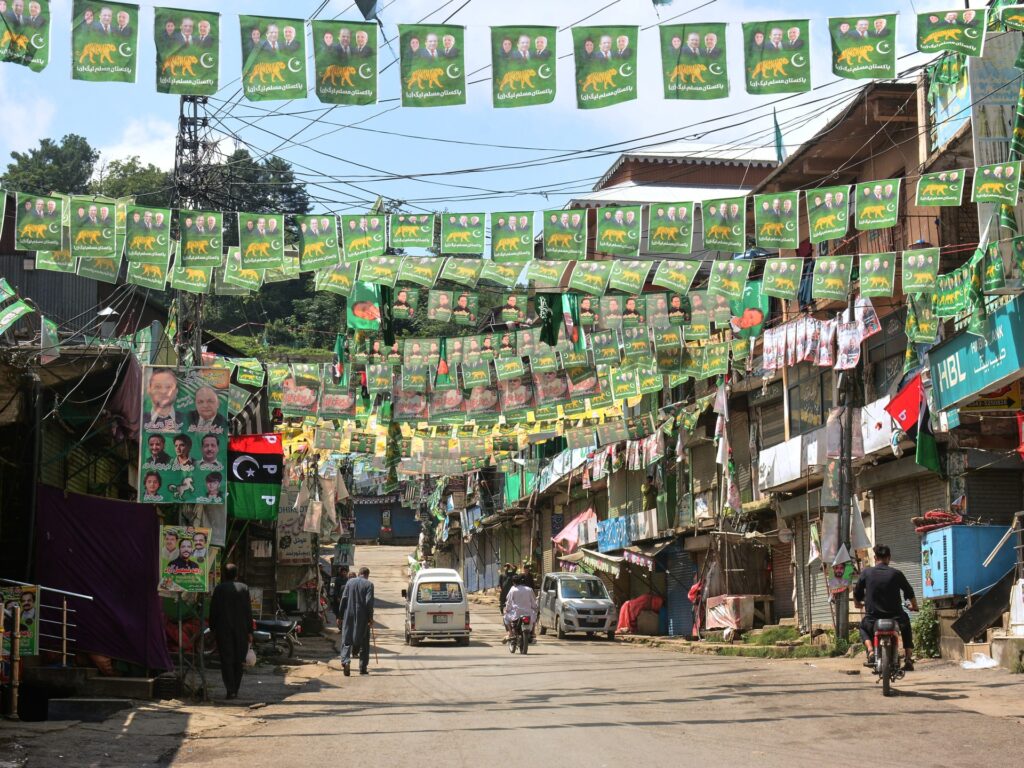
Background: Protests and the push for electoral reform
Since June 2025, residents of Azad Jammu and Kashmir (AJK) have taken to the streets demanding a revamp of the region’s electoral law, which they say favours the ruling party and marginalises opposition voices. The protests were sparked by a disputed amendment that lowered the threshold for party‑list seats, a move critics argue entrenches the incumbent’s grip on power.
AJK, a semi‑autonomous territory under Pakistani administration, has its own assembly but remains subject to federal oversight. The demand for a more transparent voting system reflects broader frustrations over perceived democratic deficits, a sentiment echoed in other parts of Pakistan during the same period.
The demonstrations were largely peaceful at first, with rallies, sit‑ins and social‑media campaigns coordinating actions across the region. However, the government’s response grew increasingly heavy‑handed, culminating in the decision to cut off internet access as a way to curb mobilisation.
The shutdown: How 100 days of silence unfolded
On 12 July 2025, authorities ordered mobile data and broadband services to be suspended across AJK, citing “national security” concerns. The order was enforced by the Pakistan Telecommunication Authority, which instructed local ISPs to block 3G, 4G and fixed‑line broadband traffic.
The blackout has been total: no social‑media posts, no messaging apps, and even basic SMS services have been intermittent. Residents report that even emergency calls are sometimes delayed because the network is overloaded with limited capacity.
According to a report by Reporters Without Borders, the shutdown has now crossed the 100‑day mark, making it one of the longest internet curbs in the sub‑continent. The United Nations has flagged the measure as a possible violation of the right to freedom of expression, but no formal complaint has been lodged.
Why it matters: Human rights, economy and public services
The prolonged lack of connectivity hampers the ability of journalists, activists and ordinary citizens to share information, effectively silencing dissent and limiting external scrutiny. Human‑rights groups argue that such a blanket restriction is disproportionate and contravenes international norms.
Economically, the shutdown has hit small businesses that rely on mobile payments and online orders. A survey by the AJK Chamber of Commerce estimated a 15 % drop in revenue for retail traders during the first month alone, a loss that compounds existing inflation pressures.
Public‑health services have also suffered. Tele‑medicine appointments, which were introduced in early 2024 to reach remote villages, have been rendered impossible, forcing patients to travel long distances for basic care. Schools that switched to digital learning during the pandemic are again stuck with paper‑based lessons, widening the education gap.
Diaspora ripple effects: From Karachi to Nairobi
The shutdown reverberates far beyond the mountains. Pakistani expatriates in Africa, especially in Kenya and Tanzania, have been following the crisis closely, using community WhatsApp groups to coordinate support for families back home. The lack of reliable updates has led many to rely on diaspora‑run blogs and satellite news feeds.
For African journalists covering South Asian affairs, the blackout creates a sourcing nightmare. Reporters in Nairobi’s International Press Club have noted that the inability to verify stories in real time forces them to depend on secondary sources, increasing the risk of misinformation spreading across the continent.
Moreover, tech firms operating in both regions—such as mobile money provider M‑Pay—are watching the AJK case as a warning sign. Their risk assessments now factor in the possibility of sudden internet restrictions when expanding services into politically volatile areas.
A global pattern: Internet shutdowns as a governance tool
The AJK blackout fits into a growing worldwide trend where governments employ digital blackouts to quell unrest. In the past two years, Ethiopia, Kenya and Nigeria have each imposed internet cuts during elections or protests, often citing “public safety”.
Human‑rights analysts point out that these shutdowns share common side‑effects: disruption of commerce, erosion of trust in state institutions, and a chilling effect on civic participation. A 2025 Freedom House study linked prolonged outages to a measurable decline in voter turnout in subsequent elections across affected countries.
Tech giants such as Google and Meta have begun lobbying for clearer international norms on internet access, arguing that arbitrary shutdowns damage their business models and undermine user safety. The AJK case adds pressure on these companies to develop contingency tools that can bypass state‑level blocks without violating local law.
What’s next: Legal challenges and possible reopening
Local civil‑society groups have filed a petition in the Islamabad High Court demanding the restoration of internet services, arguing that the shutdown violates Pakistan’s constitution. The case is expected to be heard in early 2027, but legal experts warn that courts in the region are often reluctant to confront security‑related executive orders.
Internationally, the European Union’s delegation in Islamabad has issued a diplomatic note urging “proportionate and time‑limited” measures, while the United States State Department has listed the AJK shutdown among its 2026 human‑rights concerns. Whether these statements translate into concrete pressure remains uncertain.
Analysts suggest that a negotiated settlement—perhaps a phased reopening tied to a timeline for electoral‑law reforms—could defuse the stalemate. Until then, residents will continue to navigate a digital desert, relying on satellite phones, radio broadcasts and word‑of‑mouth to stay informed.
Quick Answers
How long has the internet been shut down in Pakistan‑administered Kashmir?
The shutdown began on 12 July 2025 and has now exceeded 100 days.
Why did the government block internet access in Azad Jammu and Kashmir?
Authorities said the blackout was necessary for national security amid protests demanding electoral reform.
What impact does the shutdown have on Pakistani diaspora communities in Africa?
The diaspora relies on internet links for family support, news, and journalism; the outage forces them to use alternative, less reliable channels.
Source: www.aljazeera.com




💬 Comments 0