Iran Says US ‘Not Serious’ About Talks, Tehran Summit Seeks De‑Escalation Amid Rising Tensions
Background: A Long‑Standing Standoff
The United States and Iran have been locked in a diplomatic and economic standoff for more than a decade, rooted in Iran’s nuclear program, regional influence, and allegations of support for militant groups. The 2015 Joint Comprehensive Plan of Action (JCPOA) was a milestone, but the U.S. withdrawal in 2018 and re‑imposition of sanctions fractured the agreement and left Iran in a precarious position, both domestically and internationally.
In recent months, Iran’s leadership has faced mounting pressure: rising inflation, a struggling economy, and a public that has grown weary of the status quo. Meanwhile, the U.S. administration has been juggling domestic priorities with foreign policy, leading to a perception among Iranian officials that Washington’s commitment to a new deal is uncertain.
The Tehran Summit: Who Met and What Was Discussed
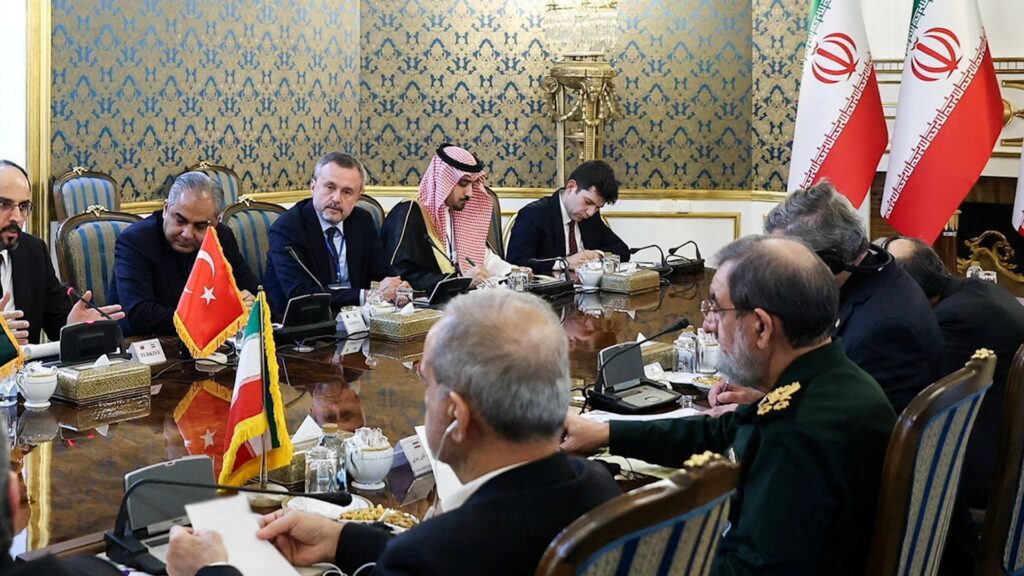
Iranian officials announced that representatives from Pakistan, Turkey, and Saudi Arabia joined them in Tehran for a high‑level meeting aimed at curbing further escalation. Pakistan, sharing a long border with Iran and facing its own security challenges, sought a stable regional environment to protect its economic interests. Turkey, a key NATO partner and a regional power, has historically balanced relations with both Iran and the U.S., while Saudi Arabia—whose rivalry with Iran has shaped Gulf politics—appears to be looking for a diplomatic path to reduce tensions.
The meeting reportedly focused on the broader framework of U.S.–Iran negotiations, the status of sanctions, and regional security concerns. While no concrete agreements were announced, the presence of these four influential states signaled a regional coalition eager to keep the diplomatic channel open and to mitigate the risk of military confrontation.
Why the US “Not Serious” Stance Matters
Iranian officials’ claim that the U.S. is “not serious” about talks is more than rhetoric; it reflects a perception that Washington’s priorities have shifted. The U.S. administration has been preoccupied with domestic issues such as infrastructure spending and climate policy, and its foreign policy apparatus has been stretched thin by other global commitments.
This perceived lack of seriousness threatens to derail any progress on the nuclear deal and could prompt Iran to adopt a more confrontational posture. A hardening stance may lead to renewed sanctions, further economic isolation, and a potential spiral of retaliatory measures. The situation underscores the fragility of diplomatic momentum in a world where global power dynamics are constantly shifting.
Regional Ripple Effects: Impact on Gulf, Middle East, and African Markets
The Middle East’s oil market is highly sensitive to any change in geopolitical tensions. A renewed U.S.–Iran confrontation could tighten supply routes, especially around the Strait of Hormuz, a critical chokepoint for global oil shipments. African economies that rely heavily on imported oil—such as Nigeria, Angola, and Kenya—could face higher energy costs, putting pressure on their already fragile finances.
Beyond oil, the potential for increased sanctions could ripple into the broader economic landscape, affecting trade agreements, foreign investment, and remittance flows. African diaspora communities in the United States and Europe, many of whom maintain financial ties with family members in the region, may experience disruptions in remittance channels and heightened uncertainty in cross‑border transactions.
Moreover, the regional dynamics between Saudi Arabia and Iran have a direct bearing on the stability of the Gulf Cooperation Council (GCC) states. A failure to de‑escalate could lead to heightened security spending, diverting resources from developmental projects across the region and, by extension, impacting African nations that depend on Gulf investment for infrastructure and energy projects.
What’s Next: Potential Pathways and Diplomatic Timelines
The next phase hinges on several variables. If Washington can demonstrate a renewed commitment—perhaps by easing certain sanctions in exchange for verifiable progress on nuclear compliance—it could reignite the negotiation process. Conversely, a hardening of U.S. policy may force Iran to seek alternative diplomatic allies, potentially reshaping the regional alliance structure.
Pakistan, Turkey, and Saudi Arabia could play a pivotal role in bridging gaps, but their own domestic challenges—such as Turkey’s economic instability and Saudi Arabia’s Vision 2030 reforms—may limit their capacity to influence U.S. policy directly.
In the short term, observers expect a series of back‑channel meetings, followed by a formal trilateral summit between Tehran, Washington, and the European Union, which has been a consistent mediator. The timeline for such a summit remains uncertain, but the urgency is clear: the longer the stalemate persists, the greater the risk of a diplomatic breakdown that could destabilize the entire region and ripple into global markets.
Quick Answers
Why does Iran claim the US is not serious about talks?
Iranian officials argue that the U.S. has shifted its focus to domestic issues and other foreign policy priorities, leading to a perceived lack of genuine commitment to renegotiate the nuclear deal.
How could escalating tensions affect African economies?
Increased oil supply risks and potential sanctions could raise energy prices and disrupt trade flows, impacting African nations that heavily rely on imported oil and Gulf investment.
What role could Pakistan, Turkey, and Saudi Arabia play in de‑escalation?
These countries can act as regional intermediaries, leveraging their diplomatic ties to encourage dialogue, but their domestic constraints may limit their influence on U.S. policy decisions.
Source: www.aljazeera.com



💬 Comments 0