Iran Upholds 100 Lashes for Singer Parastoo Ahmadi Over Hijab‑Free Livestream, 2026
Background: Iran’s dress code enforcement and cultural policing
Since the 1979 Islamic Revolution, Iran has imposed strict dress codes on women, mandating the hijab in public spaces and penalising any perceived breach as a moral offense. The legal framework, anchored in the Islamic Penal Code, allows judges to levy fines, imprisonment, or corporal punishment for “offending public decency.” In recent years, the judiciary has increasingly used these provisions to target artists, journalists and social media influencers whose work is deemed culturally subversive.
High‑profile cases have set precedents that reverberate across the creative sector. In 2022, a popular rapper was sentenced to six months in prison for lyrics that referenced Western pop culture, while a female filmmaker faced a ban after a documentary highlighted gender‑based violence. These rulings signal a broader strategy to curb any public expression that challenges the state’s narrative on modesty and morality.
The Ahmadi case: From livestream to courtroom
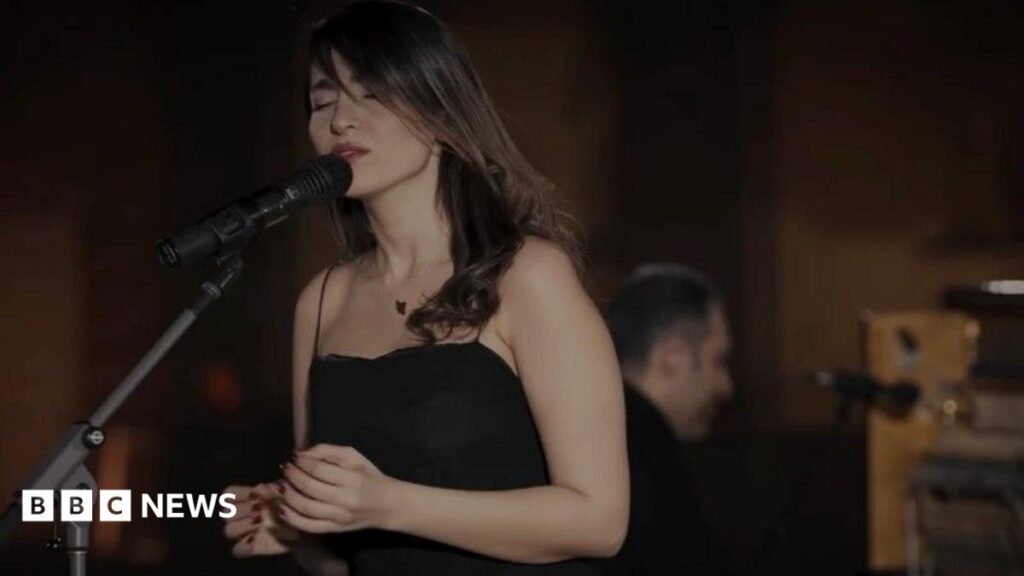
Parastoo Ahmadi, a 28‑year‑old Tehran‑based singer, streamed a concert on a popular video‑sharing platform in March 2026. Dressed in a sleeveless, non‑hijab outfit, she performed two original songs and a cover of a Western pop hit. Within hours, the video was flagged by a government‑run monitoring unit, and Ahmadi was arrested on charges of “offending public decency.”
A Tehran court heard the case in August 2026 and, after a brief deliberation, upheld a sentence that includes 100 lashes administered in a public setting, a fine of 500 million rials, and a six‑month ban on public performances. The judge cited precedent from 2019, when a similar punishment was imposed on a female dancer for a non‑conforming costume, arguing that the penalty serves as a deterrent to other artists.
Why the ruling matters beyond Iran’s borders
The verdict sends a chilling signal to the digital‑first generation of Iranian creators who rely on livestreams, TikTok, and Instagram to reach audiences beyond state‑controlled media. By criminalising a single outfit choice, the judiciary effectively forces artists to self‑censor, limiting the cultural exchange that has flourished online over the past decade.
International human‑rights organisations, including Amnesty International, have condemned the punishment as a violation of freedom of expression and bodily integrity. The case also raises questions for global streaming platforms about their responsibility to protect creators from state‑sanctioned violence. If platforms continue to host content that can trigger punitive measures, they risk becoming inadvertent tools of repression.
Echoes in Africa: Parallel battles over artistic freedom
While Iran’s legal apparatus is uniquely theocratic, the underlying tension between state control and artistic liberty mirrors struggles across Africa. In Nigeria, for instance, the National Broadcasting Commission has intermittently banned music videos that feature “indecent” dress, prompting protests from musicians and fans. Similarly, Sudan’s 2023 crackdown on public performances sparked a diaspora‑led campaign that used encrypted livestreams to bypass censorship.
For African‑born Iranian diaspora communities, Ahmadi’s sentence resonates as a reminder that cultural repression is not confined to one region. Nigerian‑Iranian rapper Aisha Bello, who blends Persian poetry with Afro‑beat rhythms, recently tweeted that the verdict underscores the need for a trans‑continental solidarity network among artists facing dress‑code enforcement. Such cross‑regional alliances could amplify pressure on governments that weaponise modesty laws to silence dissent.
What’s next: Legal appeals, diplomatic pressure and platform policy shifts
Ahmadi’s legal team has filed an appeal to the Tehran Court of Appeals, arguing that corporal punishment violates Iran’s constitutional guarantees of dignity. Past appeals in similar cases have occasionally resulted in reduced sentences, but the judiciary’s recent hard‑line stance makes a reversal uncertain.
The European Union, which announced new sanctions on Iranian officials involved in human‑rights abuses in July 2026, is expected to add cultural‑rights violators to its watch list. Meanwhile, major streaming services are revisiting their terms of service for users in Iran, with some promising “safe‑harbor” clauses that could shield creators from state‑initiated takedowns. Whether these measures will translate into concrete protection for artists like Ahmadi remains to be seen.
Quick Answers
What punishment did Parastoo Ahmadi receive for performing without a hijab?
She was sentenced to 100 lashes, a fine of 500 million rials, and a six‑month ban on public performances.
How does Ahmadi’s case affect other Iranian artists?
The ruling intensifies self‑censorship among creators who fear similar corporal penalties for non‑conforming dress or content.
Are there similar dress‑code restrictions on artists in African countries?
Yes; Nigeria’s broadcasting regulator and Sudan’s public‑performance bans illustrate comparable state‑driven limits on artistic expression.
Source: www.bbc.co.uk




💬 Comments 0