Ismail Kartal Returns to Fenerbahce after Resignation Confusion – Sep 2026
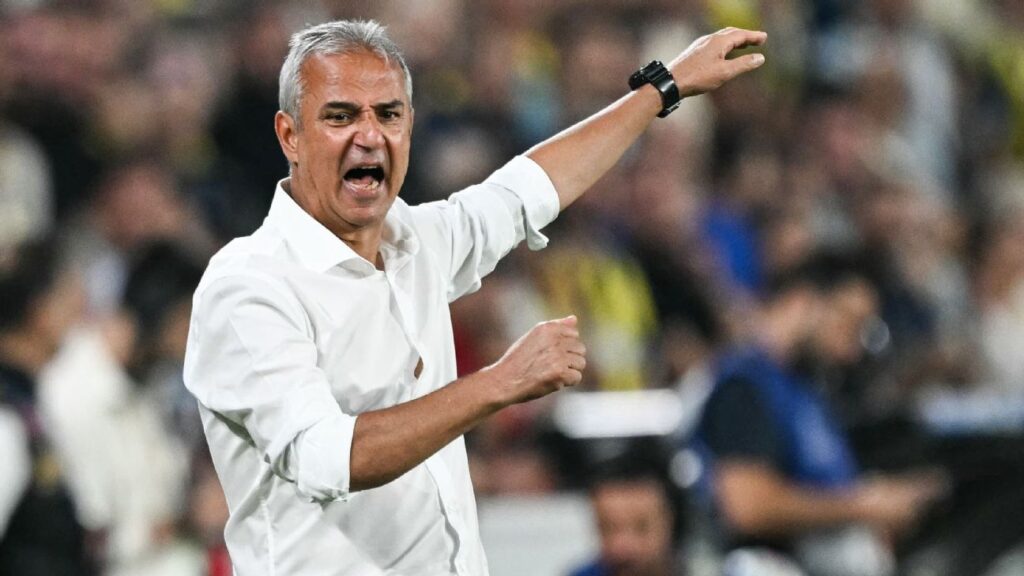
Background: A turbulent season for the Istanbul giants
Fenerbahce entered the 2026‑27 Süper Lig campaign with lofty expectations after finishing second the previous year and reaching the Europa League knockout stage. The club hired Ismail Kartal in July, hoping his experience with Turkish youth sides would translate into a more dynamic, possession‑based approach that could finally break the dominance of arch‑rivals Galatasaray and Beşiktaş.
Kartal’s early tenure was marked by a mixed bag of results: a thrilling 3‑2 victory over Trabzonspor was followed by a surprising 0‑1 loss to newly promoted Altay. The inconsistency sparked criticism from a vocal fan base that is accustomed to demanding titles, and the board’s patience began to wear thin as the team hovered around the top three.
Beyond the on‑field drama, Fenerbahce’s financial picture remains precarious. The club is still repaying a €150 million loan taken to fund stadium renovations, and any disruption in performance threatens sponsorship deals that are crucial for stabilising cash flow.
The resignation saga: media frenzy and club clarification
On Saturday, early morning reports from Turkish outlet Fanatik claimed that Kartal had handed in his resignation after a heated meeting with the sporting director. The story spread quickly on social media, prompting a wave of speculation that the club would appoint a high‑profile foreign coach before the winter transfer window opened.
Within hours, Fenerbahce’s official website posted a brief statement saying the coach had merely taken a short leave to discuss contract terms, and that he would resume training duties the same day. The club’s president, Ali Koç, later clarified in a televised interview that no resignation had been submitted and that the confusion stemmed from a misinterpreted email exchange.
Sources close to the board, speaking on condition of anonymity, suggested that internal disagreements over player recruitment—particularly the future of several African forwards on loan—had fueled the rumors. They noted that the club’s legal team was reviewing the contract language to avoid any loophole that could be exploited by disgruntled parties.
Why the drama matters for African players in Turkey
Turkey has become a key destination for African talent over the past decade, with the Süper Lig hosting more than 120 players from the continent in the 2025‑26 season. Stars like Ghana’s Jordan Ayew, Nigeria’s Victor Boniface, and Cameroon’s André Onana have used Turkish clubs as springboards to the top five European leagues.
Coaching stability directly influences how these players develop. A sudden change in tactics or managerial philosophy can jeopardise a striker’s role, affect his market value, and even trigger early contract terminations. Kartal’s brief departure raised concerns among agents that his preferred high‑press system—favoured by many African forwards for its emphasis on speed and physicality—might be abandoned if a new coach arrives.
Moreover, the uncertainty affects the broader African scouting network. Turkish clubs often act as intermediaries, purchasing players from academies in Ghana, Senegal, and Nigeria before exporting them to Western Europe. A stable coaching environment reassures scouts that their investments will be nurtured rather than discarded in a managerial shuffle.
Coaching turnover: a pattern that sidelines African ambition
Fenerbahce’s episode is not isolated. In the last five years, the club has dismissed eight head coaches, a turnover rate that far exceeds the European average. This volatility mirrors a wider trend in elite football where short‑term results trump long‑term planning, often to the detriment of players from less‑represented regions.
African coaches looking to break into Europe cite the Turkish league as a realistic entry point. The erratic nature of appointments, however, creates a perception that foreign managers—especially those without a high‑profile playing résumé—are expendable. According to a 2025 report by the African Football Coaches Association, only three African head coaches have held top‑flight positions in Turkey since 2010, and all left within two seasons.
The implication is clear: without a commitment to managerial continuity, clubs risk alienating both African talent and the coaches who could bridge cultural gaps. This could push promising African coaches to seek opportunities in less volatile leagues, potentially slowing the diversification of tactical ideas across Europe.
Reactions, next steps and what fans should watch for
Fenerbahce supporters took to the club’s official forum to voice relief that Kartal was back on the touchline. Many posted memes celebrating the “return of the hero” while warning the board against another hasty dismissal. Veteran fan groups also called for greater transparency in contract negotiations, demanding that future disputes be settled away from public speculation.
From a sporting perspective, the immediate priority for Kartal is to steady the team’s form ahead of the crucial derby against Galatasaray in late October. Analysts at the Turkish Sports Institute predict that a stable coaching setup could add three to five points to Fenerbahce’s tally, enough to keep the club within striking distance of the title.
The board has signalled that it will review its internal communication protocols to prevent a repeat of the resignation mix‑up. In the longer term, Fenerbahce’s management is expected to outline a clear recruitment strategy that balances European stars with the growing pool of African talent—a move that could cement the club’s reputation as a gateway for the continent’s footballers.
Quick Answers
Did Ismail Kartal actually resign from Fenerbahce?
No, the club confirmed that Kartal never submitted a resignation; the reports were based on a misinterpreted internal email.
How could this coaching saga affect African players at Fenerbahce?
Instability may disrupt the playing style that suits many African forwards, potentially lowering their performance, market value, and chances of future transfers.
What does the incident reveal about coaching turnover in Turkish football?
It highlights a broader pattern of frequent managerial changes that can hinder long‑term development, especially for African coaches and players seeking stability.
Source: www.espn.com




💬 Comments 0