Israel 2026 election and US midterms: what they mean for Africa’s economy and diaspora
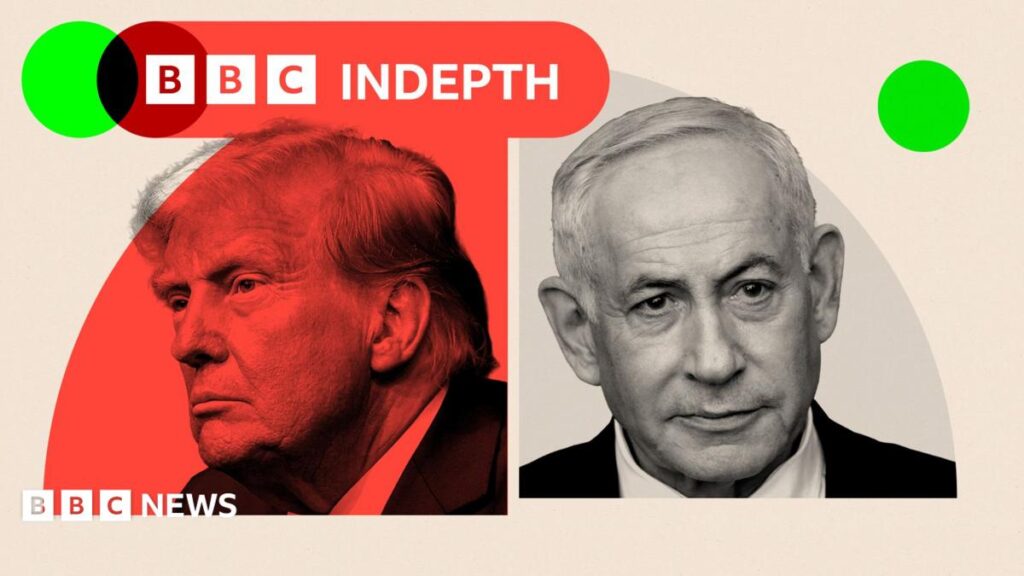
Background: two contests, one world
On November 1, 2026, Israelis will head to the polls to choose a new prime minister and a reshuffled Knesset, while two weeks later, on November 15, American voters will decide the balance of power in the House of Representatives and several key Senate seats. Both elections arrive amid lingering war fatigue in the Middle East and a post‑pandemic economic recalibration in the United States, setting the stage for policy shifts that could reverberate far beyond their borders.
In Israel, the incumbent coalition faces criticism over its handling of the Gaza conflict and rising cost‑of‑living pressures, prompting opposition parties to rally around a platform of security guarantees and socioeconomic reform. In the United States, the midterm battle pits a divided Congress against a president seeking a second term, with issues such as climate legislation, trade policy, and immigration taking centre stage.
Analysts note that the timing is unusual: two major democracies are voting within weeks of each other, meaning that diplomatic messaging, aid packages, and market reactions will be processed almost simultaneously. This overlap forces foreign governments, including those in Africa, to prepare for a rapid succession of policy announcements rather than a staggered rollout.
Security ripple effects for Africa and the Sahel
Israel’s foreign‑policy posture after the election will directly affect security cooperation with several African states that rely on Israeli expertise in counter‑terrorism, drone surveillance and border management. According to the African Union’s security brief, countries such as Kenya, Ethiopia and Nigeria have signed joint training agreements with Israel over the past decade, and any shift in Israeli defence spending could reshape those programmes.
If a hard‑line government wins in Jerusalem, experts at the International Crisis Group warn that Israel may prioritize its own regional deterrence over external partnerships, potentially slowing technology transfers to African militaries. Conversely, a centrist or left‑leaning coalition could expand existing collaborations, offering cheaper unmanned‑air‑system kits that African forces have been eyeing to combat insurgents in the Sahel.
The United States, meanwhile, remains the largest donor of security assistance to the continent. A change in congressional control could either bolster or curtail funding for initiatives like the African Contingency Operations Training and Assistance (ACOTA) program. Sources in Washington say that a Republican‑led House may push for stricter oversight, while a Democratic Senate could champion increased budgets for climate‑linked security projects.
Economic stakes: trade, aid and commodity markets
Both elections sit at a crossroads of global trade policy. Israel’s potential pivot toward a more protectionist stance could affect its burgeoning tech export pipeline to African startups, many of which rely on Israeli venture capital and cloud‑infrastructure services. A report by the Africa‑Israel Business Council notes that Israeli investment in African fintech rose 27 % in 2025, a trend that could stall if new tariffs are introduced.
In the United States, the midterms will decide whether the Inflation Reduction Act’s clean‑energy incentives stay on track. African nations exporting copper, lithium and rare earths—key inputs for the US green‑energy push—are watching closely. A Democratic Senate is likely to keep the incentives alive, which would sustain demand for African minerals, while a Republican‑controlled Congress might temper subsidies, potentially dampening commodity prices.
Remittances also hang in the balance. The US remains the top source of diaspora money to sub‑Saharan Africa, accounting for roughly $70 billion in 2025. A shift in fiscal policy that tightens tax enforcement on overseas earnings could reduce the flow, affecting household incomes in Nigeria, Ghana and Kenya. Conversely, a pro‑diaspora agenda could formalise new channels for digital transfers, benefiting both senders and recipients.
Diaspora dynamics: voting power and cultural influence
The African diaspora in the United States, estimated at over 2 million people, is increasingly recognised as a swing‑voter bloc in key swing states. Community organisations in New York, Maryland and Minnesota have launched voter‑education drives that focus on foreign‑policy questions, such as US aid to Ethiopia’s Tigray region and trade agreements with the African Continental Free Trade Area (AfCFTA). According to the African American Institute, turnout among African‑born voters could rise by as much as 12 % compared with the 2022 midterms.
In Israel, a small but growing community of African students and professionals—many from Ethiopia, Nigeria and South Africa—has begun to organise around issues of immigration reform and anti‑racism legislation. Their visibility in the election discourse could pressure candidates to adopt more inclusive rhetoric, especially after the 2024 controversy over citizenship pathways for African migrants.
Both diasporas are also leveraging cultural soft power. Nigerian musicians touring Europe and the US have been vocal about the elections, linking democratic participation to the freedom to create and export African art. Israeli tech incubators are courting African creators to develop content‑distribution platforms, a partnership that could gain momentum depending on the post‑election regulatory climate.
What’s next: scenarios African leaders should monitor
If Israel elects a coalition that leans toward deeper regional integration, African governments can expect accelerated joint‑research programmes in water desalination and renewable energy—areas where Israeli firms have already signed MoUs with Morocco and Senegal. Ministries of science and technology are advised to file partnership proposals before the end of 2026 to lock in funding before any policy reversal.
A US House swing toward the opposition party could mean tighter scrutiny of foreign‑aid budgets, prompting African ministries to diversify funding sources. Early‑year negotiations with China, the Gulf Cooperation Council and the European Union may become more urgent, especially for infrastructure projects that were previously US‑backed.
Finally, civil‑society groups across Africa should prepare advocacy campaigns that target both Israeli and American legislators. By highlighting the mutual benefits of stable security cooperation and reliable commodity demand, African NGOs can shape the post‑election narrative and protect the interests of their constituencies.
Quick Answers
When are the Israeli and US elections in 2026?
Israel votes on November 1, 2026, while the United States holds its midterm elections on November 15, 2026.
How could the US midterms affect African economies?
Changes in congressional control could alter climate‑energy subsidies, trade tariffs and foreign‑aid budgets that influence demand for African minerals and the flow of US remittances.
What impact might Israel’s election have on African security cooperation?
A government that maintains or expands defence ties could increase drone and surveillance technology transfers to African states, while a more isolationist administration might slow or halt such collaborations.
Source: www.bbc.co.uk




💬 Comments 0