Israel says it destroyed Hezbollah base on Lebanon’s Ali al‑Taher ridge, Jan 2026
Background: The ridge that anchors the Israel‑Lebanon front
The Ali al‑Taher ridge runs along the western flank of the Lebanon‑Israel border and has been a contested high‑ground for decades. Its elevation gives whoever holds it a clear line of sight over the surrounding valleys, making it a prized observation and artillery platform for both the Israeli Defence Forces (IDF) and Hezbollah’s southern Lebanon units. Since the 2006 war, the ridge has seen a series of skirmishes, but it never fully fell under the control of either side, leaving a fragile stalemate that shaped the security calculus of the whole region.
In late 2025, Israeli officials announced that they had achieved “operational control” over the ridge after a series of ground incursions and artillery duels. The claim was meant to signal a shift in the balance of power, showing that the IDF could push beyond its traditional defensive line and threaten Hezbollah’s supply routes in the Bekaa Valley. That announcement set the stage for the latest strike, which Israel says targeted a hardened Hezbollah command post built on the ridge.
What happened: The Jan 2026 strike on the Hezbollah base
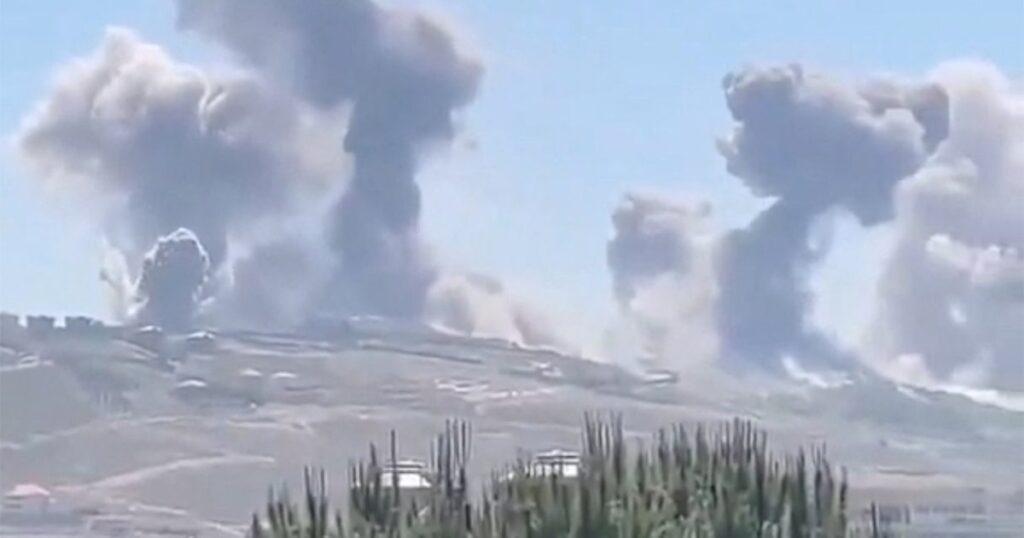
On 8 January 2026, the IDF launched a coordinated air and artillery operation against a complex of underground bunkers that intelligence services had identified as a Hezbollah command centre on the Ali al‑Taher ridge. According to Israeli military statements, the strike used precision‑guided munitions and lasted less than ten minutes, leaving the structure in ruins and reportedly killing several senior operatives. Video clips posted by the IDF showed smoke rising from the site, while Hezbollah’s own channels later confirmed that the base had been hit but downplayed the damage.
The timing of the attack is notable because it came just a week after Israel publicly declared it had secured operational control of the ridge. By hitting the base, the IDF aimed to cement its foothold and deny Hezbollah the ability to regroup or launch counter‑attacks from that high ground. Sources close to the Lebanese armed forces said the strike also disrupted a network of communication tunnels that linked the ridge to Hezbollah’s logistics hubs in the south.
Why it matters: Shifting the tactical calculus in southern Lebanon
Destroying a key Hezbollah installation on the Ali al‑Taher ridge changes the tactical landscape of the Israel‑Lebanon border. With the ridge now under tighter Israeli surveillance, Hezbollah’s ability to fire rockets or mortar shells into northern Israel is expected to be curtailed, at least in the short term. Analysts in Tel‑Aviv argue that the move forces the militant group to relocate its assets farther south, stretching its supply lines and exposing them to further interdiction.
The strike also carries symbolic weight. Hezbollah, backed by Iran and Syria, has long portrayed itself as the guardian of Lebanese sovereignty against Israeli aggression. By publicly announcing the destruction of a “base”, Israel is not only targeting a military asset but also challenging Hezbollah’s narrative of invincibility. This could embolden other Lebanese factions that are wary of Hezbollah’s dominance, potentially reshaping internal Lebanese politics.
Regional ripple effects: From Gaza to the Gulf
The operation cannot be viewed in isolation from the wider Middle‑East conflict that has intensified since the Gaza war erupted in late 2023. Israel’s northern front has been a secondary theater, but any escalation there risks opening a second front that could divert Israeli resources from Gaza. Iranian officials, who fund Hezbollah, condemned the strike as “an act of aggression against the Lebanese people” and hinted at a proportional response, raising concerns about a broader escalation.
Beyond the immediate combatants, the strike reverberates in the Gulf’s energy markets. The ridge sits near the route of several oil pipelines that run from the Mediterranean to the Red Sea. While the pipelines themselves were not directly affected, investors monitor any uptick in border tension as a potential threat to the security of oil shipments that pass through Lebanese ports, a factor that can influence crude price benchmarks used across Africa.
African connections: Diaspora, markets and diplomatic stakes
For the sizeable African diaspora living in Lebanon—particularly Nigerians, Ghanaians, and Ethiopians—the escalation raises immediate safety concerns. Community leaders in Beirut have called for heightened security around neighbourhoods where African migrants work in construction and hospitality, warning that any spill‑over violence could trigger targeted attacks or arbitrary arrests. In the past, Lebanese police have been criticized for profiling African residents during periods of heightened tension, a pattern that could re‑emerge if clashes intensify.
African economies that rely on Lebanese trade routes also feel the impact. Lebanon exports a significant amount of Lebanese‑produced goods, such as textiles and agricultural products, to North African markets. Disruptions at the border could delay shipments, increasing costs for import‑dependent businesses in Egypt, Algeria and Morocco. Moreover, several African sovereign wealth funds hold positions in Israeli defense companies; the strike may influence their risk assessments and future investment decisions.
What’s next: Anticipating retaliation and diplomatic moves
Hezbollah has not yet issued a formal response, but its military wing traditionally follows a pattern of “proportional retaliation” after a high‑profile Israeli strike. Security analysts expect a series of rocket barrages aimed at Israeli border towns within the next few days, accompanied by guerrilla attacks on Israeli patrols near the ridge. The IDF has warned that any such retaliation will be met with “decisive” force, suggesting a possible escalation loop.
On the diplomatic front, the United Nations Interim Force in Lebanon (UNIFIL) is likely to request an emergency briefing from both sides to prevent a broader conflict. Meanwhile, the African Union’s diplomatic corps, which maintains observer status at UN meetings, may push for a resolution calling for restraint, citing the potential humanitarian fallout for African migrants in the region. The coming weeks will test whether the ridge can become a flashpoint or remain a contained skirmish.
Quick Answers
What is the strategic importance of the Ali al‑Taher ridge?
The ridge offers high‑ground observation and artillery positions that control key valleys along the Israel‑Lebanon border, making it vital for both Israeli and Hezbollah forces.
How could the strike affect African migrants in Lebanon?
Increased border tension may lead to tighter security checks and possible profiling of African communities, raising safety concerns for migrants working in the country.
Will the strike likely trigger a wider conflict?
While Hezbollah may retaliate with limited rocket fire, both sides have warned against a full‑scale war, and UNIFIL is expected to mediate to keep the clash localized.
Source: www.aljazeera.com




💬 Comments 0