Israel’s 2026 Election Stalemate: No Clear Winner, Coalition Talks Expected to Drag On
Background: A volatile political landscape
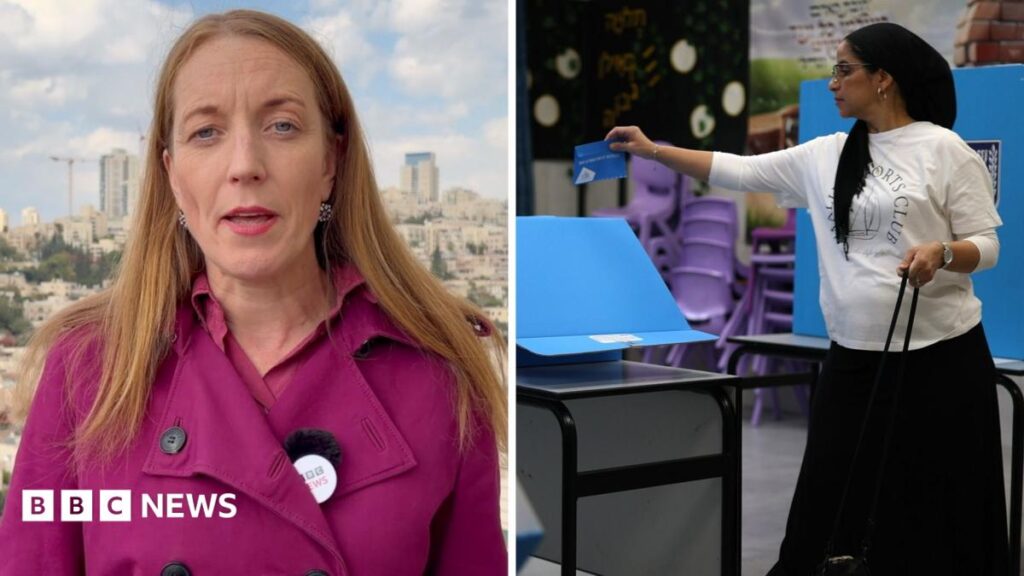
Israel’s parliamentary system has long produced coalition governments, but the 2026 vote was marked by an unprecedented level of voter enthusiasm. Turnout reached 78%, the highest since the 1996 elections, reflecting deep public fatigue with repeated snap polls and a yearning for stability.
The country entered the campaign after three consecutive elections in less than two years, each ending in fragile coalitions that fell apart over budget disputes and security disagreements. Prime Minister Benjamin Netanyahu’s Likud party, the centrist Yesh Atid bloc, and the left‑wing Labor‑Meretz alliance all vied for a decisive mandate, but none could secure the 61 seats needed for an outright majority.
Israel’s mixed‑member proportional representation means that even a modest shift in vote share can dramatically alter the balance of power. Smaller parties, especially those representing Arab Israelis and religious constituencies, often become king‑makers, a fact that shaped the post‑election calculations of all major blocs.
The Election Result: A fragmented Knesset
When the final count was released, Likud emerged with 30 seats, Yesh Atid with 27, and a coalition of left‑wing and Arab parties secured 20. No single party or pre‑election alliance crossed the 61‑seat threshold, leaving the 120‑member Knesset divided among at least ten factions.
The lack of a clear winner forces Israel into a prolonged period of coalition bargaining, a process that can stretch for weeks or months. According to the Israeli Central Elections Committee, the deadline for forming a government is 28 days after the election, after which a new election must be called if no coalition is approved.
Early signals suggest that traditional partners are unlikely to bridge the ideological chasm. Likud’s hard‑line security stance clashes with Yesh Atid’s push for judicial reforms, while the Arab parties demand a more robust approach to the Palestinian question—issues that have historically stalled coalition talks.
Why It Matters: Domestic and regional stakes
Domestically, the stalemate threatens to delay key policy initiatives that were already on a tight timetable, such as the national budget for 2027 and the controversial judicial overhaul that sparked mass protests in 2023. A delayed budget could affect public sector salaries, defense procurement, and social welfare programs.
Regionally, Israel’s security posture is under intense scrutiny. Ongoing tensions with Hezbollah in Lebanon and the volatile situation in Gaza mean that any perceived weakness in the Israeli government could embolden adversaries. Analysts at the Institute for National Security Studies warned that prolonged negotiations might limit Israel’s ability to respond swiftly to border incidents.
Economically, uncertainty can dampen foreign investment. Israel’s tech sector, often hailed as the “Start‑up Nation,” relies on stable policy environments to attract venture capital. A drawn‑out coalition process may cause investors to pause new funding rounds, potentially slowing the pipeline of innovations that feed both local markets and overseas partners.
African connections: How the deadlock could ripple across the continent
Israel has deepened ties with several African nations over the past decade, especially in agricultural technology, water management, and defense cooperation. Countries such as Kenya, Ethiopia, and Nigeria have signed multi‑year agreements to import Israeli drip‑irrigation systems and drone‑based monitoring tools that boost food security.
Political instability in Jerusalem can affect the implementation of these projects. For instance, a delay in approving new export licences for Israeli agri‑tech firms could stall shipments to Ethiopia’s drought‑prone regions, where the Ministry of Agriculture has earmarked $45 million for Israeli‑sourced equipment in 2026.
The Israeli diaspora in South Africa and the United Kingdom also plays a role in channeling business links. Community leaders have expressed concern that a protracted government formation could distract senior officials from attending key trade missions scheduled for early 2027, jeopardising deals worth an estimated $200 million in joint ventures across the continent.
Reactions: From the streets of Tel Aviv to global capitals
Inside Israel, citizens took to the streets both in celebration of the high turnout and in frustration over the deadlock. Protesters outside the Knesset chanted slogans demanding a swift, inclusive government, while supporters of smaller parties held rallies highlighting the need for minority voices in any coalition.
Internationally, the United States issued a diplomatic note urging Israeli leaders to “expedite a stable government that can address security challenges and uphold democratic norms.” The European Union’s foreign policy chief echoed the sentiment, stressing that a functional Israeli government is essential for the broader Middle‑East peace process.
African foreign ministries responded with measured optimism. Kenya’s ambassador to Israel, Dr. Mwangi Karanja, said in a press briefing that “the longstanding partnership on water security will continue regardless of internal politics, but a predictable Israeli policy environment is vital for scaling up joint projects.” Similar statements came from Nigeria’s Ministry of Foreign Affairs, underscoring the pragmatic approach African states are taking.
What’s next: Coalition scenarios and timelines
The most likely outcome is a Likud‑Yesh Atid partnership, which would require concessions on both security and judicial reforms. Sources close to the negotiations told Al‑Jazeera that Likud is prepared to soften its stance on the judiciary in exchange for Yesh Atid’s support on budget allocations for defense spending.
A second possibility involves a left‑wing coalition that includes the Arab parties, potentially forming a government focused on a two‑state solution and social welfare expansion. However, this scenario faces opposition from right‑wing factions and would need a delicate balancing act to maintain Israel’s strategic alliances, especially with the United States.
If coalition talks fail by the 28‑day deadline, Israel will be forced into a fifth election within three years, a prospect that political scientists warn could erode public trust and further destabilise the region. In the meantime, ministries are expected to operate in a caretaker mode, handling only essential functions while major policy decisions are put on hold.
Quick Answers
When is Israel expected to form a new government after the 2026 election?
Israel has 28 days from the election date to assemble a coalition; otherwise a new election must be called.
How could Israel's election deadlock affect African tech partnerships?
Delays in policy approvals could postpone shipments of Israeli agricultural and water‑tech solutions to African countries, potentially slowing projects worth tens of millions of dollars.
What are the main coalition options after the 2026 vote?
Analysts see a Likud‑Yesh Atid alliance as the most probable, while a left‑wing bloc with Arab parties remains a distant but possible alternative.
Source: www.bbc.co.uk




💬 Comments 0