Italian Foreign Minister Antonio Tajani data leak blamed on pro‑Russian hackers sparks EU cyber‑security alarm 2026
Background: Italy’s diplomatic reshuffle and cyber‑risk landscape
In early 2026 Italy appointed veteran politician Antonio Tajani as foreign minister, a move that signalled Prime Minister Giorgia Meloni’s desire for continuity in Europe‑focused foreign policy. Tajani, a former president of the European Parliament, quickly became a high‑profile target for cyber‑espionage due to his frequent travel to NATO and EU summits. The Italian government had already warned of a surge in state‑backed hacking attempts after several diplomatic emails were intercepted in late 2025.
Across Europe, cyber‑security agencies reported a 38% rise in attacks attributed to groups with alleged links to the Russian intelligence services. These actors have shifted from classic ransomware to more nuanced operations aimed at leaking personal data of politicians to sow distrust and destabilise alliances. The Italian Ministry of Foreign Affairs confirmed that Tajani’s personal phone number, home address, and private email were posted on a dark‑web forum in early November.
The leak and immediate fallout
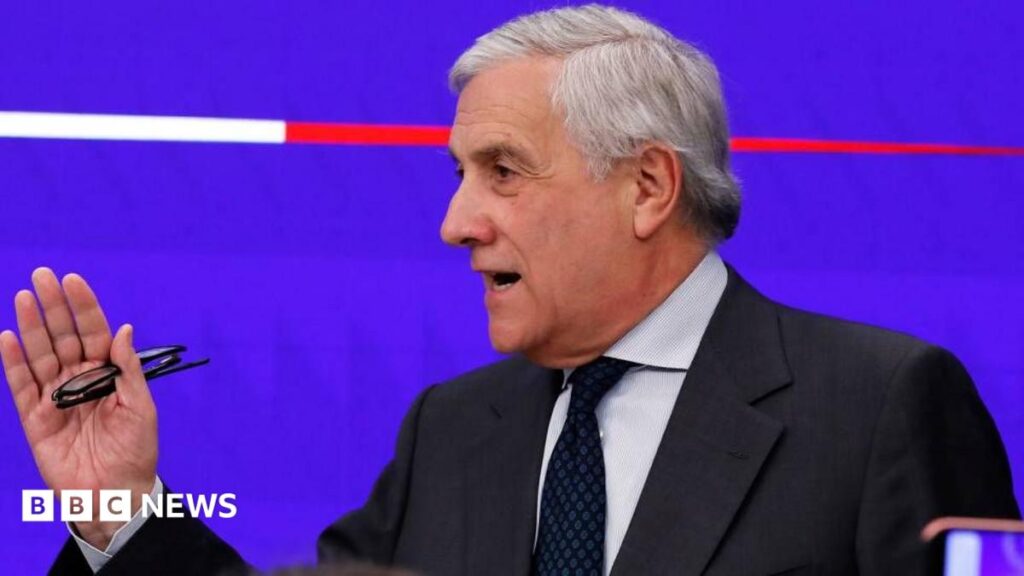
The data appeared on a site frequented by hacktivists on 3 November, prompting an emergency press conference where Tajani condemned the breach as “a direct attack on Italy’s democratic institutions.” He did not disclose the exact contents, but media outlets such as La Repubblica reported that the leak included his private calendar and a few personal photographs. The Prime Minister, Giorgia Meloni, immediately blamed “pro‑Russian hackers” for the publication, echoing earlier accusations against Moscow‑linked groups that targeted European officials.
Italian law‑enforcement agencies, together with the European Union Agency for Cybersecurity (ENISA), launched a joint investigation. According to a statement from the Italian Interior Ministry, forensic analysis points to a known Russian‑affiliated hacking collective that has previously targeted energy firms in Germany and election officials in France. The investigation remains ongoing, and Tajani has urged citizens to remain vigilant against online scams that often follow such leaks.
Why it matters beyond Italy
The incident underscores a broader shift in how geopolitical rivals weaponise personal data. Unlike traditional espionage that focuses on classified documents, leaking a minister’s private details can create a chilling effect on diplomatic negotiations, especially when the target is involved in sensitive talks on sanctions against Russia. Analysts at the European Council on Foreign Relations argue that the tactic aims to erode trust among allies and force policymakers to divert attention to personal security.
For European businesses, the leak raises concerns about supply‑chain security. Tajani’s portfolio includes negotiations on critical minerals—cobalt, lithium, and rare earths—many of which are sourced from African nations. Any disruption or mistrust in these talks could reverberate through the continent’s green‑energy transition, affecting everything from electric‑vehicle production to renewable‑energy projects that rely on African mining output.
The growing threat of pro‑Russian hackers to Africa and the diaspora
While the current story centres on Italy, the same hacking groups have a documented history of targeting African governments and diaspora platforms. In 2024, a Russian‑linked operation compromised the email servers of Kenya’s Ministry of Health, leaking patient data and prompting a regional alert from the African Union’s Cyber‑Security Committee. More recently, a phishing campaign aimed at Nigerian tech entrepreneurs in the United Kingdom was traced back to the same code signatures identified in the Tajani leak.
African tech hubs in Lagos, Nairobi, and Johannesburg have warned that the spill‑over effect of European cyber‑attacks can strain local cybersecurity resources. “When a high‑profile European minister is breached, the tools and tactics become public knowledge, making it easier for our own adversaries to copy them,” said Dr. Aisha Bello, a cyber‑security researcher at the University of Lagos. This reality pushes African governments to accelerate their own cyber‑defence strategies, a priority that often competes with limited budgets.
What comes next: policy responses and the hunt for accountability
In the short term, Italy plans to tighten authentication protocols for all senior officials, adopting multi‑factor solutions recommended by ENISA. The European Commission is also expected to propose a new “Personal Data Protection for Public Officials” directive, which would standardise security measures across member states. If the investigation confirms Russian involvement, diplomatic channels could see another round of sanctions, potentially expanding to include cyber‑crime penalties under the EU’s recent “Cyber‑Sanctions” framework.
For African stakeholders, the incident offers a cautionary tale. Regional bodies such as the African Union are likely to press for greater collaboration with European cyber‑security agencies, sharing threat intelligence and joint training exercises. Diaspora organisations, particularly those involved in political advocacy, are being urged to audit their digital hygiene and adopt encrypted communication tools. The Tajani leak, therefore, may become a catalyst for a more coordinated Afro‑European cyber‑defence posture in the coming years.
Quick Answers
Who did Italy say was behind the foreign minister’s data leak?
Prime Minister Giorgia Meloni blamed pro‑Russian hackers, a claim supported by early forensic reports linking the breach to a known Russian‑affiliated group.
How could the Tajani data leak affect African mining deals?
Tajani oversees EU talks on critical minerals sourced from Africa; a breach that undermines trust could delay agreements on cobalt, lithium and rare‑earth supplies vital for the green‑energy transition.
What steps is Italy taking to prevent future leaks?
The government is rolling out mandatory multi‑factor authentication for senior officials and working with ENISA on a EU‑wide directive to protect personal data of public servants.
Source: www.bbc.co.uk




💬 Comments 0