Italy bans burqa and niqab in schools, caps foreign students – impact on African learners 2026
Background: Italy’s tightening on religious symbols and immigration
Since the right‑wing coalition took power in 2022, Italy has pursued a series of measures aimed at curbing immigration and reinforcing a secular public sphere. The government argues that these steps are needed to protect national identity and ensure social cohesion, a narrative that has resonated with many voters anxious about rising migrant numbers.
In recent months, the Ministry of Education and the Interior Ministry have been coordinating a draft that would prohibit full‑face veils – the burqa and niqab – in all public schools, from primary to university level. At the same time, a separate clause would limit the proportion of foreign‑born students in any given classroom to 30 percent, a figure that mirrors earlier quota proposals for university admissions.
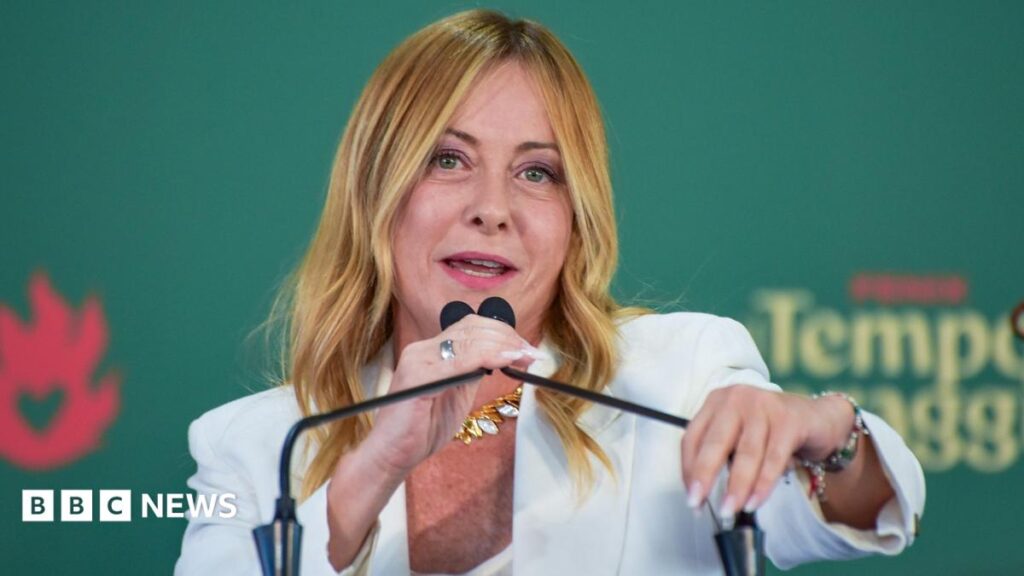
Prime Minister Giorgia Meloni framed the twin policies as “common‑sense tools that do not divide but really help to integrate,” a line that echoes the coalition’s broader rhetoric of integration through assimilation rather than multicultural accommodation.
What the measures actually say: bans, caps and enforcement
The school‑dress code amendment makes it a disciplinary offence for any pupil or staff member to wear a full‑face veil inside a state‑run classroom. Violations could result in a warning, a temporary suspension, or, in repeated cases, expulsion from the school. The rule applies to both public and publicly funded private schools, while religious schools retain a limited exemption for religious dress that does not cover the face.
The foreign‑student cap is calculated on a rolling basis: each class may not have more than 30 percent of learners whose primary citizenship is not Italian. Schools will be required to report enrollment figures each semester, and any breach could trigger a reduction in state funding or a mandatory re‑balancing of class composition.
Both provisions will be enforced by the Ministry of Education, which plans to issue detailed guidelines by the end of October 2026. Schools that fail to comply risk losing a portion of their operating budget, according to a draft decree released to the press.
Why it matters for African students and the diaspora
A significant share of Italy’s foreign‑born pupils come from African nations, especially Nigeria, Senegal, Ghana and Ethiopia. According to the 2025 Ministry of Education report, roughly 18 percent of secondary‑school students in Lombardy and Piedmont are of African origin, many of whom attend school wearing the niqab for cultural or religious reasons.
The ban directly targets a visible marker of Muslim identity, which is prevalent among Somali, Sudanese and Nigerian communities in Italy. For families that view the veil as an expression of faith, the rule could force a painful choice between education and religious practice, potentially driving some students out of the school system altogether.
The 30 percent foreign‑student ceiling also threatens to shrink the already limited slots available to African scholars. Many African families rely on Italy’s public universities for affordable higher education; a tighter quota could push them toward more expensive private institutions or force them to seek study opportunities elsewhere, deepening the brain‑drain that Italy has long feared.
Reactions: from protests in Rome to diaspora push‑back
Human‑rights NGOs, including Amnesty International Italy, condemned the dress‑code as a violation of religious freedom and an indirect form of discrimination. In a press conference on 22 September, Amnesty’s Italy director said the policy “targets a specific religious minority and sets a dangerous precedent for other faith‑based dress codes.”
Student unions staged a sit‑in at the Ministry of Education headquarters, chanting slogans in Arabic and Italian demanding “education without exclusion.” Meanwhile, several African community organisations, such as the Nigerian Association of Italy, issued a joint statement warning that the measures could “undermine the integration of African migrants and fuel social alienation.”
Internationally, the European Court of Human Rights has been monitoring similar cases, and legal scholars suggest the ban could be challenged before the court, as it was in France’s 2010 burqa ban case. However, Italy’s current government appears prepared to defend the law on the grounds of “public order,” a stance that aligns with other right‑leaning European states that have introduced comparable restrictions.
What could happen next: legal battles, policy tweaks and regional ripple effects
The first legal hurdle will likely be a series of injunctions filed by civil‑rights groups seeking to suspend the ban pending a full constitutional review. If a court suspends the rule, the government may have to rewrite the language to focus on “security” rather than “religious symbols,” a tactic used in Spain’s 2024 regional dress‑code reforms.
Beyond the courtroom, the education ministry may adjust the foreign‑student cap if data shows a sharp decline in African enrolments. Some policy analysts argue that a flexible quota – perhaps a sliding scale based on regional demographics – could appease both integration advocates and anti‑immigration hardliners.
Finally, the policy could inspire similar moves in neighboring countries. Italy’s coalition partners in the European People’s Party have already floated comparable proposals in Greece and Portugal, citing the same “integration” rhetoric. African diaspora networks are therefore watching Italy closely, as any precedent set here could shape the legal landscape for Muslim students across the continent.
Quick Answers
When will Italy’s burqa and niqab school ban take effect?
The ban is slated to become law in early October 2026, with schools required to enforce it by the start of the 2026‑27 academic year.
How many foreign‑born students can be in an Italian classroom under the new rule?
The cap limits foreign‑born pupils to no more than 30 percent of any given class.
Will the ban affect African students studying in Italy?
Yes; many African migrants wear the niqab for religious reasons, and the cap on foreign students could also reduce available spots for African learners.
Source: www.bbc.co.uk



💬 Comments 0