Polish Abbey Stabbing: Ukrainian Man Arrested After Priest Killed in Jarosław, 2026
Background
The Abbey of Saint Martin in Jarosław, a town in southeastern Poland, has been a spiritual hub for centuries, attracting pilgrims from across the region. The complex, which houses a small monastery and a chapel, is known for its serene setting and the annual pilgrimage that draws thousands of faithful each year. In recent years, the abbey has also become a symbol of interfaith dialogue, hosting discussions between Catholic clergy and representatives of other faiths in the multicultural landscape of Poland’s eastern border.
Jarosław itself sits on the Vistula River, near the Ukrainian border, and has historically been a crossroads of cultures and commerce. The town’s population of around 30,000 includes a significant number of Ukrainian refugees who arrived after the 2022 escalation of the conflict in Ukraine. This demographic shift has added new layers to the town’s social fabric, creating both opportunities for cultural exchange and challenges in local integration.
The abbey’s peaceful reputation was shattered when the knife attack unfolded on a quiet Sunday morning, a time traditionally reserved for quiet prayer and community gatherings. The incident has raised questions about the safety of religious sites in an era of heightened security concerns across Europe. As the community mourns, the event also forces a reckoning with how societies manage the influx of displaced populations and the potential for violence that can arise when tensions flare.
The Attack
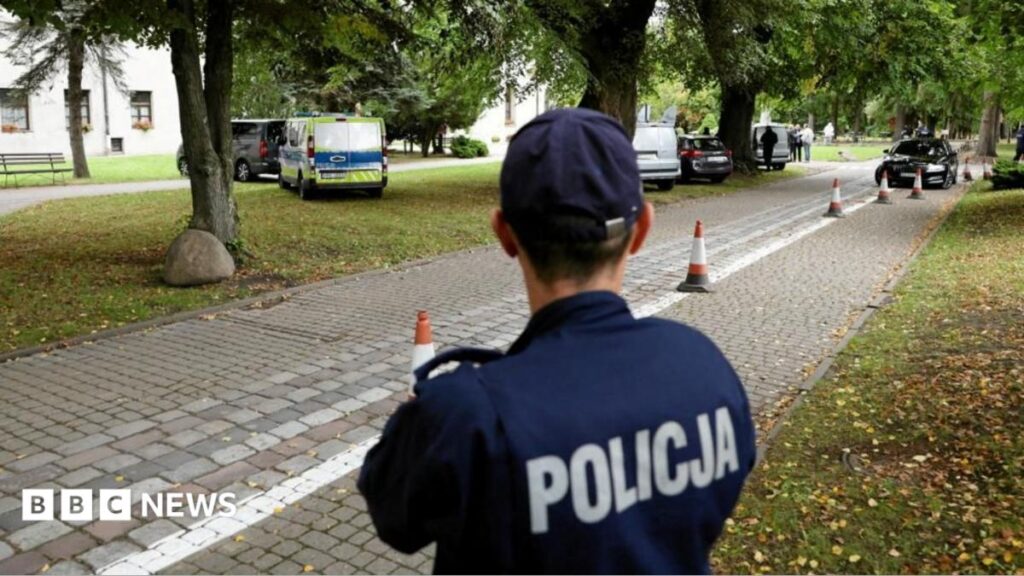
According to the Jarosław Police Department, the attack began at 9:15 a.m. when a man entered the abbey’s main hall, brandishing a kitchen knife. The assailant, identified as a 32‑year‑old Ukrainian national, struck Father Michał Nowak, the abbey’s resident priest, multiple times before fleeing the scene. Father Nowak died at the scene, while four other individuals—two lay visitors and two monks—suffered serious injuries and were transported to the nearest hospital.
The suspect was apprehended within hours in a neighboring town, reportedly after a coordinated effort between local police and the Border Guard. He was taken into custody on charges of murder and attempted murder. The investigation revealed that the attacker had been seen in the area earlier that day, carrying a large bag that police say contained a knife and other potential weapons. No clear motive has been publicly disclosed, though investigators are exploring links to possible extremist affiliations or personal grievances.
Witnesses described the scene as chaotic, with the abbey’s bell ringing as people shouted for help. Security footage from the abbey’s surveillance system captured the suspect’s approach and the moment he struck Father Nowak. The footage is currently under review by forensic analysts who aim to confirm the suspect’s identity and reconstruct the sequence of events leading up to the attack.
Why It Matters
The murder of a priest in a place of worship is a stark reminder that religious communities are not immune to the broader wave of violent extremism sweeping across Europe. Since 2015, the European Union has recorded more than 200 incidents of knife attacks on religious sites, a trend that has spurred debates over the adequacy of security protocols in churches, mosques, and synagogues.
In the context of Poland’s ongoing tensions with Ukraine, the incident also fuels anxieties about the integration of Ukrainian refugees. While the Polish government has expressed a commitment to supporting displaced persons, incidents like this risk eroding public trust and potentially stoking xenophobic sentiment. The European Union has urged member states to balance security concerns with the protection of human rights and to ensure that counter‑terrorism measures do not stigmatize entire communities.
Moreover, the attack underscores the vulnerability of religious institutions to targeted violence, raising questions about how such sites can safeguard their congregants without compromising their open, welcoming ethos. The incident could prompt a reassessment of security measures, including the installation of metal detectors, the deployment of trained security personnel, and the development of emergency response protocols that respect the sanctity of worship spaces.
Reactions
The Polish Ministry of Culture and National Heritage released a statement condemning the violence and pledging full support to the abbey’s community. The statement called for a thorough investigation and highlighted the need to protect places of worship across the country. The Pope’s nuncio to Poland, Bishop Paul, visited the abbey the following day to offer prayers and comfort to the grieving families.
Local Ukrainian community leaders expressed shock and denounced the attacker’s actions, emphasizing that the crime was an aberration and not representative of the Ukrainian diaspora. A spokesperson for the Ukrainian Embassy in Warsaw said, "We stand with the people of Jarosław and condemn any act of violence that targets innocent civilians." The embassy also offered to assist in the investigation and to support the families of the victims.
Security officials from the European Union’s Counter‑Radicalisation Centre (ECRC) announced that they would conduct a joint review of the incident to determine if it fits into the broader pattern of radicalised violence. The ECRC has previously highlighted the importance of cross‑border cooperation in preventing similar attacks, especially in regions with significant refugee populations.
What’s Next
The suspect faces a preliminary hearing scheduled for October 15, where prosecutors will present evidence and the defense will have an opportunity to respond. The trial is expected to be closely monitored by both Polish and Ukrainian media, given the potential implications for bilateral relations. The court will also consider whether the suspect’s background and any affiliations point to a broader extremist network.
In response to the incident, the Ministry of Interior is reviewing its guidelines for security at religious sites. An advisory panel comprising clergy, security experts, and civil society representatives has been convened to draft recommendations, which may include mandatory security training for religious leaders and the installation of surveillance systems in key locations. The panel is expected to present its findings by the end of the year.
On the community level, the abbey has launched a support fund for the families of the victims, with contributions from local businesses, religious institutions, and international donors. The fund aims to provide financial assistance for medical expenses, funeral costs, and ongoing counseling services. The abbey’s leadership has also called for a city‑wide memorial service to honor Father Nowak and to reaffirm the town’s commitment to peace and interfaith solidarity.
Quick Answers
Who was the victim in the Jarosław abbey attack?
The victim was Father Michał Nowak, the resident priest of the Abbey of Saint Martin in Jarosław, who died at the scene.
Where did the knife attack take place?
The attack occurred at the Abbey of Saint Martin in the town of Jarosław, southeastern Poland, on a Sunday morning in 2026.
What actions are being taken to improve security at religious sites in Poland?
Polish authorities are reviewing security guidelines for religious sites, convening an advisory panel to recommend measures such as enhanced surveillance, security training for clergy, and emergency response protocols, with findings expected by year‑end.
Source: www.bbc.co.uk




💬 Comments 0