Jared Kushner and Steve Witkoff Meet Putin at Kremlin on Ukraine War – Africa Impact 2026
Background: Back‑channel diplomacy and the envoys
Since the start of Russia’s full‑scale invasion of Ukraine in February 2022, Washington has largely relied on formal diplomatic channels, sanctions and military aid to Kyiv. Behind the scenes, however, presidents and senior officials have occasionally turned to private intermediaries to open a dialogue that official channels cannot sustain.
Steve Witkoff, a New York real‑estate billionaire, and Jared Kushner, former senior adviser to former President Donald Trump, were recruited by the State Department in early 2026 as informal envoys. Their business ties to Russia and the Middle East, as well as Kushner’s prior experience negotiating with Russian officials, made them attractive for a discreet outreach that could test Moscow’s willingness to negotiate without the pressure of a public summit.
The Kremlin meeting: What was on the table
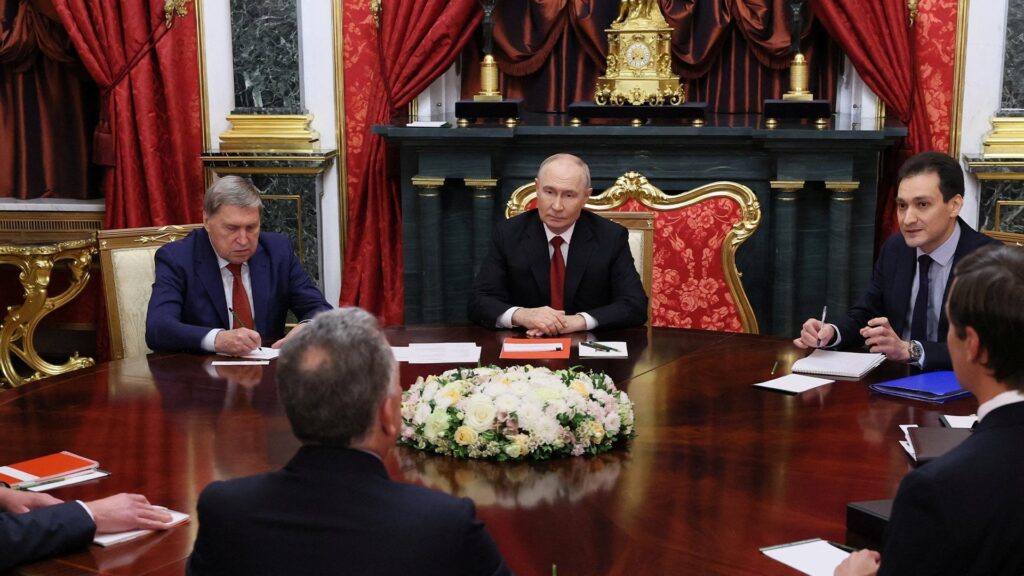
On Saturday, the two envoys were granted a private audience with President Vladimir Putin at the Kremlin. According to a senior U.S. official who spoke on condition of anonymity, the conversation focused on three core issues: a possible cease‑fire corridor in eastern Ukraine, the release of remaining Western prisoners, and a framework for a phased lifting of sanctions tied to concrete verification steps.
Putin, who has repeatedly rejected Western peace proposals that do not acknowledge Russia’s “security concerns,” reportedly signaled a willingness to discuss a limited cease‑fire if Kyiv agreed to halt its counter‑offensive in the Donbas. The envoys left the meeting without a formal agreement, but both sides said they had “opened a line of communication that could be built upon.”
Why African readers should care: Russia’s growing footprint on the continent
Russia’s military and economic presence in Africa has expanded dramatically since 2020, with bases in the Central African Republic, Sudan, Mali and Mozambique. The Kremlin leverages arms sales, mining contracts and political support to cement alliances, while Western sanctions on Russian oil and diamonds have ripple effects on African commodity markets.
If the United States secures even a limited de‑escalation in Ukraine, it could free up diplomatic bandwidth and resources that have been tied up in the European theater. Analysts at the African Development Bank note that a reduction in sanctions pressure on Russian energy could lower global oil prices, benefitting oil‑importing nations such as Nigeria and Kenya, while also affecting the revenue streams of African countries that export minerals to Russia.
Conversely, a perceived U.S. concession to Moscow might embolden African regimes that rely on Russian security assistance. In Mali, where French troops withdrew in 2022, the government has deepened its ties to Moscow; a shift in Washington’s stance could influence how African leaders balance relationships with the West and with Russia.
Reactions across the Atlantic and in Africa
Inside the Pentagon, senior officials expressed cautious optimism, saying the meeting “shows the value of having multiple diplomatic tracks,” according to a senior defense aide. By contrast, members of the U.S. Congress, particularly on the House Foreign Affairs Committee, warned that any back‑channel that appears to reward Russia without clear safeguards could undermine bipartisan support for Ukraine aid.
African diplomatic circles responded with a mix of hope and skepticism. South Africa’s Department of International Relations released a statement noting that “regional stability is linked to the resolution of the Ukraine conflict,” and called for “inclusive talks that consider the security concerns of all parties.” Meanwhile, a Lagos‑based think‑tank argued that African states should leverage the dialogue to press for the removal of sanctions that also impact African businesses dealing with Russian partners.
The diaspora community, especially Ukrainian and Russian expatriates in the United Kingdom and the United States, posted mixed reactions on social media. Some praised the attempt at a pragmatic solution, while others feared that a rushed cease‑fire could legitimize Russia’s annexation of Ukrainian territories.
What could happen next: Scenarios for the Ukraine talks and African interests
If the informal talks evolve into a formal negotiation track, the United States may push for a phased sanctions relief that is contingent on verifiable steps from Moscow, such as the withdrawal of forces from occupied regions. Such a framework could stabilize global energy markets, lowering fuel costs for African commuters and reducing the fiscal strain on governments that subsidise transport.
A less optimistic scenario sees the Kremlin using the meeting as a propaganda tool, claiming it has forced the West to the negotiating table without making substantive concessions. In that case, African countries that have been courting Russian military hardware—like Mali’s acquisition of air‑defence systems—might double down on those contracts, complicating U.S. efforts to counter Russian influence on the continent.
Regardless of the outcome, the episode underscores a growing trend: the United States increasingly relies on private citizens with business ties to conduct sensitive diplomacy. For African policymakers, the lesson is clear—engagement with both Western and Russian actors will continue to be a balancing act, and any shift in the Ukraine conflict will reverberate through trade, security cooperation and the geopolitical calculus of the continent.
Quick Answers
Who are Steve Witkoff and Jared Kushner in the context of the US‑Russia talks?
Witkoff is a New York real‑estate billionaire, and Kushner is a former senior adviser to Donald Trump; both were appointed as informal envoys to open a back‑channel with Putin.
How could a cease‑fire in Ukraine affect African economies?
A cease‑fire could ease sanctions on Russian oil, lowering global oil prices and reducing import costs for oil‑dependent African nations.
What does the meeting mean for Russia’s role in Africa?
If the US secures concessions from Moscow, African states may see a shift in how Washington engages with Russian partners, potentially influencing arms deals and mining contracts on the continent.
Source: www.aljazeera.com




💬 Comments 0