João Cancelo signs for Barcelona on free transfer in 2026 – what it means for the club, Saudi league and African football fans
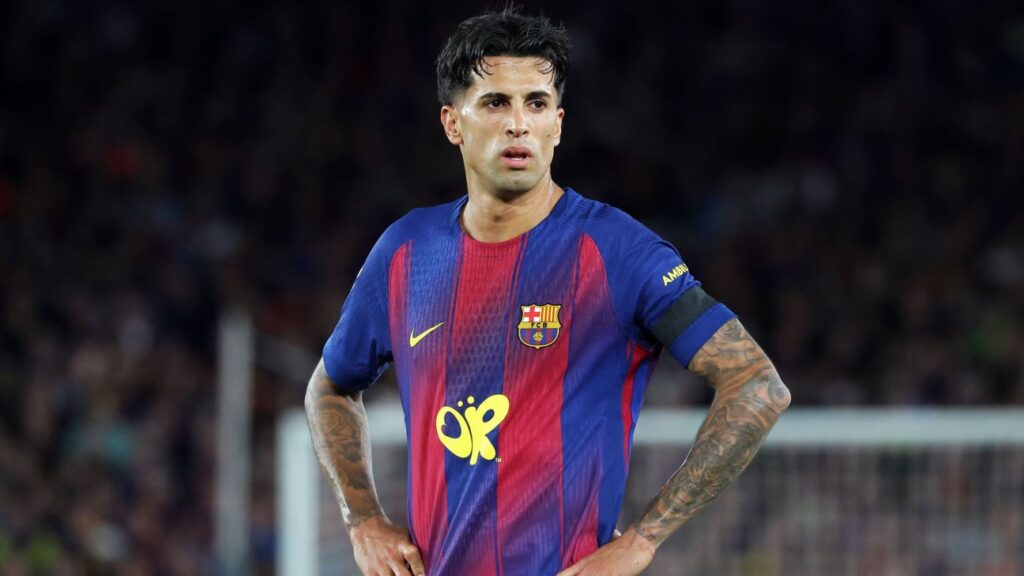
Background – a peripatetic career that lands back in Catalonia
Portugal’s João Cancelo has become one of the most itinerant full‑backs of his generation, featuring for top clubs in England, Italy and Spain before heading to the Middle East. After a two‑year spell with Al Hilal, where he won the Saudi Pro League and added a continental title, the 30‑year‑old terminated his contract by mutual consent in June 2026. His exit coincided with Barcelona’s desperate need for a versatile right‑back who can also slot in on the left, a need highlighted by injuries to Alejandro Balde and the aging of veteran Sergi Roberto.
Cancelo’s reputation rests on his technical flair, ability to drive forward, and defensive acumen – attributes that made him a regular for Manchester City under Pep Guardiola. While his time in Saudi Arabia was lucrative, it also kept him out of the European spotlight, a factor that likely motivated his return to the continent. The free‑transfer route means Barcelona avoided a transfer fee, a crucial advantage given the club’s ongoing financial fair‑play (FFP) constraints.
The move also reflects a broader pattern of European clubs reclaiming players after short stints in the Gulf. In the past three years, several high‑profile names – including Karim Benzema, Riyad Mahrez and James Rodríguez – have either left Saudi clubs on free deals or returned on loan, signalling that the Saudi league’s financial pull may be waning as players prioritize competitive football and visibility for national team selection.
The deal – contract length, salary and squad fit
Barcelona announced a four‑year contract for Cancelo, reportedly worth €6 million per year after taxes, a figure modest compared to his Saudi earnings but aligned with the club’s wage structure. The agreement includes performance‑related bonuses tied to appearances, clean sheets and Champions League progression, according to sources close to the negotiation.
From a tactical standpoint, Cancelo offers Barcelona a rare blend of defensive solidity and attacking dynamism. His comfort on both flanks allows Xavi Hernández to rotate the back line without sacrificing width, a flexibility that could prove decisive in a congested La Liga schedule and a demanding Champions League group. Moreover, his experience in high‑pressure environments – from the Premier League to the AFC Champions League – adds a veteran presence to a relatively young defensive cohort.
Financially, the free transfer eases the immediate cash‑outflow, but the salary commitment still represents a sizable portion of the club’s wage bill. Barcelona will need to balance this outlay with revenue from merchandise, broadcasting rights and a projected increase in ticket sales driven by the excitement surrounding a new marquee signing.
Why it matters for European clubs and the Saudi league
Cancelo’s return underscores a growing realization among European clubs that the Saudi league, while cash‑rich, may not be a long‑term destination for elite talent. Players often view Gulf contracts as short‑term financial boosts before re‑entering the European market to maintain competitive relevance. For clubs like Barcelona, the availability of a player of Cancelo’s caliber on a free deal is a strategic windfall that would have been impossible a few seasons ago when Saudi clubs demanded transfer fees to release their stars.
The trend also pressures Saudi clubs to rethink their talent‑retention models. Al Hilal, for instance, invested heavily in European‑trained players to raise the league’s profile, yet the loss of Cancelo without compensation could prompt a shift toward longer‑term contracts, higher wages, or a greater emphasis on developing home‑grown talent. Analysts at *Goal Africa* note that the Saudi league’s reliance on short‑term imports may limit its ability to build a sustainable competitive identity.
From a macro‑economic perspective, the free‑transfer wave could affect the global transfer market’s pricing dynamics. When high‑profile players become available without fees, buying clubs can redirect resources toward wages or future scouting, potentially inflating salary expectations across Europe. This recalibration may benefit clubs with tighter budgets, such as many African teams, which could negotiate more favorable loan deals for emerging talents.
African angle – diaspora fans, market impact and talent pathways
Barcelona’s brand resonates strongly across the African continent, especially in Nigeria, Ghana, and the Francophone West African nations where the club enjoys a massive fan base. The signing of a high‑profile European full‑back like Cancelo is likely to spark a surge in jersey sales, digital subscriptions, and social‑media engagement from African supporters. According to a 2025 report by *Statista*, Sub‑Saharan Africa accounted for 12 % of Barcelona’s global merchandise revenue, a figure that could rise with each new marquee acquisition.
Beyond consumer behaviour, Cancelo’s move highlights a pathway that many African players are watching closely. Several West African right‑backs – such as Nigeria’s Samuel Chukwueze (who briefly trained as a winger) and Ghana’s Joseph Aidoo – have expressed interest in following a similar route: leveraging a stint in the Gulf to secure a lucrative contract, then using the experience as a springboard back to Europe. The free‑transfer model demonstrates that a successful return is feasible without a massive transfer fee, which could encourage agents to negotiate short‑term Middle‑East deals for African prospects.
Diaspora communities in Europe and North America also stand to benefit. The Portuguese diaspora, already sizable in cities like London and Toronto, often follows Portuguese players’ careers with fervor. Cancelo’s Barcelona debut will likely become a focal point for community gatherings, streaming parties, and local business promotions, reinforcing cultural ties and providing economic opportunities for small enterprises that cater to football fans.
What’s next – Barcelona’s season outlook and broader implications
In the short term, Cancelo’s arrival could help Barcelona solidify a defensive line that has been criticised for inconsistency. Early preseason reports suggest he has integrated quickly, impressing both Xavi and the defensive coaching staff with his work‑rate and positional sense. If he stays injury‑free, Barcelona could see an immediate improvement in their goal‑conceding record, a factor that may prove decisive in a tightly contested La Liga race against Real Madrid and Atletico Madrid.
Longer‑term, the transfer could signal a shift in Barcelona’s recruitment philosophy: prioritising experienced, adaptable players on free or low‑cost deals rather than splurging on unproven youth or high‑fee signings. This approach aligns with the club’s recent emphasis on financial stability and could become a template for other financially constrained European giants.
For African football stakeholders, Cancelo’s case offers a cautionary yet hopeful narrative. It illustrates that while the Gulf league can provide short‑term wealth, maintaining competitive relevance often requires a return to Europe’s elite competitions. National federations and academies may need to advise promising talents on contract timing and career planning, ensuring that a lucrative Middle‑East spell does not become a career dead‑end.
Quick Answers
How long is João Cancelo's contract with Barcelona?
He signed a four‑year deal that runs until the summer of 2030.
Did Barcelona pay a transfer fee for Cancelo?
No, Cancelo joined on a free transfer after terminating his contract with Al Hilal.
What impact could Cancelo's signing have on African football fans?
The move is expected to boost Barcelona merchandise sales in Africa, increase streaming viewership among diaspora communities, and highlight a career route that African players may emulate.
Source: www.espn.com




💬 Comments 0